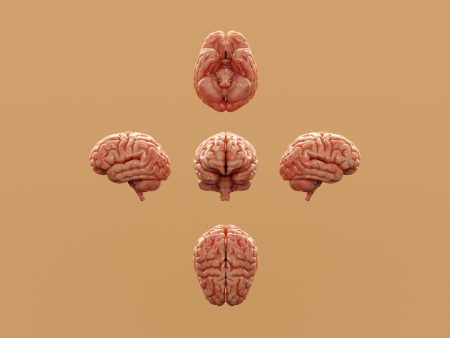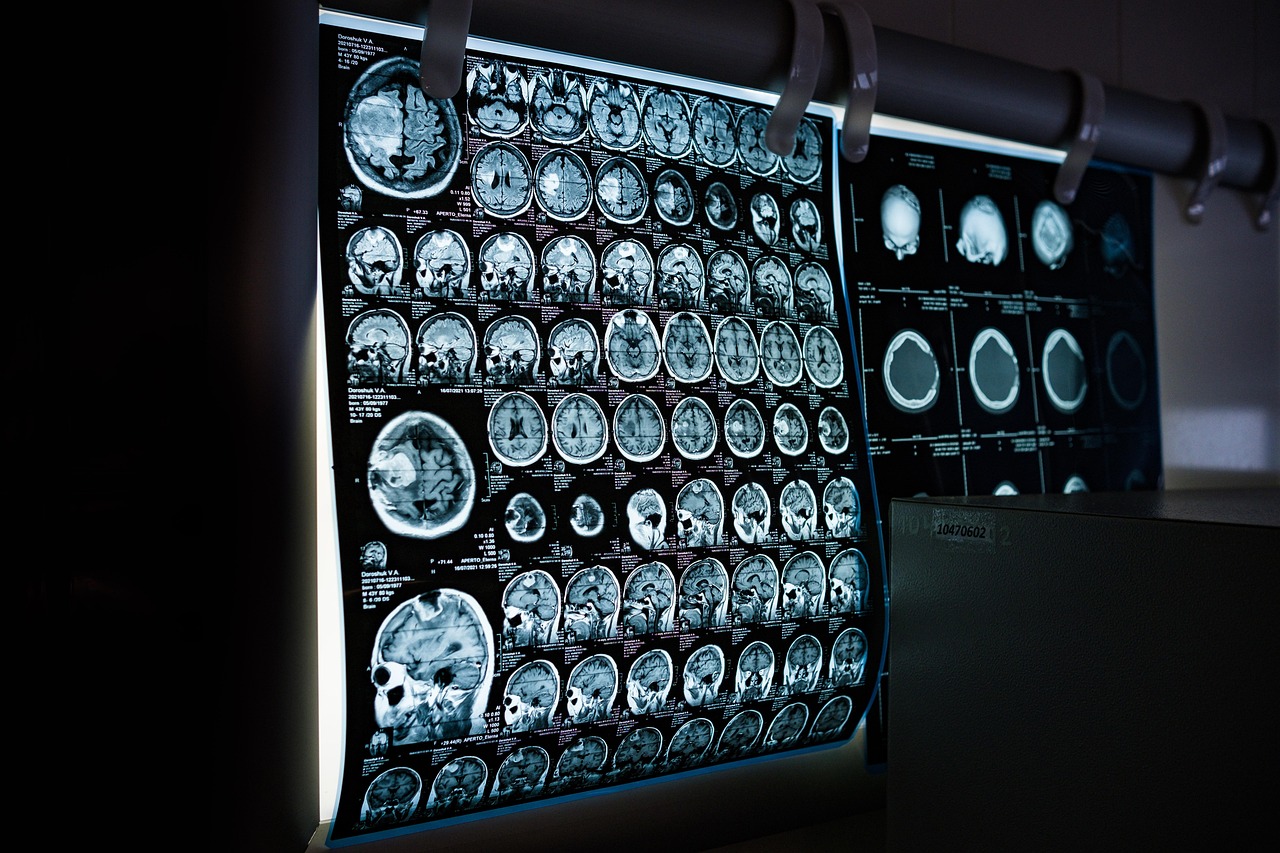
New research offers hope for individuals with spinal cord injuries, suggesting that brain waves could help paralyzed patients move again by detecting their intent to move. Scientists are exploring non-invasive electroencephalography (EEG) to capture these signals, even when the body cannot respond, potentially bridging the communication gap between brain and limb. This breakthrough could pave the way for restoring lost movement without complex surgical implants.
For many suffering from paralysis due to spinal cord damage, the brain continues to send appropriate movement signals, but these are blocked before reaching the limbs. This disconnect has driven years of research into innovative solutions that bypass the damaged spinal cord. The challenge lies in accurately reading these subtle neural commands and translating them into actionable instructions for the body.
A recent study, highlighted on ScienceDaily in January 2026, details efforts by researchers from Italy and Switzerland to develop a system that could achieve this. Their work focuses on a less invasive approach than previously explored methods, leveraging advancements in signal processing and artificial intelligence to decode the brain’s silent commands.
Decoding the brain’s silent commands with EEG
Traditionally, restoring movement through brain signals has often involved surgically implanted electrodes, which carry inherent risks like infection. However, the team behind this new research, as noted by author Laura Toni, sought to explore a safer, non-invasive alternative using EEG systems. These systems, worn as caps, record brain activity from the scalp, significantly reducing the medical complications associated with invasive procedures, as explained by the Mayo Clinic. The goal is to capture the electrical activity produced when a person attempts to move a paralyzed limb and then reroute these signals to spinal cord stimulators.
While promising, using EEG to decode intricate movement signals presents its own set of challenges. EEG electrodes are on the surface, making it difficult to detect signals originating deeper within the brain, such as those controlling leg and foot movements. “The brain controls lower limb movements mainly in the central area, while upper limb movements are more on the outside,” Toni explained. This spatial mapping difference means that decoding arm and hand movements is currently more feasible than those of the lower limbs, highlighting an area for further refinement in spinal cord injury research.
Machine learning bridges the gap for movement restoration
To overcome the inherent limitations of surface-level EEG data, the researchers employed a sophisticated machine learning algorithm. This algorithm was specifically designed to process small and complex datasets, enabling it to interpret the subtle patterns within the recorded brain activity. During trials, patients wore EEG caps and attempted various simple movements, allowing the team to collect data and train the algorithm, a process often seen in brain-computer interface development. The system successfully distinguished between periods when patients were attempting to move and when they were at rest.
However, distinguishing between different types of movement attempts, such as trying to stand versus trying to walk, remains a significant hurdle. The current system can detect the intention to move but lacks the granularity for finer control. Future improvements aim to refine this algorithm to recognize specific actions, a crucial step toward enabling meaningful movement. This non-invasive brain-computer interface could eventually activate implanted stimulators, offering a pathway for spinal cord injury patients to regain functional control, leveraging the power of machine learning in healthcare.
The prospect of using brain waves to help paralyzed patients move again through non-invasive EEG technology marks a significant step forward in neurorehabilitation. While challenges persist in achieving fine motor control and distinguishing specific movement types, the integration of machine learning offers a powerful tool for interpreting complex neural data. Continued research and refinement of these algorithms and systems hold the potential to transform the lives of millions, translating the silent intentions of the brain into tangible actions and restoring independence.