When facing brain sleep deprivation, your mind initiates a surprising self-maintenance protocol. A recent study from MIT, highlighted by ScienceDaily.com on January 20, 2026, reveals that during moments of exhaustion, the brain may briefly prioritize internal cleanup, flushing waste with cerebrospinal fluid (CSF), a process typically reserved for deep sleep. This compensatory action, however, comes at the direct cost of momentary mental shutdowns and sharp declines in attention.
Almost everyone has experienced the struggle of maintaining focus after a restless night. Thoughts scatter, reaction times slow, and the once-clear mental landscape becomes foggy. This isn’t merely a feeling of tiredness; it’s a measurable physiological shift within the brain, impacting our ability to perform critical tasks and remain alert.
The new research offers a compelling explanation for these common experiences, suggesting that the brain isn’t just struggling to stay awake, but actively attempting to repair itself. This involuntary ‘cleanup mode’ during waking hours signifies a profound adaptive mechanism, albeit one with immediate cognitive consequences for daily functioning and safety.
How sleep deprivation triggers brain’s internal flush
Sleep is fundamentally crucial for survival, yet its full purpose remains a subject of ongoing scientific inquiry. One well-established function involves the rhythmic movement of cerebrospinal fluid (CSF) which bathes the brain. This fluid is vital for clearing metabolic waste products that accumulate throughout our waking hours, ensuring optimal neural health and preventing the buildup of potentially harmful substances associated with neurodegenerative diseases.
Dr. Laura Lewis, an Athinoula A. Martinos Associate Professor at MIT and senior author of the study published in Nature Neuroscience, explained the findings. “If you don’t sleep, the CSF waves start to intrude into wakefulness where normally you wouldn’t see them. However, they come with an attentional tradeoff, where attention fails during the moments that you have this wave of fluid flow.” This indicates a direct link between the physical act of waste removal and a temporary suspension of focus.
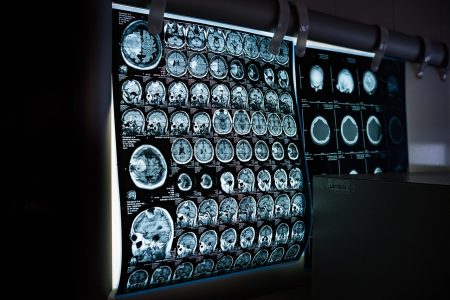
To observe this phenomenon, researchers recruited 26 volunteers and subjected them to two testing conditions: one after a night of total sleep deprivation and another after adequate rest. Using a combination of electroencephalography (EEG) and specialized functional magnetic resonance imaging (fMRI), the team meticulously tracked brain activity, blood oxygen levels, and, critically, the movement of CSF.
Participants engaged in standard visual and auditory attention tasks. As expected, performance significantly deteriorated when sleep-deprived. During these attention lapses, the fMRI data distinctly showed CSF moving outward from the brain, only to flow back in as attention recovered. This pattern provides compelling evidence of the brain’s attempt to compensate for missed sleep by initiating its cleansing cycle, even at inconvenient times.
The cognitive cost of involuntary brain maintenance
The implications of these findings extend beyond understanding why we feel groggy. The study highlights a direct, physiological mechanism behind cognitive impairment due to brain sleep deprivation. This isn’t simply a matter of feeling tired; it’s a moment-by-moment trade-off where critical cognitive functions are temporarily suspended for the sake of neural hygiene. This has significant ramifications for tasks requiring sustained vigilance, such as driving, operating machinery, or performing complex analytical work.
Public health campaigns often emphasize the importance of sleep for overall well-being. This research further solidifies those recommendations by demonstrating a tangible, real-time consequence of insufficient rest. Organizations like the Centers for Disease Control and Prevention (CDC) consistently link chronic sleep deficiency to increased risks of accidents, chronic health conditions, and reduced productivity.
Understanding this brain mechanism could also pave the way for new strategies to mitigate the effects of sleep loss, or at least better predict moments of critical attention failure. While the body’s compensatory cleansing is essential, its timing during wakefulness presents a clear challenge. Future research might explore ways to support this cleanup without compromising vital cognitive functions, especially in professions where sleep deprivation is unavoidable.
The brain’s ability to initiate a cleanup cycle during wakefulness when sleep-deprived is both a testament to its adaptive capacity and a stark warning about the necessity of adequate rest. These attention lapses are not mere distractions but physiological shutdowns, emphasizing that sleep is not a luxury but a fundamental biological imperative for maintaining cognitive integrity. Prioritizing consistent, quality sleep is paramount for optimal brain function and overall safety in a demanding world.