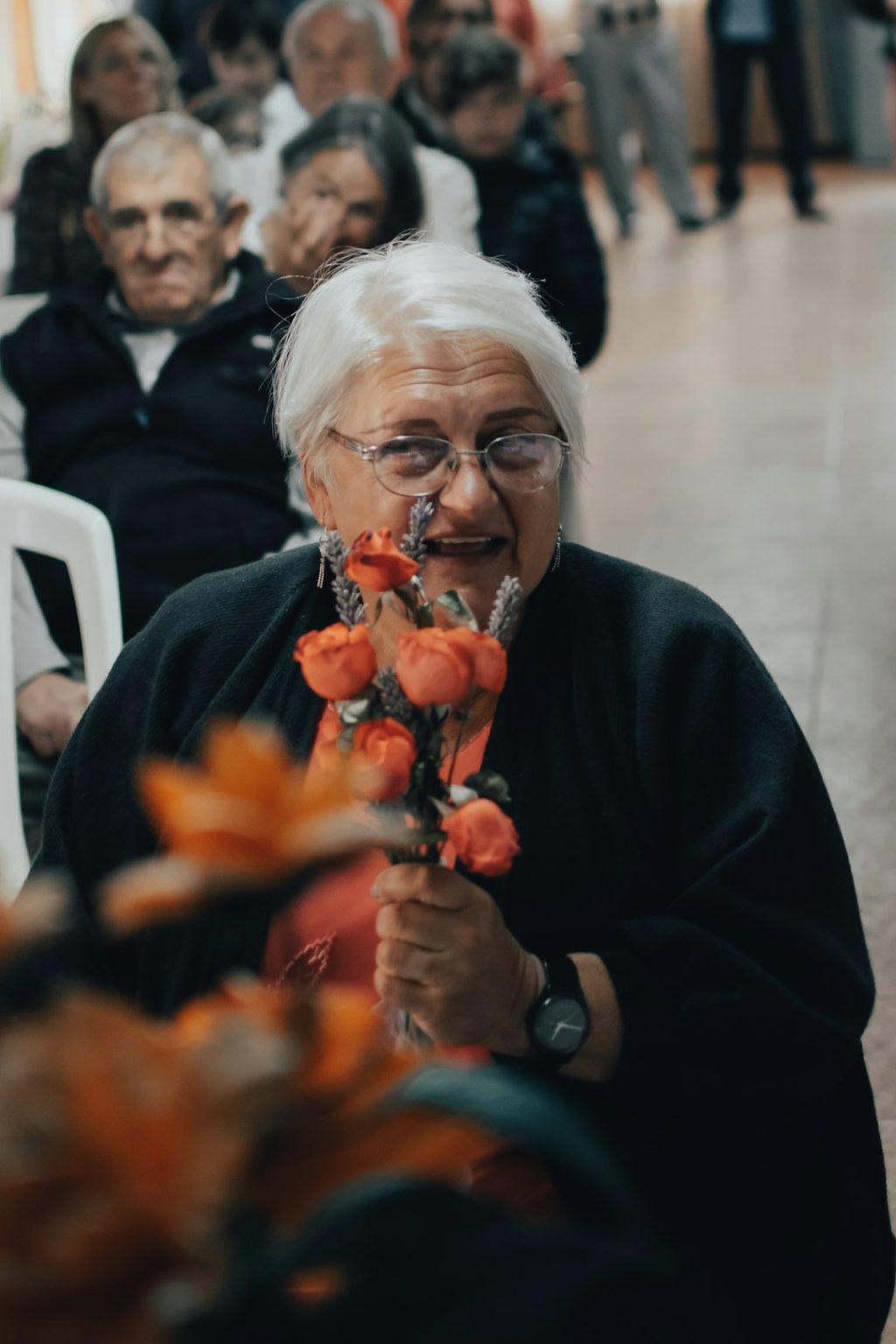
Scientists are intensely studying an extraordinary group of Brazilians living past 110 years, seeking to unravel the biological secrets behind their extreme longevity. This research, highlighted in a recent ScienceDaily report, points to Brazil’s unique genetic diversity and robust immune systems as potential keys to understanding aging not as decline, but as resilience. Researchers from the University of São Paulo are leading efforts to identify protective genetic variants.
Brazil stands out as a critical, yet historically underutilized, resource for studying exceptional human longevity. Its rich population history, shaped by centuries of migration from Portugal, Africa, Europe, and Japan, has created unparalleled genetic diversity. This genetic mosaic may harbor unique protective variants that are absent from standard global genomic datasets, offering a fresh perspective on why a select few defy conventional aging patterns.
The ongoing work by Dr. Mayana Zatz and her team at the Human Genome and Stem Cell Research Center at the University of São Paulo is bringing these insights to the forefront. Their longitudinal study of centenarians, including over 20 validated Brazilian supercentenarians, is revealing how powerful immune defenses and robust cellular maintenance contribute to living well beyond a century. These individuals often maintain mental sharpness and survive serious infections, challenging previous notions of inevitable decline.
Unraveling Brazil’s unique genetic blueprint
The genetic makeup of Brazilian supercentenarians presents a fascinating puzzle. Mateus Vidigal de Castro, a researcher at the Human Genome and Stem Cell Research Center, emphasizes that conventional genomic databases often lack the diversity found in admixed populations like Brazil. This gap is significant in longevity research, where unique protective variants might be overlooked. Early genomic studies involving over a thousand older Brazilians have already uncovered millions of previously unknown genetic variants, including those linked to immune strength and cellular repair, as detailed in a Viewpoint published in Genomic Psychiatry.
One study, for instance, identified more than 8 million undescribed genetic variants across the Brazilian population, with over 36,000 potentially harmful. Yet, a subset of these individuals not only survive but thrive into their second century. This suggests that other, perhaps more common, protective genes or gene combinations are at play, offering resilience against age-related diseases. Understanding these intricate interactions could redefine our approach to combating aging globally.
A cohort defying conventional wisdom
The research team has meticulously built a rare and valuable cohort, comprising over 160 centenarians and 20 validated Brazilian supercentenarians from diverse regions. This group includes remarkable individuals like Sister Inah, who was recognized as the world’s oldest living person until her passing at 116 in April 2025. What makes this cohort particularly compelling is not just their advanced age but their life circumstances. Many spent most of their lives in underserved areas with limited access to modern healthcare.
This lack of medical intervention allows scientists to study a form of biological resilience that developed organically, independent of advanced pharmaceuticals or treatments. Furthermore, the study includes families exhibiting extraordinary inherited longevity. One 110-year-old woman, for example, has nieces aged 100, 104, and 106, a pattern consistent with findings that siblings of centenarians are significantly more likely to reach extreme old age. Such familial clusters provide a unique window into separating genetic influences from environmental factors in extreme longevity.
The ongoing research into Brazilian supercentenarians is poised to fundamentally shift our understanding of human aging. By tapping into a population rich in genetic diversity and biological resilience, scientists are uncovering not just the secrets to living longer, but to living healthier for longer. Future studies will likely delve deeper into the specific genetic pathways and immune mechanisms identified, potentially paving the way for novel interventions that promote healthy aging worldwide, moving beyond the traditional focus on disease management towards enhancing inherent human resilience.