CES 2026 begins this week in Las Vegas, gathering global tech leaders to unveil groundbreaking advancements in artificial intelligence, robotics, and various other sectors. The annual event, organized by the Consumer Technology Association (CTA), highlights solutions poised to redefine daily life and industry practices. This year’s showcase emphasizes the pervasive integration of AI across nearly every innovation, signaling a pivotal moment for consumer technology.
With an anticipated attendance similar to last year’s 141,000 visitors from over 150 countries, CES 2026 features more than 3,500 exhibitors. Industry heavyweights like Jensen Huang of Nvidia and AMD CEO Lisa Su are set to deliver keynotes, sharing their visions for future AI solutions, underscoring AI’s central role. The event traditionally serves as a barometer for upcoming tech trends, offering a glimpse into products and services expected to hit the market in the coming year.
The convergence of diverse technological fields at CES 2026 illustrates a collective push towards more intelligent, connected, and autonomous systems. From smart home devices to advanced mobility solutions, the underlying theme remains how AI can enhance functionality, personalization, and efficiency. This broad application reflects the industry’s sustained investment in artificial intelligence, moving beyond theoretical concepts to practical, consumer-ready applications.
Artificial intelligence reshaping industries
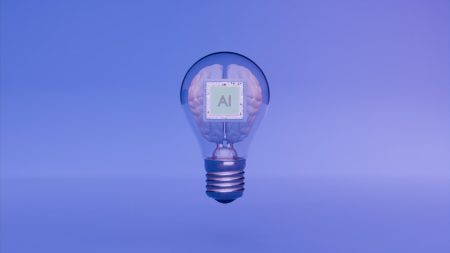
Artificial intelligence stands as the anchor technology at CES 2026, permeating every facet of innovation, from healthcare to entertainment. In health, AI is tackling critical issues, such as Beyond Medicine’s prescription app for jaw disorders and efforts to address data shortages in areas like breast milk production. These targeted applications demonstrate AI’s potential to personalize treatment and fill crucial knowledge gaps, as reported by Fast Company. The broader economic impact of these AI advancements is detailed in recent market analyses, highlighting significant growth across sectors.
The creative industries are also experiencing a profound shift, with AI emerging as a powerful tool for content creators. Instead of replacing human ingenuity, AI is fostering a hybrid approach, enabling artists and developers to craft variations on themes and monetize their work to broader audiences. This collaborative model suggests a future where AI augments human creativity, pushing the boundaries of what’s possible in digital content and media production.
Gary Shapiro, CTA Executive Chair and CEO, highlights AI’s capacity to “perform miracles” and solve fundamental human problems in areas like food production, clean air, clean water, and healthcare. He dismisses concerns about an “AI bubble,” noting that unlike the dot-com era, current AI companies often have significant revenues and robust investment, as noted in the Fast Company article.
Shapiro’s primary concern, however, lies in securing enough energy to process the immense computational demands of advanced AI systems. This challenge points to a critical infrastructure need for the future, emphasizing that while AI’s potential is vast, its sustainable implementation requires significant energy solutions, a topic gaining increasing attention at major tech forums.
The rise of robotics and extended reality
Robotics is another dominant theme at CES 2026, with an unprecedented display of domestic and specialized robots. Korean tech giant LG is showcasing “CLOiD,” a helper bot designed for various household tasks, while Hyundai is making significant announcements in robotics and manufacturing advancements. These developments signal a move towards integrating intelligent machines more deeply into daily life and industrial processes, enhancing efficiency and convenience for consumers and businesses alike.
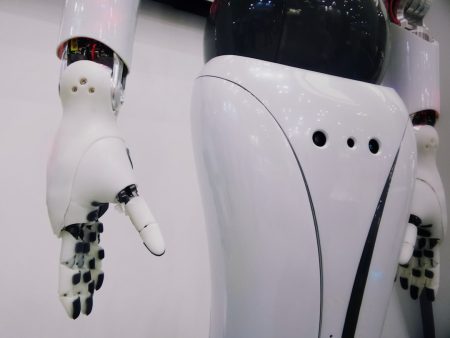
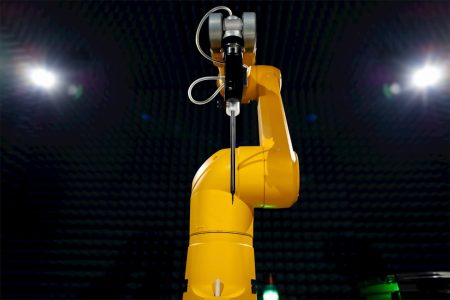
The show also features a growing number of humanoid robots, a segment that has captured public imagination. While still evolving, these robots are becoming more sophisticated, with Gary Shapiro anticipating an even wider range in the coming years. Beyond humanoids, the industry is focusing on specialized robots tailored for specific functions, leveraging their ability to perform tasks beyond human capabilities. This specialization reflects a pragmatic approach to robotics, addressing diverse needs across various sectors.
Extended reality (XR), which encompasses virtual and augmented reality, plays a crucial role as a virtual training ground for robots and other physical AI systems. This technology enables developers to simulate complex environments and scenarios, refining robot behaviors and AI algorithms before real-world deployment. The integration of XR with AI and robotics underscores a holistic approach to technological advancement, ensuring robust and reliable performance in increasingly intelligent systems, a trend echoed in recent tech analysis.
CES 2026 solidifies artificial intelligence and robotics as foundational pillars for future technological growth, moving from conceptual promise to tangible applications. The event also highlights critical considerations, such as the energy demands of AI and the ethical implications of increasingly autonomous systems, urging a balanced approach to innovation.
With a special focus on the disability community, showcasing how technology can assist older individuals and those with impairments, CES 2026 demonstrates a commitment to inclusive innovation. The advancements unveiled this week promise to shape not just consumer products, but the very fabric of how we live, work, and interact with the world around us, driving a future where technology is deeply embedded in solving humanity’s most pressing challenges.