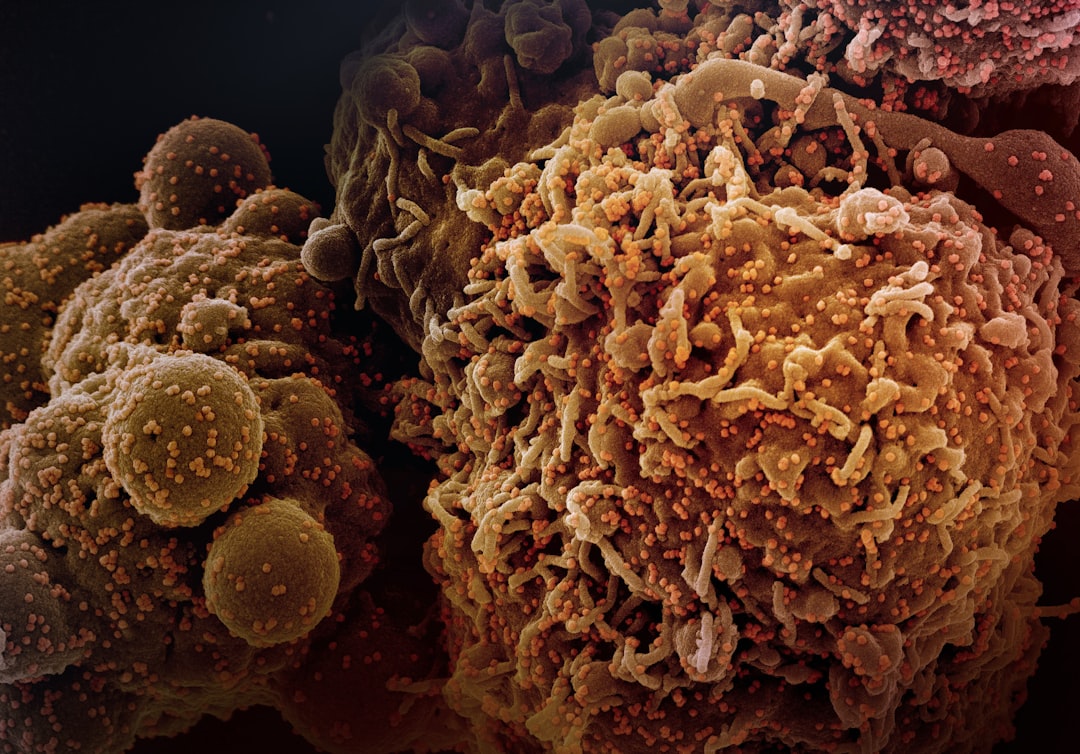
A groundbreaking study, highlighted by ScienceDaily.com in January 2026, reveals a surprising benefit of chemotherapy’s gut damage: it may train the immune system to block cancer’s spread. This research shows how chemotherapy rewires gut bacteria to produce a molecule that strengthens anti-cancer defenses, making metastatic sites less hospitable for tumors. This offers a novel perspective on systemic cancer treatment.
For years, the gastrointestinal side effects of chemotherapy have been viewed primarily as an unfortunate, localized problem. Patients often experience severe discomfort, leading to treatment interruptions or dosage adjustments. However, this new perspective from researchers at the University of Lausanne suggests these internal changes trigger a cascade of events far beyond the digestive tract, impacting the body’s overall immunity.
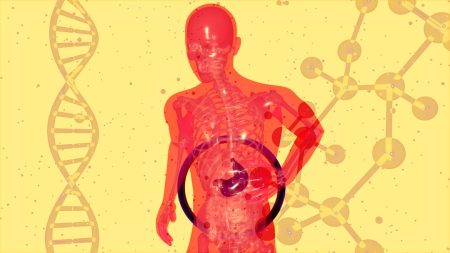
The core discovery lies in how chemotherapy-induced injury to the intestinal lining dramatically shifts nutrient availability within the gut. This forces resident bacteria to adapt, altering their composition and behavior. The consequence is a systemic immune response, where gut bacteria play an unexpected but crucial role in the body’s defense against cancer dissemination, particularly against the challenge of metastatic cancer.
How gut changes impact systemic immunity
The research pinpoints a key microbial compound: indole-3-propionic acid (IPA), derived from tryptophan. When chemotherapy alters the gut environment, IPA production increases significantly. This molecule doesn’t stay in the gut; instead, it acts as a powerful signal, traveling through the bloodstream to the bone marrow, the primary site for immune cell production.
Ludivine Bersier, first author, found it surprising how a “side effect often seen as collateral damage of chemotherapy can trigger such a structured systemic response.” Higher IPA levels reprogram myelopoiesis, lowering immunosuppressive monocyte production. These monocytes typically aid cancer cells in evading immune defenses and promote metastatic growth, as detailed in the original Nature study.
This shift boosts T cell activity and modifies immune cell interactions in potential metastatic sites, particularly the liver. Preclinical models demonstrated that these changes create conditions highly resistant to metastatic growth. This mechanism highlights a direct link between gut health and systemic anti-cancer immunity, showing how chemotherapy rewires gut bacteria to block metastasis at a fundamental level.
Clinical relevance and future potential
The laboratory findings gain significant weight from patient data, collected in collaboration with Dr. Thibaud Koessler from Geneva University Hospitals (HUG). Among colorectal cancer patients, those exhibiting higher IPA levels in their bloodstream post-chemotherapy also showed lower monocyte levels. This specific immune profile correlated with improved survival outcomes, providing robust clinical validation for the proposed gut-bone marrow axis.
Tatiana Petrova, corresponding author of the study, emphasized that “this work shows that the effects of chemotherapy extend far beyond the tumor itself.” Uncovering this functional axis offers new avenues for therapeutic intervention. It suggests that by modulating gut microbiota-derived metabolites, clinicians might be able to durably limit metastatic progression, enhancing the long-term efficacy of chemotherapy against cancer spread, building on insights into the gut microbiome’s role in health.
The revelation that chemotherapy rewires gut bacteria to block metastasis opens exciting doors for cancer research and treatment strategies. This biological “memory,” driven by microbial metabolites, points to the profound systemic impact of the gut microbiome on overall health and disease resistance. Future efforts could focus on leveraging IPA or similar microbial signals to bolster the body’s natural defenses, potentially transforming how we approach preventing cancer recurrence and spread.