A recent study by Tokyo Metropolitan University researchers has unveiled a previously overlooked pathway for plastic pollution, tracing tiny plastic coatings from agricultural fertilizers directly from farm fields to ocean beaches. Published on January 19, 2026, on ScienceDaily.com, this research sheds new light on the mystery of “missing plastics” in marine environments.
Polymer-coated fertilizers (PCFs) are widely used to enhance nutrient release in crops globally, including rice in Asia and wheat and corn in Western countries. While their agricultural benefits are clear, their environmental footprint, particularly as a source of microplastics, is only now becoming fully understood.
Estimates suggest that a significant portion of plastic entering the ocean vanishes from the surface, settling on the seafloor or accumulating in various environmental “sinks.” This new finding suggests beaches, particularly those near direct agricultural runoff, act as crucial temporary repositories for these pervasive plastic particles.
The hidden journey of farm plastics to coastlines
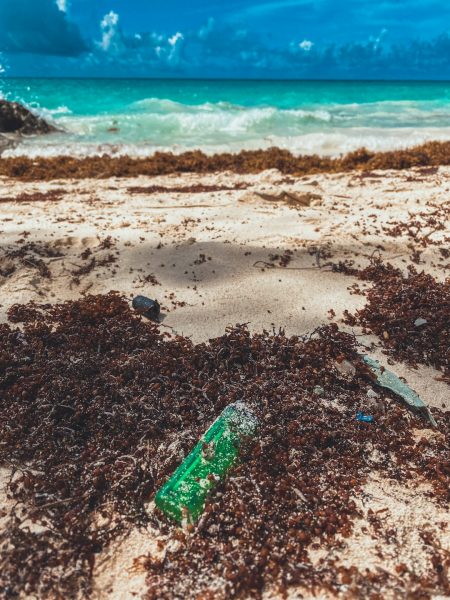
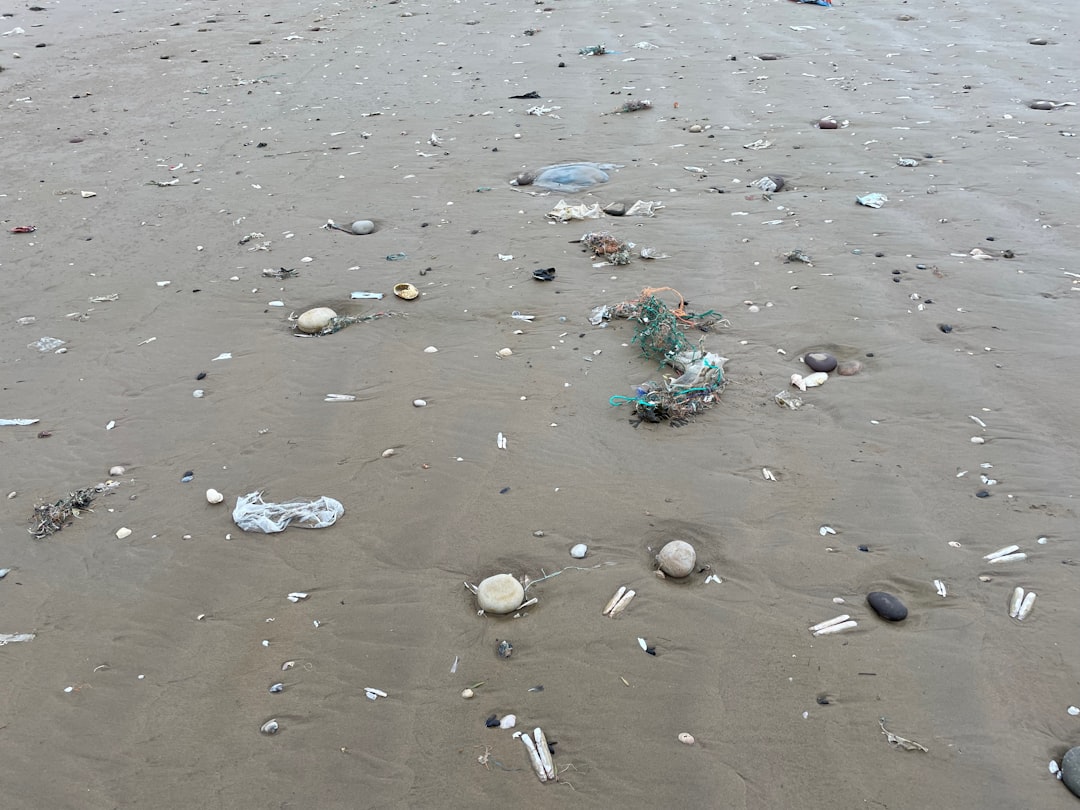
The study, led by Professor Masayuki Kawahigashi and Dr. Dolgormaa Munkhbat, meticulously surveyed 147 plots across 17 Japanese beaches. They investigated the presence of PCF debris in areas near river mouths versus those with direct drainage from farmland to the sea. The results painted a stark contrast in pollution pathways.
Near river mouths, less than 0.2% of applied fertilizer plastic was detected on nearby beaches, with most remaining on farmland or carried further out to sea. In contrast, regions with agricultural land connected to the ocean via canals saw a staggering 28% of fertilizer plastic return to shore. This highlights direct drainage’s critical role in transporting these microplastics.
This research indicates that waves and tidal forces actively push these plastics ashore, transforming beaches into overlooked accumulation zones. While much of the PCF material entering rivers eventually becomes part of the “missing plastics” phenomenon in the open ocean, direct coastal drainage creates a distinct and measurable pathway for pollution, as reported by ScienceDaily.
Implications for ocean microplastics and marine ecosystems
The discovery of fertilizer microplastics as a major, yet hidden, source significantly contributes to our understanding of global plastic pollution. Previous studies have already linked 50-90% of plastic debris on Japanese beaches to these fertilizer coatings. The sheer volume and widespread use of PCFs suggest this issue is not confined to Japan.
Microplastics, defined as plastic particles smaller than 5 millimeters, pose severe threats to marine life, ecosystems, and potentially human health. They are ingested by marine organisms, leading to physical harm, reduced feeding, and exposure to toxic chemicals. Understanding their specific sources, like these agricultural coatings, is vital for developing effective mitigation strategies, as detailed by NOAA.
Researchers also observed physical changes in the collected fertilizer microplastics, noting reddening and browning, along with deposits of iron and aluminum oxide. These alterations could increase particle weight, influencing how they are transported and where they eventually settle, adding another layer of complexity to the fate of plastic in our oceans.
The United Nations Environment Programme emphasizes the global crisis of plastic pollution, and insights like these are crucial for addressing the problem at its roots, from farm to ocean. Furthermore, the EPA highlights the pervasive nature of plastics in various environmental settings.
Tracing fertilizer microplastics from fields to beaches represents a significant advance in mapping plastic pollution’s complex journey. This clarifies a key pathway for pervasive particles, helping explain why so much plastic vanishes once entering marine environments.
Future efforts must focus on reducing reliance on plastic-coated fertilizers and improving agricultural waste management. This is crucial to protect coastal ecosystems and the broader ocean from this insidious threat, underscoring how even seemingly benign agricultural innovations can have far-reaching environmental consequences.