A global scramble for copper, a metal indispensable to the energy transition, is igniting an unprecedented wave of mega-mergers within the mining industry. This intense competition reflects a critical shift, as nations and corporations vie for control over resources vital for electrification, electric vehicles, and renewable energy infrastructure.
The world’s pivot towards a decarbonized future has dramatically elevated copper’s strategic importance. Previously viewed primarily as an industrial commodity, copper is now a cornerstone of modern technological advancement, with demand projections indicating a substantial supply deficit in the coming decade. This looming shortage is compelling major mining houses to secure existing reserves and future production capacity at an aggressive pace.
This fierce contest for future supply has already triggered a series of high-stakes acquisition attempts and consolidation proposals, fundamentally altering the competitive landscape of the global mining sector. The pursuit of scale and resource control underscores a broader industry effort to meet the escalating needs of a rapidly electrifying planet.
The electrification imperative and copper’s critical role
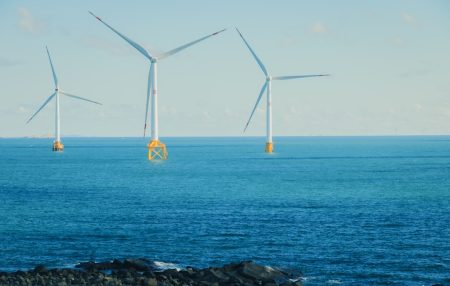
The burgeoning demand for copper is intrinsically linked to the global energy transition. Electric vehicles, for instance, require significantly more copper than their internal combustion engine counterparts, primarily for batteries, motors, and charging infrastructure. Similarly, solar panels, wind turbines, and the expanded grid infrastructure needed to support them are highly copper-intensive.
Reports from institutions like the International Energy Agency (IEA) consistently highlight copper as a critical mineral, forecasting a dramatic surge in demand over the next two decades. This demand push collides with inherent supply constraints, including declining ore grades in existing mines, lengthy and complex permitting processes for new projects, and increasing resource nationalism in key producing regions.
The combination of relentless demand growth and structural supply challenges creates a compelling environment for consolidation. Major players are looking to acquire rather than build, as developing new mines can take over a decade and billions in capital, a timeline often incompatible with the urgency of the energy transition.
Reshaping the global mining landscape through consolidation
The pursuit of copper reserves has led to some of the most significant merger and acquisition activities in recent memory. For example, BHP’s substantial bid for Anglo American in 2024 underscored the industry’s appetite for copper assets, even if ultimately unsuccessful. Such moves are driven by a desire to gain greater control over supply chains, achieve economies of scale, and mitigate risks associated with future price volatility and geopolitical instability.
Consolidation, however, brings its own set of implications. Increased market concentration could potentially affect copper prices and the overall competitiveness of the industry. Yet, it also promises to unlock greater capital for investment in advanced mining technologies, including automation and sustainable practices, which are crucial for responsible resource extraction. As The Economist noted in early 2026, this trend of mega-mergers is an inevitable outcome of the global race for vital clean energy minerals.
The future of the copper market will likely be defined by a delicate balance between securing sufficient supply for the green transition and addressing the environmental and social governance (ESG) concerns associated with large-scale mining operations. While consolidation offers a pathway to efficiency and investment, the industry must navigate these complex challenges to ensure a sustainable future for this essential metal.