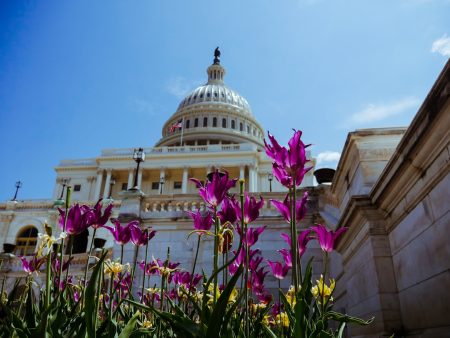

Lawmakers on the Senate Banking Committee suggest a comprehensive crypto bill is closer than ever to becoming law, despite a complex legislative landscape and persistent disagreements. This renewed optimism comes amid ongoing efforts to establish clear regulatory frameworks for digital assets in the United States, a move seen as crucial for market stability and consumer protection.
The push for federal digital asset legislation has been a protracted battle, marked by jurisdictional disputes between agencies like the SEC and CFTC, and differing views within Congress. For years, the industry has clamored for clear rules, arguing that regulatory uncertainty stifles innovation and pushes businesses offshore. Recent discussions, however, indicate a potential breakthrough in bridging these divides, focusing on key areas such as stablecoin oversight and market structure.
Sources close to the negotiations, including reports from outlets like The Block, indicate a growing consensus around the necessity of a unified approach. This momentum is particularly significant given the bipartisan nature of the committee’s efforts, often a challenging feat in Washington’s current political climate. Addressing critical issues from investor safeguards to illicit finance remains central to these legislative discussions.
Bipartisan efforts and stablecoin regulation
A significant driver behind the perceived progress is the focus on specific, less contentious aspects of the crypto market, primarily stablecoins. Senators like Cynthia Lummis (R-WY) and Kirsten Gillibrand (D-NY) have previously introduced comprehensive legislation, and their efforts, alongside others, continue to inform the current dialogue. Stablecoins, digital assets pegged to a stable value like the U.S. dollar, have emerged as a priority due to their potential systemic risks and widespread use in the broader financial ecosystem.
According to a recent analysis by the Brookings Institution, clear stablecoin regulation could enhance financial stability by providing a robust framework for issuance, redemption, and reserve requirements. Senator Sherrod Brown (D-OH), Chair of the Banking Committee, has consistently emphasized consumer protection and the need to prevent another FTX-like collapse, shaping the committee’s priorities. This emphasis aligns with concerns raised by the Treasury Department regarding money laundering risks associated with digital assets.
Navigating market structure and consumer safeguards
Beyond stablecoins, the committee continues to grapple with the complex issue of market structure, specifically defining which digital assets fall under securities law versus commodities law. The Securities and Exchange Commission (SEC), under Chair Gary Gensler, has largely asserted jurisdiction over many cryptocurrencies, leading to numerous enforcement actions. Conversely, the Commodity Futures Trading Commission (CFTC) advocates for its role in regulating spot crypto markets, creating a regulatory tug-of-war.
Lawmakers are exploring legislative solutions to clarify these jurisdictional boundaries, potentially providing much-needed certainty for innovators and investors. Data from Pew Research Center indicates a growing public interest in cryptocurrency, underscoring the urgency for legislative clarity. Senator Tim Scott (R-SC), the Banking Committee’s Ranking Member, has consistently advocated for policies that foster innovation while protecting investors from fraud and manipulation, highlighting the ongoing search for a balanced approach.
While a final bill remains subject to further negotiation and potential amendments, the sentiment within the Senate Banking Committee suggests a significant shift towards actionable legislation. The convergence of bipartisan interest, coupled with a more focused approach on achievable regulatory segments, positions the United States closer to establishing a definitive framework for digital assets. The coming months will be critical in determining if this legislative momentum can translate into concrete policy that shapes the future of the crypto industry.