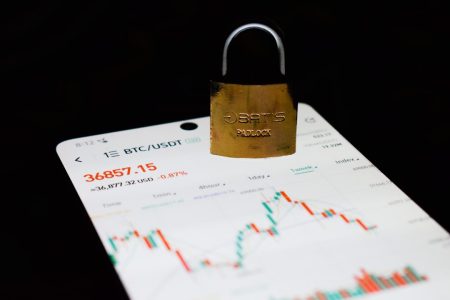
Recent developments signal a turbulent period for digital assets, as a Jefferies strategist adjusts Bitcoin holdings over quantum computing fears, coinciding with Google Play’s ban on overseas crypto exchanges in South Korea. These events, reported by The Block on January 16, 2026, underscore growing concerns around both the long-term security of blockchain technology and the increasing regulatory scrutiny worldwide.
The move by Jefferies reflects a forward-looking assessment of potential vulnerabilities, even if theoretical for now, while South Korea’s actions highlight a concerted effort by nations to assert control over the volatile digital asset landscape. These dual pressures – technological uncertainty and governmental oversight – are shaping the future trajectory of the global crypto market, demanding careful attention from investors and policymakers alike.
Understanding these dynamics is crucial for anyone involved in digital finance, as they represent significant shifts in how these assets are perceived and controlled. The confluence of advanced technological threats and national regulatory frameworks creates a complex environment, influencing investment strategies and market accessibility.
Quantum computing and bitcoin’s cryptographic foundation
The decision by a Jefferies strategist to reduce Bitcoin allocation by 10% stems from growing anxieties surrounding quantum computing. While current quantum computers are not yet powerful enough to break the cryptographic algorithms underpinning Bitcoin, the long-term threat is real. Bitcoin’s security relies heavily on the SHA-256 hashing algorithm and elliptic curve cryptography, both of which could theoretically be vulnerable to sufficiently advanced quantum attacks, as detailed in a report by the National Institute of Standards and Technology (NIST) on post-quantum cryptography.
This pre-emptive move by a major financial player indicates a shift in risk assessment, where future technological capabilities are now factoring into present investment decisions. Such concerns prompt a broader discussion on the need for quantum-resistant cryptographic solutions for blockchain networks, a field actively explored by researchers globally. The perceived threat, though distant, highlights the continuous need for innovation in digital asset security.
South Korea’s tightening grip on crypto exchanges
Concurrently, Google Play’s ban on overseas crypto exchanges in South Korea marks a significant escalation in the nation’s stringent approach to digital asset regulation. This follows a pattern of heightened oversight, as the South Korean Financial Services Commission (FSC) has consistently sought to strengthen consumer protection and anti-money laundering (AML) measures within its crypto sector.
By limiting access to foreign platforms, South Korea aims to channel domestic crypto activity through regulated local exchanges, ensuring better compliance with its financial laws and potentially reducing capital flight. This strategy mirrors efforts in other jurisdictions to bring the burgeoning crypto economy under more direct governmental control, impacting market liquidity and the operational models of international crypto firms. The move signals a clear preference for national oversight over global accessibility.
These developments collectively paint a picture of an industry at a crossroads, navigating both profound technological evolution and increasingly restrictive regulatory environments. Investors and market participants must remain vigilant, adapting to a landscape where security concerns and national policies are rapidly redefining the parameters of digital asset engagement. The interplay of quantum advancements and regulatory frameworks will undeniably shape the next chapter for cryptocurrencies.