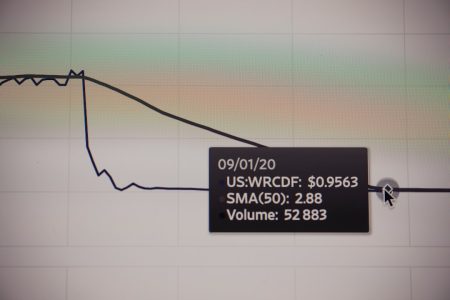
The cryptocurrency market experienced notable volatility as Zcash (ZEC) saw a significant price drop following reports of its core developer team at Electric Coin Company (ECC) quitting. Simultaneously, spot XRP ETFs recorded their first net outflows since their launch, signaling shifting investor sentiment across key digital assets, as reported by The Block.
These parallel developments underscore a period of reevaluation within the digital asset space. For Zcash, a privacy-focused cryptocurrency, the departure of key development talent from ECC, its primary steward, raises questions about its future trajectory and innovation capabilities. This uncertainty often translates directly into market price movements.
Meanwhile, XRP, a cryptocurrency often associated with cross-border payments, had enjoyed a period of renewed institutional interest with the introduction of spot ETFs. The recent outflows, however, suggest that the initial wave of enthusiasm may be tempering, or investors are taking profits after recent gains. Both events offer a glimpse into the evolving landscape of crypto investment and development.
Zcash’s developer exodus and market impact
The Electric Coin Company, long at the forefront of Zcash’s development, faces a critical juncture after reports surfaced about a significant portion of its developer team stepping down. This move has triggered a noticeable decline in ZEC’s market value, reflecting investor concern over the project’s long-term viability and development pace. Zcash, known for its strong privacy features, relies heavily on continuous innovation.
Experts suggest that a mass exodus of core developers can severely impact a project’s roadmap and its ability to adapt to new challenges or implement upgrades. Historically, such events have often led to prolonged periods of price stagnation or further declines for affected cryptocurrencies. The community now watches closely for ECC’s strategy to mitigate these departures and reassure stakeholders, as noted in a recent market analysis.
The integrity of the Zcash protocol and its commitment to privacy remain strong, but the perception of a weakened development front can deter new investment and slow adoption. The coming months will be crucial for ECC to demonstrate resilience and maintain confidence among its user base and investors in the face of these significant internal changes.
XRP ETF trends and institutional sentiment
Spot XRP ETFs, which generated considerable buzz upon their debut, have now registered their first period of net outflows. This marks a notable shift from the initial influx of capital that characterized their launch, indicating a potential cooling of institutional appetite or a phase of profit-taking among early investors. The performance of these ETFs is a key barometer for broader institutional engagement with XRP.
The introduction of spot crypto ETFs has generally been seen as a gateway for traditional finance to access digital assets. While a single period of outflows does not necessarily signal a complete reversal, it prompts a closer examination of the underlying demand and conviction from institutional players. Data from investment firms often shows a cyclical nature to these flows, influenced by macro-economic factors and specific asset performance, according to Bloomberg reports.
Analysts are now evaluating whether this trend is an isolated event or the beginning of a sustained pattern. The long-term success of XRP ETFs, and by extension XRP’s institutional adoption, will depend on consistent investor interest and a clear regulatory environment, which remains a key focus for the asset. This development provides valuable insight into the evolving relationship between traditional finance and the volatile crypto market.
The recent developments surrounding Zcash and XRP highlight the dynamic and often unpredictable nature of the cryptocurrency market. From internal team shifts impacting core development to institutional investment products experiencing fluctuating demand, these events remind investors of the critical need for vigilance and informed analysis. The coming weeks will likely reveal more about the long-term implications for both assets and the wider digital economy.