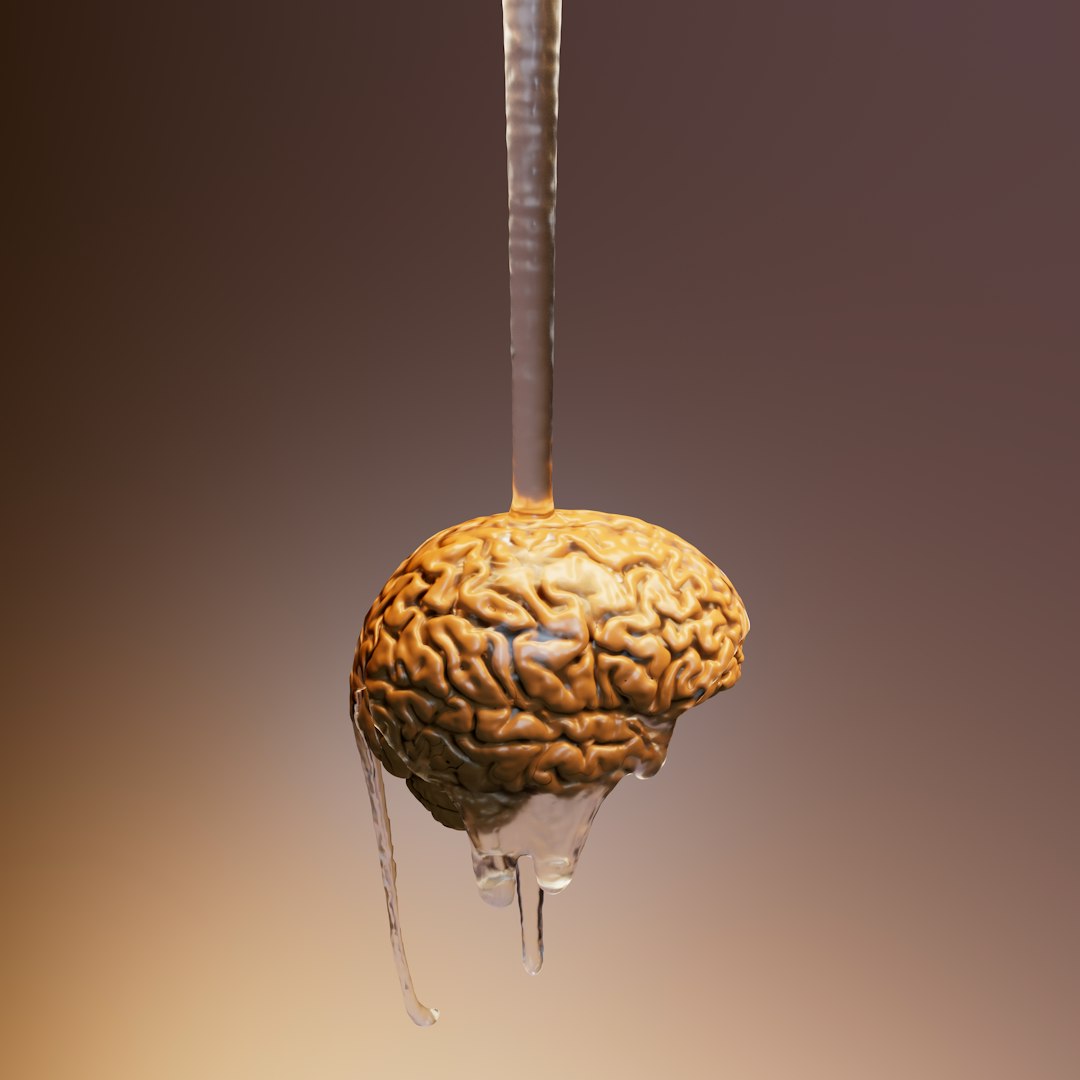
Scientists at Johns Hopkins Medicine have unveiled a surprising new role for delta-type ionotropic glutamate receptors, or GluDs, a class of brain proteins once considered inactive. This breakthrough reveals GluDs as crucial regulators of brain cell communication and synapse formation, offering promising new therapeutic avenues for conditions like anxiety, schizophrenia, and movement disorders.
For years, the scientific community largely viewed GluD proteins as passive components within the brain, their precise function remaining a persistent enigma despite known links to severe psychiatric and neurological conditions. This lack of understanding significantly hampered efforts to develop targeted treatments for disorders where GluDs were implicated. The recent work by Johns Hopkins researchers fundamentally reshapes this long-held perception.
The revelation, detailed in a study published in Nature, marks a pivotal moment in neuroscience. It opens a potential pathway for developing drugs that can precisely modulate brain activity, thereby offering new hope for millions affected by complex mental health challenges and debilitating movement disorders. This discovery promises to unlock new strategies for fine-tuning neural pathways.
Unlocking the brain protein switch mechanism
To dissect the elusive nature of GluDs, Edward Twomey, Ph.D., assistant professor of biophysics and biophysical chemistry at the Johns Hopkins University School of Medicine, and his team employed cryo-electron microscopy. This advanced imaging technique allowed an unprecedented visualization of these proteins at a molecular level, revealing their dynamic structure.
The team’s analysis pinpointed an ion channel at the core of GluD proteins. This channel, critical for neurochemical processes, facilitates the interaction with neurotransmitters—the electrical signals that enable brain cells to communicate. “This process is fundamental for the formation of synapses, the connection point where cells communicate,” Twomey explained, highlighting the active role GluDs play in neural plasticity.
New therapeutic horizons for neurological disorders
The implications of this discovery are vast, particularly for conditions where GluD dysfunction is a known factor. For cerebellar ataxia, a disorder impacting movement and balance, GluDs are observed to be “super-active” even without proper electrical signaling. Future drug therapies could focus on blocking this excessive activity, potentially alleviating symptoms including memory problems.
Conversely, in schizophrenia, GluDs exhibit reduced activity. This suggests a therapeutic strategy involving drugs designed to boost their function, aiming to restore more balanced brain communication. Edward Twomey plans to collaborate with pharmaceutical companies to advance these therapeutic targets, as reported by ScienceDaily.com on January 19, 2026.
Beyond these specific disorders, the research also hints at connections to aging and memory decline. Given GluDs’ direct involvement in regulating synapses, which are vital for learning and memory, targeted interventions could help preserve synaptic function over time. This offers a promising avenue for combating age-related cognitive decline.
The identification of GluDs as active regulators of brain communication marks a significant shift in our understanding of neurological health. This research, supported by funding from the National Institutes of Health, provides a robust foundation for developing highly precise treatments. It moves beyond broad-spectrum approaches, offering a future where therapies can specifically target the root causes of conditions linked to synaptic malfunction.