

Recent geopolitical shifts underscore the urgent need for Europe to re-evaluate its defense mechanisms, prompting a critical discussion for a new security framework.
Recent geopolitical shifts underscore the urgent need for Europe to re-evaluate its defense mechanisms, prompting a critical discussion for a new security framework.
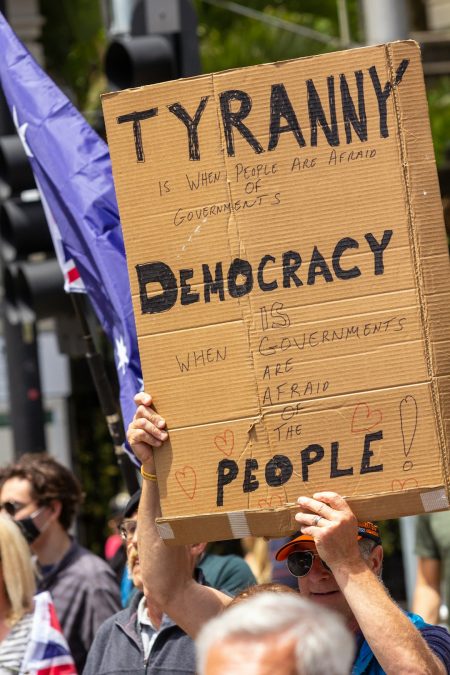
While authoritarian regimes promise order, the authoritarian illusion masks their inherent weaknesses in accountability and long-term vision. We explore democracy’s enduring strength.

Europe must overcome fragmented national efforts through joint financing and procurement to build robust defense capabilities and reduce dependence on external powers.

Donald Trump’s aggressive foreign policy, characterized by territorial threats and treating diplomacy as personal enrichment, poses significant economic and geopolitical dangers for the US.

France struggles with budget impasses. A recent experiment suggests transparent trade-offs can secure voter support for tough fiscal decisions, offering a path to stability.
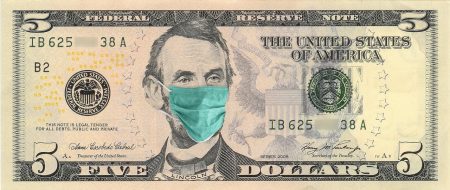
Since early 2026, a more aggressive United States, dubbed ‘Rogue America’, has actively reshaped the global economic outlook, challenging international norms and alliances.

Saudi Arabia’s Tadawul opens to all foreign investors, marking a pivotal shift in Gulf finance and global investment opportunities.

China faces a severe demographic crisis as birth rates plummet, posing immense challenges for its economic future. Can the nation reverse this trend?

The World Economic Forum’s call for dialogue clashes with escalating geopolitical aggression, raising questions about its relevance amidst global disorder.

Donald Trump’s administration has openly pursued US interests abroad, shedding traditional diplomatic pretexts and revealing a stark form of American imperialism, as seen in actions against Venezuela.

Tech evangelists often tout superintelligence as a climate fix, but experts warn it’s a willpower problem, not just information, requiring concrete action now.

Global financial stability, long tied to the dollar’s reserve role, faces challenges. Erratic US leadership creates vulnerability, urging a shift to a multicurrency system.