Just 150 minutes of weekly aerobic exercise may help keep your brain biologically younger and mind sharper, well into the future. New research, utilizing advanced MRI scans, reveals that adults consistently engaging in such activity can see their brains appear nearly a year younger after just 12 months. This finding underscores the profound impact of regular physical activity on cognitive health, especially when initiated in midlife.
The prospect of slowing down brain aging has long fascinated scientists and the public alike. As populations age globally, maintaining robust cognitive function becomes increasingly critical for quality of life and societal productivity. This latest study adds significant weight to the growing body of evidence supporting exercise as a powerful tool against age-related cognitive decline.
Published in the Journal of Sport and Health Science, the research from AdventHealth Research Institute highlights a measurable reduction in ‘brain age’ among participants who adhered to a moderate-to-vigorous aerobic exercise regimen. This metric, derived from MRI scans, indicates how old a brain appears compared to chronological age, with a lower difference signifying a younger-looking brain.
Measuring brain age and the exercise impact
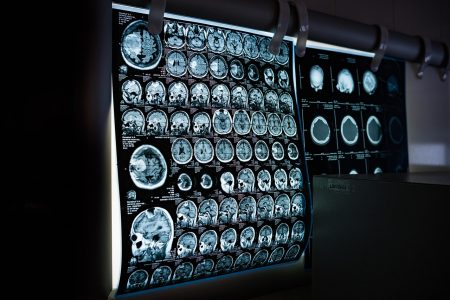
Scientists use magnetic resonance imaging (MRI) to estimate ‘brain age,’ a reflection of how old the brain appears relative to a person’s actual age. A higher brain-predicted age difference (brain-PAD) often correlates with weaker physical and cognitive performance, and even an increased mortality risk, as highlighted by various studies on brain health. This makes any intervention that can reduce brain-PAD particularly noteworthy.
Dr. Lu Wan, lead author and data scientist at the AdventHealth Research Institute, emphasized the practical implications. ‘We found that a simple, guideline-based exercise program can make the brain look measurably younger over just 12 months,’ she stated, as reported by ScienceDaily.com. ‘These absolute changes were modest, but even a one-year shift in brain age could matter over the course of decades.’
The year-long trial and its surprising findings
The clinical trial involved 130 healthy adults, aged 26 to 58, randomly assigned to either an aerobic exercise group or a usual-care control group. Participants in the exercise arm completed two supervised 60-minute sessions weekly, supplemented by home-based workouts, totaling approximately 150 minutes of aerobic activity, aligning with American College of Sports Medicine guidelines.
After one year, the exercise group showed a significant decrease in brain age, with their brain-PAD dropping by about 0.6 years. In contrast, the control group’s brains appeared slightly older, though not statistically significant. The direct comparison revealed a nearly one-year difference in brain age between the two groups in favor of those who exercised regularly.
Interestingly, the researchers also explored potential underlying mechanisms, such as changes in fitness levels, body composition, blood pressure, or brain-derived neurotrophic factor (BDNF). While fitness improved, none of these factors statistically accounted for the observed reduction in brain-PAD. This suggests exercise may influence brain aging through additional, yet-to-be-identified pathways, presenting a new avenue for future research.
Dr. Kirk I. Erickson, senior author and neuroscientist at AdventHealth Research Institute and the University of Pittsburgh, noted the long-term significance. ‘Even though the difference is less than a year, prior studies suggest that each additional “year” of brain age is associated with meaningful differences in later-life health,’ he explained. ‘From a lifespan perspective, nudging the brain in a younger direction in midlife could be very important.’
These findings reinforce the critical role of consistent aerobic exercise in maintaining cognitive vitality. While the exact biological pathways remain under investigation, the evidence from MRI scans is clear: a commitment to physical activity can tangibly impact how young our brains appear. For individuals in midlife, this presents a compelling, accessible strategy for long-term brain health.
As research continues to unravel the intricate relationship between physical activity and neurological health, this study provides a powerful incentive. Adopting a regular exercise routine, even a moderate one, offers a proactive step towards safeguarding mental well-being and potentially extending the period of optimal cognitive function throughout our lives. For more insights on physical activity, consult the CDC physical activity guidelines.