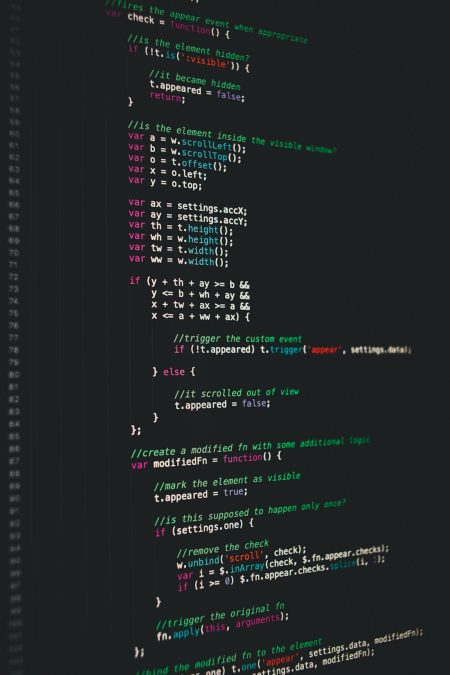
Generative coding stands as a pivotal advancement among the 10 Breakthrough Technologies of 2026, fundamentally reshaping how software is conceived and built. This burgeoning field, leveraging artificial intelligence, has swiftly transitioned from theoretical potential to a tangible business utility, enabling both seasoned developers and new entrants to streamline complex programming tasks.
The rapid integration of AI into the software development lifecycle marks a significant shift, promising enhanced efficiency and innovation across industries. As detailed by Technology Review in January 2026, major tech players are already deeply invested, with AI agents increasingly contributing to their codebase, signaling a future where human-machine collaboration defines the creation process.
This technological leap addresses the persistent demand for faster, more reliable software solutions, while also introducing a new paradigm for skill acquisition in the digital realm. The implications extend beyond mere productivity gains, touching upon the very essence of creativity and problem-solving in engineering.
The ascent of AI coding assistants
The proliferation of AI coding assistants has democratized software creation, allowing individuals with minimal programming knowledge to develop sophisticated applications, games, and websites using simple prompts. Tools such as Microsoft Copilot, Cursor, Lovable, and Replit exemplify this trend, empowering a broader spectrum of innovators.
Leading tech firms are embracing this shift at an unprecedented rate. According to executives, AI now generates up to 30% of Microsoft’s code and over a quarter of Google’s, demonstrating a robust adoption rate. Meta’s Mark Zuckerberg envisions a future where most of the company’s code is AI-generated, highlighting the strategic importance of this technology.
This evolution includes practices like “vibe coding,” where developers increasingly allow the software to lead the code generation process, accepting AI’s suggestions to accelerate project completion. Such methods underscore a growing trust in AI’s capacity to handle the often-tedious aspects of coding, freeing human engineers for more complex, strategic challenges.
Navigating challenges and the future landscape
Despite its transformative potential, generative coding presents notable challenges. AI-generated code is not immune to “hallucinations” or security vulnerabilities, necessitating rigorous human oversight and verification. Researchers at MIT CSAIL have pointed out that even plausible-looking AI code may not always perform as intended, emphasizing the critical role of human expertise.
Furthermore, current AI tools often struggle with large and intricate codebases, a hurdle that companies like Cosine and Poolside are actively working to overcome through advanced research and development. This limitation suggests that while AI excels at specific tasks, complex system architecture still largely requires human ingenuity.
The rise of generative coding also casts a shadow on entry-level job markets in software development. While AI assistants augment the capabilities of existing professionals, they may reduce the demand for junior positions, prompting a reevaluation of educational pathways and skill development for future engineers. The World Bank projects continuous shifts in labor markets due to AI integration.
Generative coding represents a powerful wave of innovation, offering unprecedented tools for software creation while simultaneously demanding a recalibration of human roles and responsibilities. Its trajectory points towards a collaborative future where AI enhances human capabilities, but critical thinking, security vigilance, and adaptability remain paramount. The full realization of its promise hinges on addressing its current limitations and fostering a symbiotic relationship between human developers and intelligent machines.