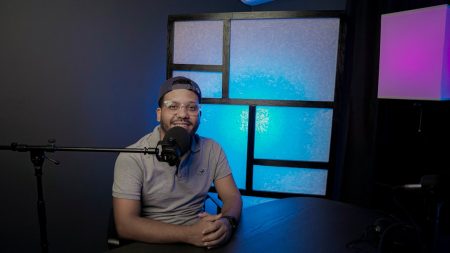

Michał Kiciński, co-founder of CD Projekt RED, has reacquired GOG, signaling a bold new direction for the DRM-free platform. He plans to challenge Steam’s market dominance and reinforce GOG’s commitment to consumer-friendly practices, marking a pivotal moment for GOG’s future.
The surprise sale, announced just after Christmas, saw Kiciński, who left CDPR over a decade ago, take ownership. This transaction followed CD Projekt’s decision to divest from GOG, a move that GOG’s managing director Maciej Gołębiowski confirmed was driven by differing strategic paths. While GOG maintained a distinct identity, its profitability, which was -0.9% in the first half of 2025 compared to CD Projekt’s 35%, likely contributed to the parent company’s strategic realignment, as reported by GamesIndustry.biz on January 12, 2026.
Kiciński’s motivation for the purchase extends beyond pure business. He views GOG, which he helped launch in 2008, as having immense growth potential and felt a strong emotional attachment to his “baby.” He aimed to prevent GOG from being absorbed by a larger corporation, a common trend in the gaming industry, thereby preserving its unique culture and user base. Furthermore, Kiciński sees GOG as a vital Polish and European entity, capable of supporting the country’s active game development scene, which boasts over 600 development teams.
Reclaiming GOG’s identity and challenging market giants
Under Kiciński’s leadership, GOG is set to double down on its core strengths rather than attempting to emulate competitors. Kiciński views Steam’s overwhelming 80% market share not as an obstacle, but as an opportunity. He believes it will be “easier to take the market from them” precisely because of their dominant position, suggesting a strategy focused on differentiation rather than direct confrontation on all fronts.
This approach means GOG will continue to champion games that might not find a home elsewhere, such as “Horses from Santa Ragione,” which was declined by both Steam and the Epic Games Store. By maintaining its original dedication to distributing older titles and embracing unique new releases, GOG aims to carve out a distinct niche. This path echoes the efforts of companies like Nightdive Studios, known for meticulously restoring classic games, by preserving gaming history and offering a diverse catalog.
The DRM-free ethos and supporting independent developers
At the heart of GOG’s strategy remains its unwavering commitment to being a DRM-free platform. This principle, a cornerstone since its inception as Good Old Games, offers consumers true ownership of their purchased titles, a stark contrast to many industry practices. Kiciński emphasizes that this ethos is a key differentiator, appealing to a segment of the market that values freedom from restrictive digital rights management.
Moreover, GOG’s newfound independence allows it to become a more agile and responsive partner for developers, particularly those from its home country. With no larger corporate priorities to contend with, GOG can fully dedicate its resources to its own success, fostering a more direct and supportive relationship with game creators. This focus on developer relations and consumer freedom is crucial for GOG’s future growth in a highly competitive digital storefront landscape.
The reacquisition of GOG by its co-founder marks a significant turning point, promising a renewed focus on its foundational values and a strategic push for independent growth. By leveraging its DRM-free stance and unique catalog, GOG aims to solidify its position as a vital alternative in the digital distribution space. Its future trajectory will undoubtedly offer valuable insights into the evolving dynamics of the gaming market, particularly concerning consumer choice and platform diversity.