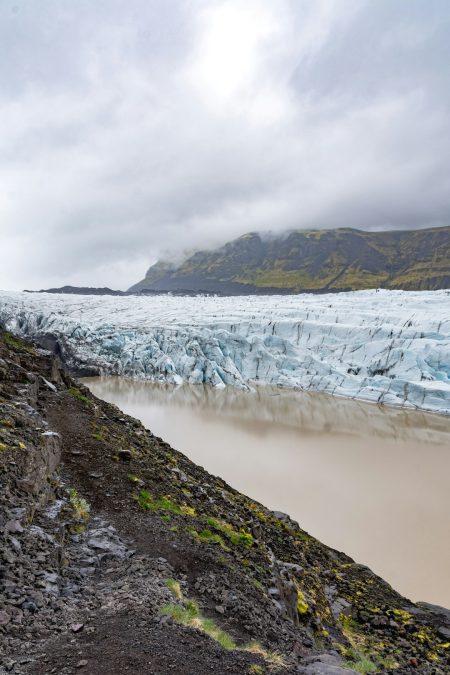
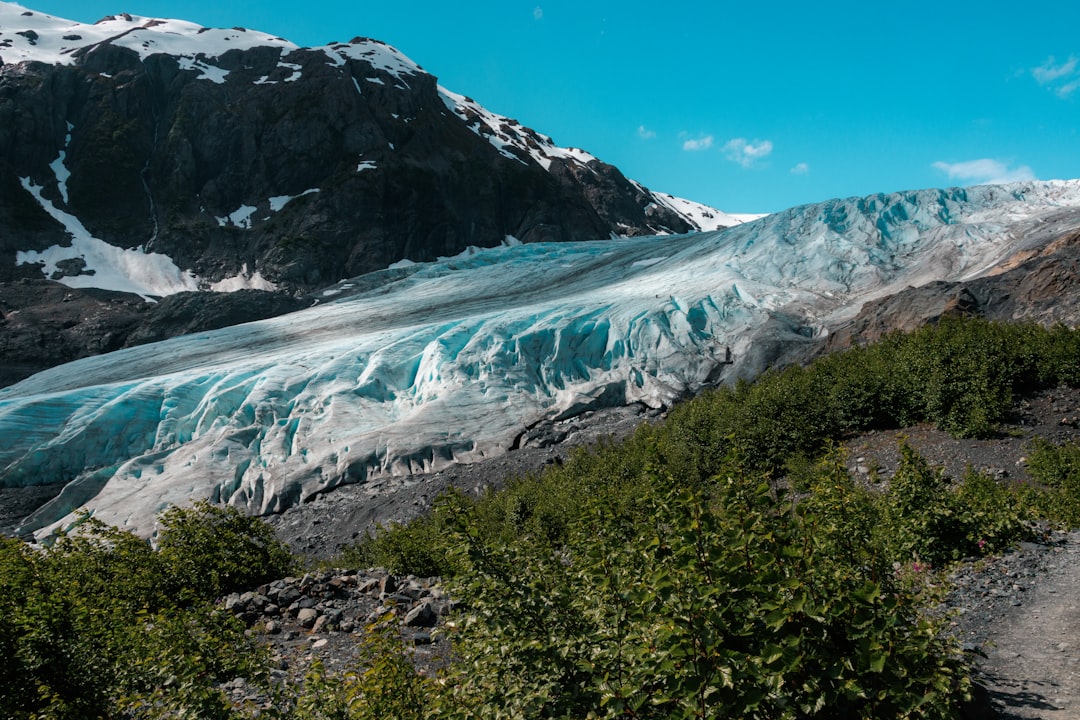
Observations from Greenland’s massive 79°N Glacier reveal it is cracking open in real time, with a meltwater lake draining abruptly through new fissures and vertical shafts. This alarming phenomenon, accelerating in recent years, challenges previous understandings of glacial stability and highlights the profound impacts of rising atmospheric temperatures on Arctic ice.
The dramatic events unfold on a glacier once considered relatively stable. Researchers first detected the meltwater lake in 1995, an area where no such lakes existed before a significant rise in atmospheric temperatures during the mid-1990s. Its formation marked a critical turning point for this vital part of Greenland’s ice sheet, according to findings reported by ScienceDaily.com on January 5, 2026.
Since its appearance, the lake has not remained a static feature. Over nearly three decades, its waters have repeatedly and suddenly drained into the ice, sending massive volumes of freshwater towards the ocean. This continuous disruption poses a direct threat to the glacier’s structural integrity and its long-term resilience against a warming climate.
Unprecedented fractures and rapid drainage
The drainage events have become more frequent and intense, with four of the seven major incidents recorded between 1995 and 2023 occurring in just the last five years. These bursts create extensive triangular fracture fields on the glacier’s surface, unlike anything observed in previous lake drainages, as noted by Prof. Angelika Humbert, a glaciologist at the Alfred Wegener Institute (AWI).
Some of these fractures evolve into gigantic vertical channels, known as moulins, which can span dozens of meters wide. Moulins allow enormous volumes of meltwater to reach the base of the ice sheet within hours, lubricating the glacier’s underside and accelerating its movement.
Researchers have now measured these channels and tracked their evolution over time, providing crucial insights into how water penetrates the massive ice body. This direct observation of rapid water transfer underscores the dynamic and unpredictable nature of glacier response to sustained warming.
The glacier’s ice exhibits both viscous and elastic properties. While it flows slowly like a thick fluid, it can also bend and partially recover its shape, enabling the formation of these cracks and channels. This dual behavior explains why fractures can appear rapidly yet also slowly close over time.
However, radar images indicate that the internal structure of these triangular moulins persists for years, even after surface changes, as detailed in recent studies on Arctic glaciers.
Meltwater lifting and future implications
Perhaps the most striking observation is the evidence of meltwater accumulating beneath the glacier, literally lifting the ice. Aerial images show uneven ice surfaces around fractures, suggesting a vertical shift. Radar data confirmed the presence of a subglacial lake, forming a “blister” that pushes the glacier upward from below, as described by Prof. Humbert.
This phenomenon, where water acts as a hydraulic jack, could significantly destabilize the glacier, making it more prone to further cracking and acceleration. The interconnected system of cracks and channels within the glacier provides multiple pathways for water to escape, creating a complex internal plumbing system.
Understanding these pathways is critical for predicting future glacial behavior. Scientists employed satellite remote sensing, airborne surveys, and viscoelastic modeling to track the lake’s filling and draining, and to determine how long these drainage channels remain open, contributing to NASA’s climate data.
The central question now facing glaciologists is whether the 79°N Glacier can ever return to its previous seasonal rhythm. The increasing frequency and intensity of drainage events, coupled with the persistent structural changes, suggest a fundamental shift in the glacier’s stability. The long-term implications for sea-level rise and global climate patterns remain a significant concern, making continuous monitoring and research vital.
The real-time cracking of Greenland’s 79°N Glacier serves as a stark reminder of the accelerating pace of climate change and its profound effects on the planet’s ice sheets. The observed formation of new meltwater lakes, rapid drainage events, and the physical lifting of the glacier from beneath point to a complex interplay of forces.
These insights underscore the urgency for global action to mitigate greenhouse gas emissions, as the stability of polar regions continues to diminish, with far-reaching consequences for coastal communities worldwide.