Scientists have uncovered a surprising, hidden aging program within the gut’s stem cells, a phenomenon they call “epigenetic drift,” which significantly elevates the risk of colon cancer. This groundbreaking research, detailed by the Leibniz Institute on Aging – Fritz Lipmann Institute, reveals how molecular changes accumulate over time, quietly altering gene expression and potentially paving the way for disease.
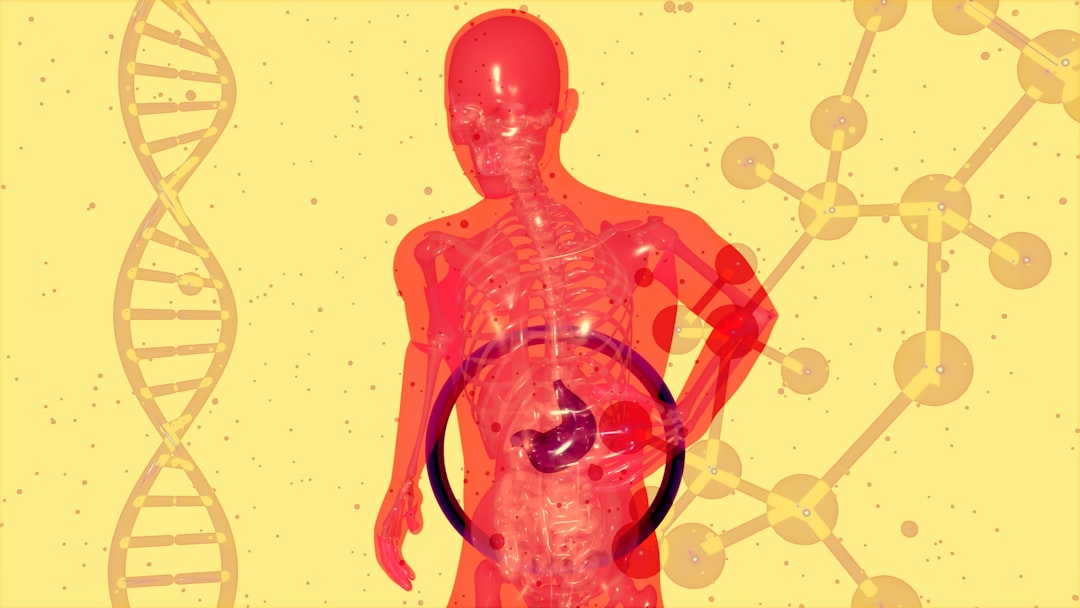
The human gut is remarkable for its rapid cellular renewal, with its lining replaced every few days by specialized stem cells. However, this constant regeneration doesn’t prevent the accumulation of subtle yet profound epigenetic changes. These chemical tags on DNA act as genetic on/off switches, and their gradual alteration forms a clear, non-random pattern as we age.
This newly identified process, termed ACCA (Aging- and Colon Cancer-Associated) drift, intensifies with age and shows a striking resemblance to patterns seen in most colon cancer samples. The findings, published in Nature Aging, suggest that aging stem cells might be creating a fertile ground for cancerous growth.
This research, highlighted on ScienceDaily.com, challenges previous understandings of intestinal health by linking cellular aging directly to increased cancer susceptibility. It provides a new perspective on the subtle molecular shifts that underpin serious diseases over time.
Unraveling the epigenetic drift and cancer link
Professor Francesco Neri, formerly of the Leibniz Institute on Aging and now at the University of Turin, led the international team behind this discovery. He noted the increasing epigenetic pattern with age, particularly affecting genes crucial for maintaining normal tissue balance.
Many of these genes are involved in the Wnt signaling pathway, which is vital for intestinal lining renewal. When altered by epigenetic drift, the gut’s inherent ability to self-repair diminishes, impacting overall health.
The researchers’ analysis revealed this identical drifting pattern not only in aging intestinal tissue but also in nearly all colon cancer samples examined. This strong overlap suggests a potential causal link between cellular aging and increased cancer susceptibility.
A key insight from the study is the uneven nature of aging within the intestine. The gut comprises tiny structures called crypts, each originating from a single stem cell. Dr. Anna Krepelova explained that “Over time, more and more areas with an older epigenetic profile develop in the tissue.”
These regions expand through natural crypt division, creating a “patchwork” of younger and older tissues. The older areas are more prone to producing damaged cells, significantly increasing the chances of fostering cancerous growth within the gut lining.
Iron imbalance and inflammation as accelerators
The team also delved into the mechanisms driving this epigenetic drift, identifying iron loss as a critical factor. As intestinal cells age, they paradoxically absorb less iron while releasing more, reducing the crucial iron (II) levels within the cell nucleus. Iron (II) is essential for TET (ten-eleven translocation) enzymes, which normally clear excess DNA methylations.
With insufficient iron, these TET enzymes become inefficient, causing a buildup of DNA methylations that should have been removed. Dr. Krepelova emphasized, “When there’s not enough iron in the cells, faulty markings remain on the DNA. And the cells lose their ability to remove these markings.” This decline in TET activity leads to key genes being switched off, accelerating the epigenetic drift.
Further exacerbating the problem is age-related inflammation within the gut. Even mild inflammatory signals can disrupt cellular iron balance and impose metabolic stress. Concurrently, Wnt signaling weakens, impairing the stem cells’ ability to remain active and healthy.
This trifecta of iron imbalance, inflammation, and reduced Wnt signaling acts as a powerful accelerator for epigenetic drift. It suggests that gut aging may start earlier and progress faster than scientists previously believed, impacting long-term health.
While the complexity of these cellular processes is significant, the research offers a glimmer of hope. In laboratory experiments using organoid cultures—miniature intestinal models—scientists successfully slowed and even partly reversed epigenetic drift. This was achieved by restoring iron uptake or by modulating key cellular signals.
These findings suggest potential therapeutic avenues for mitigating cancer risk by targeting the gut’s aging program directly. Such strategies could pave the way for novel interventions aimed at maintaining intestinal health and preventing disease progression.
This understanding of the gut’s hidden aging clock provides a new lens for colon cancer prevention and treatment. Future research may focus on dietary interventions, iron supplementation, or targeted therapies to modulate Wnt signaling and reduce inflammation.
The ultimate aim is to maintain the epigenetic integrity of gut stem cells and extend healthy intestinal function. These insights could lead to significant advancements in how we approach age-related diseases and promote longevity within the digestive system.