A recent study from Northwestern University reveals a profound connection between our gut microbes and brain function, suggesting that the secret to human intelligence might indeed reside within our digestive system. Published on ScienceDaily on January 5, 2026, this groundbreaking research provides direct experimental evidence that gut bacteria can shape how the brain develops and operates.
Humans possess the largest brains relative to body size among primates, a feature demanding immense energy for both growth and maintenance. Despite this, the precise mechanisms driving such an energy-intensive evolutionary path have remained largely mysterious. This new work builds on prior findings, which indicated that microbes from larger-brained primates generate more metabolic energy when introduced into other species.
The implications extend beyond evolution, touching upon our daily cognitive abilities and even potential links to neurodevelopmental conditions. By demonstrating a direct causal link, researchers are opening new avenues for understanding not just our past, but also how to foster optimal brain health in the present and future.
The groundbreaking primate-to-mouse experiment
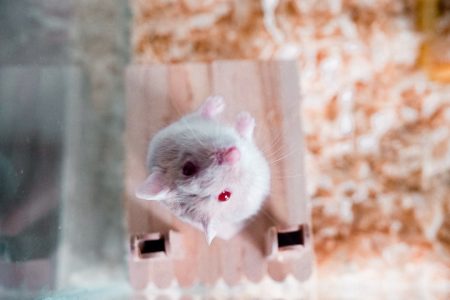
To investigate this intricate connection, the research team conducted a controlled laboratory experiment. They transplanted gut microbes from two large-brained primate species—humans and squirrel monkeys—and one small-brained species, macaques, into germ-free mice. After an eight-week period, scientists observed striking differences in brain activity and gene expression among the recipient mice.
Mice that received microbes from large-brained primates showed significantly higher activity in genes crucial for energy production and synaptic plasticity, the biological process fundamental for learning and adaptation. Conversely, these vital pathways were considerably less active in mice colonized with microbes from smaller-brained primates. This suggests a direct microbial influence on core cognitive functions.
Dr. Katie Amato, associate professor of biological anthropology and principal investigator of the study, highlighted the remarkable consistency. “What was super interesting is we were able to compare data we had from the brains of the host mice with data from actual macaque and human brains, and to our surprise, many of the patterns we saw in brain gene expression of the mice were the same patterns seen in the actual primates themselves,” Amato stated. She added, “In other words, we were able to make the brains of mice look like the brains of the actual primates the microbes came from.” This offers compelling evidence of microbial power in shaping brain function.
A surprising link to neurodevelopmental conditions
Beyond evolutionary insights, the study uncovered an unexpected correlation with neurodevelopmental disorders. Mice that received microbes from smaller-brained primates exhibited gene expression patterns linked to conditions such as ADHD, schizophrenia, bipolar disorder, and autism. This finding resonates with earlier studies that have identified correlations between these conditions and variations in gut microbiome composition, though direct causal evidence has been scarce until now.
Amato emphasized the potential clinical significance, stating, “This study provides more evidence that microbes may causally contribute to these disorders — specifically, the gut microbiome is shaping brain function during development.” This suggests that early life exposure to specific microbial communities might critically influence brain development, potentially leading to or preventing symptoms of these complex conditions. For further understanding of the gut-brain axis, the National Institutes of Health (NIH) offers extensive resources.
The implications are profound: if the developing human brain encounters suboptimal microbial environments, its developmental trajectory could shift, potentially manifesting as symptoms of these disorders. This research underscores the critical importance of a healthy and diverse microbiome, especially during early developmental stages, for fostering robust cognitive function and overall mental well-being. Additionally, a Nature Reviews Microbiology article further explores the complex interplay of the gut-brain axis.
This research from Northwestern University not only provides a compelling new perspective on the evolution of human intelligence but also opens vital avenues for clinical intervention. Understanding how our internal microbial ecosystems influence brain development could lead to novel strategies for enhancing cognitive health and mitigating the risks associated with neurodevelopmental conditions. The future of brain science, it seems, is increasingly looking to the gut.