A recent discovery from the University of Minnesota Medical School indicates that a hidden immune loop may drive dangerous inflammation with age, trapping older adults in a chronic inflammatory state. This breakthrough research, published in Nature Aging on January 24, 2026, sheds light on why conditions like sepsis become more deadly for the elderly.
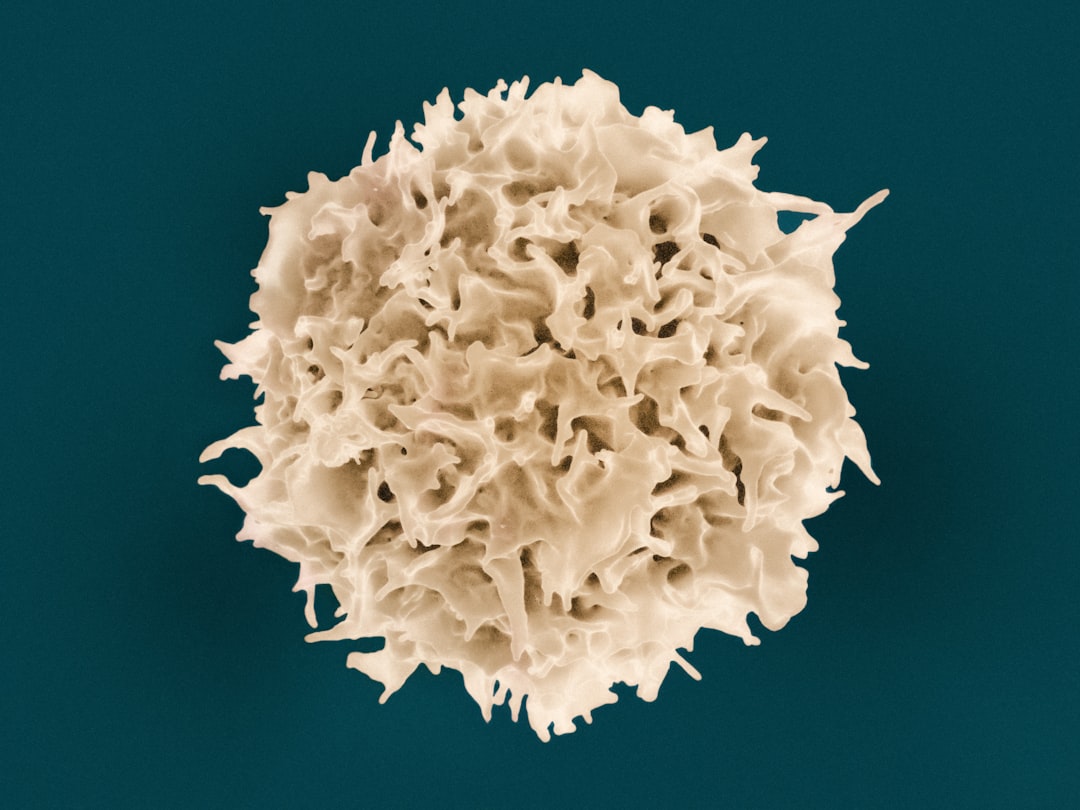
As individuals grow older, their immune systems often become imbalanced, increasing susceptibility to severe health issues. The study highlights how specific immune cells, known as macrophages, can become locked into an inflammatory cycle as the body ages, particularly within preclinical models. This dysfunction explains a critical vulnerability in the immune response of older adults.
This ongoing inflammation, termed “inflammaging,” contributes significantly to various age-related diseases and diminished healthspan. Understanding the precise mechanisms behind this chronic aging inflammation is vital for developing targeted interventions that could improve the quality of life and resilience against infections in the elderly population.
The Inflammatory Feedback Loop in Aging Macrophages
Researchers at the University of Minnesota identified a protein, GDF3, as a key player in this detrimental process. Aging macrophages produce GDF3, which then sends signals back to these same cells, reinforcing their inflammatory activity. This self-perpetuating loop ultimately exacerbates the body’s response to severe infections like sepsis.
The work, led by biochemistry graduate student In Hwa Jang, found that GDF3 operates through a pathway involving SMAD2/3. This interaction leads to lasting genomic changes within macrophages, causing them to release higher levels of inflammatory cytokines. Christina Camell, PhD, an associate professor at the University of Minnesota Medical School, explained, “Macrophages are critical to the development of inflammation; in our study, we identified a pathway which is used to maintain their inflammatory status.”
A Promising Target for Future Treatments
The findings offer a significant avenue for therapeutic development. Further experiments demonstrated that deleting the GDF3 gene substantially reduced harmful inflammatory responses to bacterial toxins. The research team also observed that medications designed to block the GDF3-SMAD2/3 signaling pathway altered the behavior of inflammatory macrophages in fat tissue and improved survival rates in older preclinical models exposed to severe infection.
Collaborating with Pamela Lutsey from the School of Public Health, the team analyzed data from the Atherosclerosis Risk in Communities Study (ARIC). This analysis revealed a direct link between GDF3 levels and inflammatory signaling in older adults, solidifying the relevance of these findings to human health. Dr. Camell emphasized, “Our findings suggest that this pathway could be blocked to prevent the amplified inflammation that can be damaging to organ function and may be a promising target for future treatments that reduce harmful inflammation.”
Building on this success, Dr. Camell received a 2025 AFAR Discovery Award from the American Federation for Aging Research to investigate how these inflammatory macrophages affect multiple metabolic organs and overall metabolic healthspan. This ongoing research promises to further unravel the complexities of aging inflammation and pave the way for novel interventions.
The discovery of this hidden immune loop provides a deeper understanding of why older adults struggle with severe infections and chronic conditions. By identifying GDF3 and its associated pathway as a key regulator of persistent inflammation, scientists have uncovered a crucial target for future therapies. This research offers hope for developing treatments that could dial back harmful immune overreactions, enhancing resilience and improving the health of our aging population.