In a significant scientific breakthrough, researchers have uncovered a novel natural sunscreen compound hidden within extremophile bacteria residing in hot springs. This discovery, detailed by ScienceDaily in January 2026, points towards a new generation of eco-friendly and biocompatible UV protection, potentially transforming the skincare industry.
The compound, identified as β-glucose-bound hydroxy mycosporine-sarcosine (GlcHMS326), is produced by thermophilic cyanobacteria. Unlike traditional chemical sunscreens, which often carry environmental and health concerns, this natural alternative offers impressive antioxidant power alongside its UV-blocking capabilities. The findings suggest a safer, more sustainable path for sun protection in the face of rising skin cancer rates and environmental awareness.
Cyanobacteria are renowned for their resilience in harsh environments, often generating unique chemical compounds to survive extreme stress. Among these are mycosporine-like amino acids (MAAs), small, water-soluble molecules known for absorbing ultraviolet (UV) radiation and neutralizing harmful free radicals. This particular MAA, however, stands out due to its unusual structure and a distinct biosynthetic pathway, never before observed.
The unique chemistry of natural sunscreen bacteria
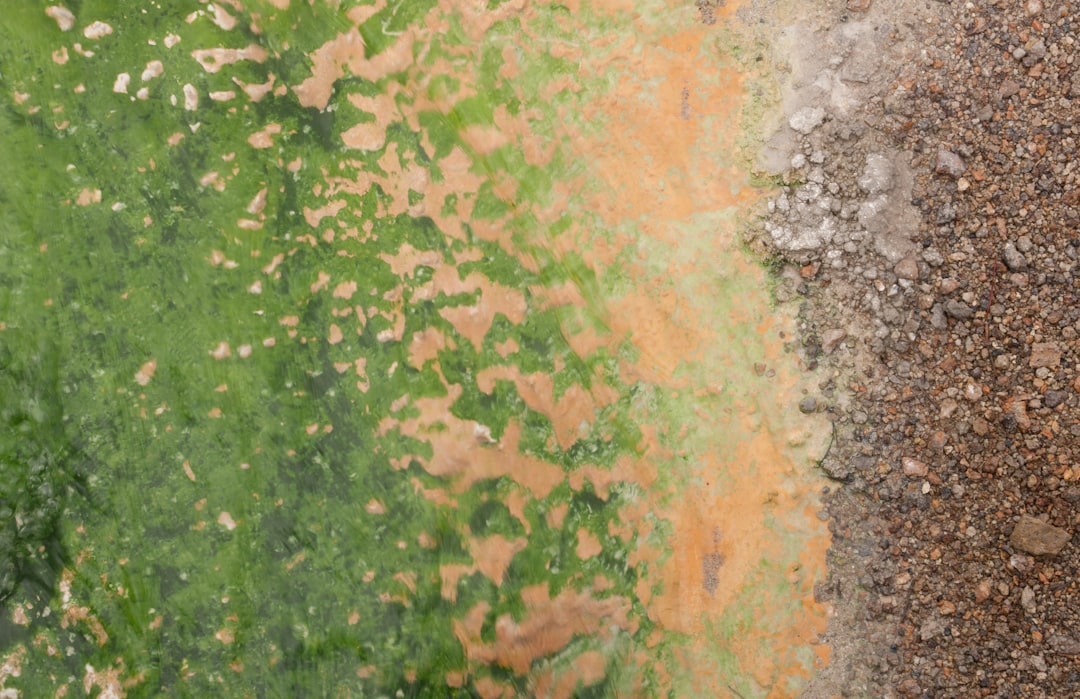
The research, led by Professor Hakuto Kageyama of Meijo University and Professor Rungaroon Waditee-Sirisattha of Chulalongkorn University, focused on cyanobacteria from hot springs in Thailand. They isolated eight strains from the Bo Khlueng hot spring, identifying one strain, Gloeocapsa species BRSZ, that produced GlcHMS326 when exposed to UV-A and UV-B light. This specific MAA undergoes three unique chemical modifications: glycosylation, hydroxylation, and methylation, which enhance its stability and UV absorption.
What makes GlcHMS326 particularly intriguing is its stress-triggered production. While the bacteria thrive in hot conditions, the compound’s synthesis is specifically ramped up under UV light and high salt stress, not heat. This adaptation mechanism highlights the incredible ingenuity of life in extreme environments and provides a clear blueprint for potential industrial biotechnology applications. The study, published in Science of The Total Environment, underscores the importance of exploring biodiversity for novel solutions.
Implications for eco-friendly UV protection
The discovery of GlcHMS326 and its unique biosynthetic pathway opens up significant avenues for industrial biotechnology. With growing consumer demand for safer and more sustainable products, this natural sunscreen bacteria compound could become a cornerstone of future skincare formulations. Its biocompatibility and antioxidant properties make it an ideal candidate for products designed to protect both human health and delicate ecosystems, particularly marine environments often impacted by conventional sunscreen chemicals.
Further research will likely explore scalable production methods for GlcHMS326, as well as its full spectrum of protective benefits and potential applications beyond sunscreens, such as in anti-aging or restorative skincare. This natural sunscreen bacteria offers a compelling vision for a future where effective protection comes from nature, not industrial chemicals.