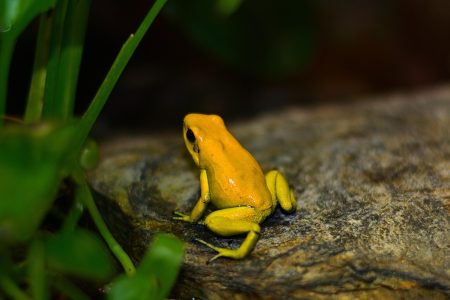
New research indicates the global spread of a deadly amphibian fungus, Batrachochytrium dendrobatidis (Bd), was significantly aided by the international frog meat trade, with a particular strain originating in Brazil. This century-old pathogen has devastated amphibian populations worldwide, wiping out hundreds of species.
The chytrid fungus, commonly known as Bd, is recognized as a primary driver behind the severe decline of amphibians across continents. Scientists have identified numerous genetic variants, collectively contributing to population crashes in at least 500 species of frogs and toads, highlighting an ongoing ecological crisis as detailed by the IUCN Red List.
For years, the exact origins and global dissemination routes of some virulent Bd strains remained debated. Recent findings, however, challenge previous assumptions, pointing towards a specific pathway that underscores the hidden biological risks inherent in the global wildlife trade, especially concerning the movement of live animals for consumption.
The bullfrog’s global journey
The international spread of the Bd fungus is now strongly linked to the commercial trade of bullfrogs (Aquarana catesbeiana), a species native to North America. These frogs, widely farmed for food, were first introduced to Brazil in 1935, and again in the 1970s. These movements inadvertently created new global pathways for the fungus.
A specific strain, Bd-Brazil, identified in 2012, was initially thought to have originated in the Korean Peninsula. However, a study published in Biological Conservation, supported by FAPESP, provides compelling evidence for its Brazilian origin. This strain has since been detected in the United States, Japan, and even the Korean Peninsula, confirming its widespread distribution.
Luisa P. Ribeiro, the study’s first author from the State University of Campinas (UNICAMP), notes, “This genotype is highly prevalent in different native Brazilian species, with very old records. When we look elsewhere, the records are much more recent and occur only in bullfrogs and other exotic species.” This suggests the strain’s deep roots in Brazil.
Unraveling the fungus’s past
Tracing the fungus’s historical distribution involved an extensive review of scientific literature, examination of museum specimens, and genetic analysis of fungal strains from Brazilian bullfrog farms and internationally traded bullfrogs. This multi-faceted approach allowed researchers to reconstruct the timeline and origin of the Bd-Brazil strain.
Earlier research from 2014, published in Molecular Ecology, indicated Bd-Brazil was present in Brazil by 1916, two decades before bullfrogs were introduced to the country. This finding, based on preserved frog specimens, was crucial in re-evaluating the strain’s true point of emergence.
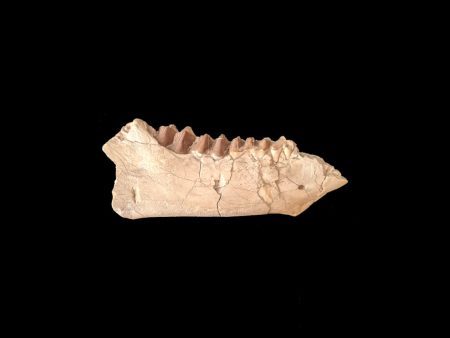
Luís Felipe Toledo, a professor at IB-UNICAMP and Ribeiro’s doctoral advisor, explained the challenges: “We were unable to identify the exact strain in a large sample of amphibians deposited in museums, since conservation isn’t always ideal for maintaining this information.” Despite this, researchers confirmed the fungus’s presence in 40 out of 2,280 specimens.
The oldest confirmed cases of Bd, though not specifically the Bd-Brazil strain, were found in five Alytes obstetricans frogs collected in 1915 from the Pyrenees region of France. These findings, as detailed by ScienceDaily, provide a broader historical context to the global spread of this devastating pathogen.
The re-evaluation of the Bd-Brazil strain’s origin and its link to the international frog meat trade offers critical insights into how human activities can inadvertently facilitate the spread of deadly pathogens. This research underscores the urgent need for stringent biosecurity measures and enhanced monitoring in wildlife trade to prevent future ecological catastrophes and protect vulnerable amphibian populations globally.