Scientists at the University of Southampton have engineered a new class of antibodies designed to supercharge the immune system against cancer, marking a significant advancement in immunotherapy. Published in Nature Communications, this innovative approach amplifies T-cell activation, enabling a more robust attack on tumor cells. The breakthrough offers a promising path for more effective cancer treatments.
Current antibody-based cancer therapies have transformed patient care, yet they do not achieve full efficacy for everyone, often because T cells, the immune system’s primary cancer fighters, receive only weak activation signals from tumors. This challenge has driven researchers to seek novel ways to enhance the body’s natural defenses, pushing the boundaries of what immunotherapy can achieve. The focus on strengthening inherent immune responses is critical for overcoming resistance and improving patient outcomes.
A novel approach to T-cell activation
The core of this innovation lies in a specially engineered antibody with four binding arms, a significant departure from the conventional two-armed structure. This design allows the antibody to grab and cluster multiple immune cell receptors simultaneously, specifically focusing on CD27, a key receptor on T cells. By forcing these receptors together, the antibodies dramatically amplify the activation signal, closely replicating the strong, natural immune response seen during infections, as reported by ScienceDaily.com.
Professor Aymen Al Shamkhani, who led the research at the University of Southampton’s Centre for Cancer Immunology, highlighted the challenge: “We already understood how the body’s natural CD27 signal switches on T cells, but turning that knowledge into a medicine was the real challenge.” This engineering feat addresses the critical issue of cancer cells failing to produce the necessary ligand to activate CD27 effectively, leaving T cells under-stimulated.
Outperforming conventional therapies
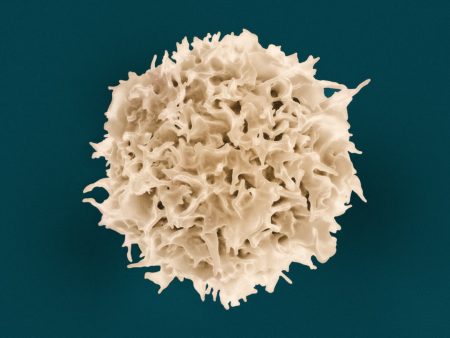
Laboratory tests, involving both mice and human immune cells, demonstrated that these new four-pronged antibodies significantly outperformed standard Y-shaped antibodies in activating CD8+ T cells. These ‘special forces’ of the immune system are renowned for their direct ability to destroy cancer cells. The enhanced activation translated into a much stronger anti-tumor response, confirming the potential of this novel design to elevate therapeutic efficacy.
This targeted approach, by making CD27 easier to engage therapeutically, establishes a clear roadmap for developing future immunotherapy treatments. It aims to harness the immune system’s inherent power more fully, potentially overcoming some of the limitations of existing treatments. Professor Al Shamkhani added that this could “help improve future cancer treatments by allowing the immune system to work closer to its full potential.”
This breakthrough from the University of Southampton, supported by Cancer Research UK, represents a pivotal step in cancer immunotherapy. By fundamentally rethinking antibody design to supercharge the immune system’s natural killing mechanisms, scientists are paving the way for therapies that could offer renewed hope for patients. The next phase will likely involve clinical trials to translate these promising laboratory findings into tangible benefits for human health, potentially redefining standards of care in oncology.