For nearly two weeks, Iran’s most extensive internet shutdown has choked the nation, crippling small and large businesses alike and compounding an already dire economic situation. This unprecedented digital blackout, initiated on January 8 amidst widespread protests, has severed vital connections, leaving countless enterprises unable to reach customers or conduct essential online operations.
The government’s drastic measure, a response to nationwide unrest that activists report has led to thousands of deaths, has severely restricted access to information and the outside world. While some domestic websites and partial Google functionality have intermittently returned, the sustained disruption has cast a long shadow over the future of Iranian commerce, particularly for those reliant on social media platforms like Instagram and Telegram.
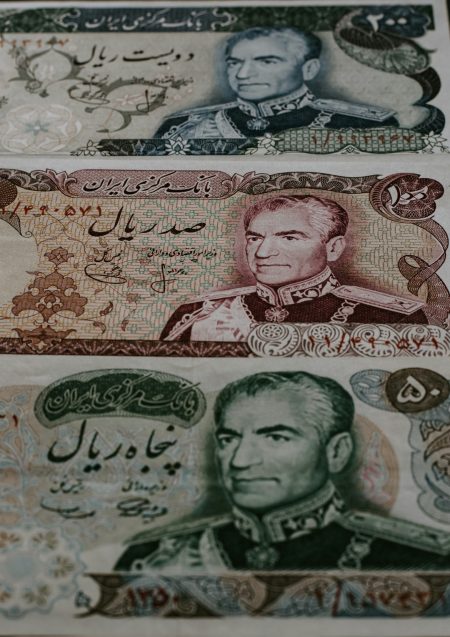
This digital isolation intensifies the economic pain already gripping Iran. The protests, which began in late December, were initially sparked by the drastic devaluation of the rial, which has plummeted from 32,000 to $1 a decade ago to over 1.4 million to $1. Escalating inflation and recent changes to gasoline prices had already strained household budgets, making the internet outage a devastating blow to a struggling populace.
The crippling cost of digital isolation
The financial toll of the internet shutdown is immense, with a deputy minister of communications and information technology, Ehsan Chitsaz, quoted by Iran’s state-run news agency IRNA, estimating daily losses between $2.8 million and $4.3 million. This figure underscores the critical role digital connectivity plays in the modern Iranian economy, a role now severely undermined by state-imposed restrictions.
Many businesses, particularly smaller ones, had shifted their operations online to navigate the challenging economic landscape and reach a broader customer base. A pet shop owner in Tehran, speaking anonymously to Fast Company, reported a staggering 90% drop in business since the blackout. He explained, “Before that, I mainly worked on Instagram and Telegram which I don’t have access to anymore. The government has proposed two domestic alternatives. The point is our customers are not there—they don’t use it.”
Exacerbating an already fragile economy
Beyond the immediate financial losses, the prolonged internet shutdown in Iran erodes trust and discourages innovation, particularly in the tech and e-commerce sectors. Entrepreneurs and digital service providers face an uncertain future, as the reliability of internet access becomes a constant threat to their livelihoods. This instability could drive talent and investment away, further isolating Iran from the global digital economy.
The economic hardship extends beyond online businesses. The inability to access international payment systems, communicate with overseas partners, or even process domestic digital transactions creates a ripple effect across all sectors. As the Iranian rial continues its freefall against major currencies, the internet blackout acts as another heavy anchor, preventing any potential for economic recovery and deepening the crisis for everyday citizens and businesses alike.
According to a report by the World Bank, Iran’s economy has faced significant challenges due to sanctions and internal policies, leading to high inflation and reduced private sector activity. The current internet restrictions only compound these existing vulnerabilities, making it nearly impossible for businesses to adapt or seek new markets, even domestically.
The ongoing internet shutdown in Iran is more than a temporary inconvenience; it is a profound economic shockwave, devastating businesses already on the brink and stifling any hope for digital growth. While the immediate focus remains on restoring stability, the long-term consequences for Iran’s economy, its entrepreneurs, and its connection to the global digital landscape will undoubtedly be severe, requiring significant time and trust to rebuild.