Iran’s cryptocurrency ecosystem is reportedly approaching an $8 billion valuation, a significant figure that comes alongside increased scrutiny over the Revolutionary Guard Corps (IRGC)’s expanding footprint within this digital economy and a notable surge in Bitcoin withdrawals during widespread protests. This complex landscape, detailed in recent analyses, suggests a dual role for crypto in the nation.
The growth of the Iran crypto ecosystem reflects both a burgeoning interest in digital assets among the populace and strategic maneuvering by state-affiliated entities. Sanctions have long pushed Iran towards alternative financial mechanisms, making cryptocurrencies an appealing, albeit volatile, option for cross-border transactions and wealth preservation.
This dynamic environment presents a unique challenge for international observers, as the lines between legitimate individual use and state-sponsored activities, particularly by groups like the IRGC, become increasingly blurred. Understanding these intricate flows is crucial for assessing global financial security and regulatory compliance.
IRGC’s growing influence and the $8B valuation
A report by Chainalysis, a leading blockchain analytics firm, indicates that Iran’s crypto market is nearing an $8 billion valuation. This substantial growth is not solely driven by individual adoption but also by the strategic involvement of powerful state actors. The IRGC, a designated terrorist organization by several countries, reportedly leverages cryptocurrencies to circumvent international sanctions, finance operations, and manage illicit funds.
This financial activity allows the IRGC to maintain its economic power despite severe restrictions on traditional banking channels. Experts like Dr. Karim Sadjadpour, a senior fellow at the Carnegie Endowment for International Peace, note that “the IRGC’s increasing sophistication in crypto usage poses a direct threat to global anti-money laundering efforts and regional stability.” The ease of international transfers and the perceived anonymity make digital assets attractive for such groups.
Bitcoin withdrawals surge during protests
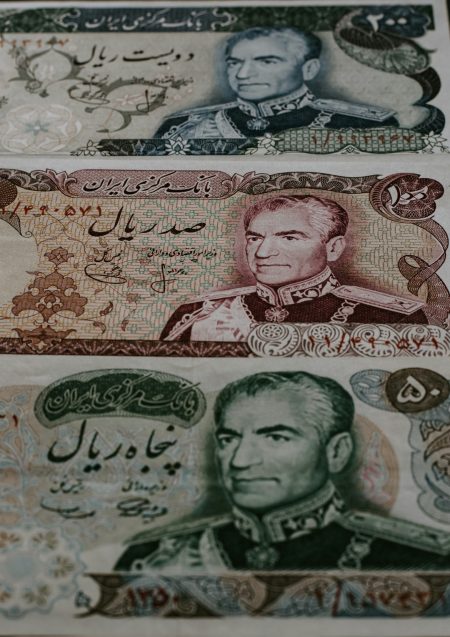
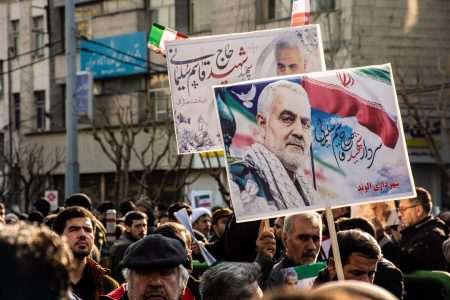
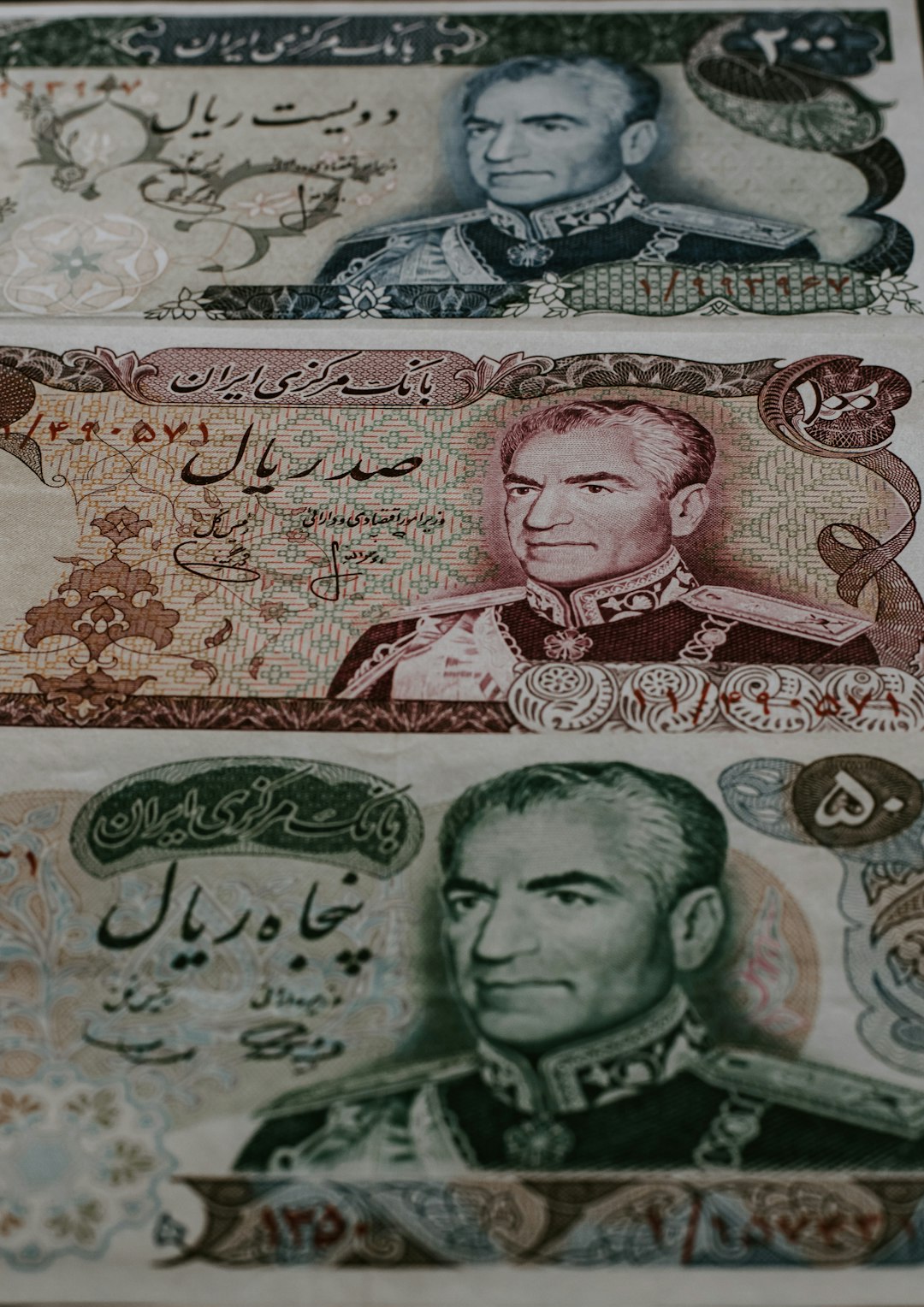
During significant periods of anti-government protests in Iran, such as those seen in recent years, there has been a marked increase in Bitcoin withdrawals from exchanges. This trend suggests that citizens may be turning to cryptocurrencies as a hedge against economic instability and a means to preserve assets when confidence in traditional banking systems or the national currency, the Rial, wanes.
Data from various crypto exchanges and analytics platforms corroborate this pattern, showing spikes in transaction volumes coinciding with major protest waves. For many Iranians, digital currencies offer a perceived sanctuary from inflation and a way to access funds outside the state’s direct control, providing a critical financial lifeline during times of political turmoil and economic uncertainty.
The rapid expansion of the Iran crypto ecosystem, coupled with the IRGC’s deepening involvement and the surge in withdrawals during protests, paints a complex picture of digital finance in a highly sanctioned nation. Future developments will likely depend on the evolving regulatory landscape, the effectiveness of international sanctions, and the ongoing domestic political climate, all of which continue to shape how cryptocurrencies are used and perceived within Iran.