Nvidia co-founder and CEO, Jensen Huang, has been awarded the prestigious IEEE Medal of Honor at the Consumer Electronics Show (CES) on January 6, recognizing his profound contributions to accelerated computing. This significant accolade, established in 1917, includes a $2 million prize, highlighting Huang’s pivotal role in driving technological advancements, particularly in artificial intelligence.
Huang, a veteran leader in the tech industry since co-founding Nvidia in 1993, has steered the company through decades of innovation, transforming specialized chips like Graphics Processing Units (GPUs) into foundational tools for various fields. His leadership has been instrumental in making high-performance computing accessible, impacting everything from video game rendering to complex scientific research and the burgeoning AI landscape. The recognition underscores a career dedicated to pushing the boundaries of what computing can achieve.
The timing of this award coincides with Nvidia’s unprecedented market performance, having reached a peak valuation of $5 trillion in October, now maintaining over $4 trillion. As reported by Fast Company on January 6, 2026, the company’s chips are the backbone of much of today’s artificial intelligence infrastructure, powering large language models like ChatGPT and enabling advancements in autonomous vehicles and industrial robotics. This makes the Jensen Huang IEEE award particularly relevant as AI continues to reshape global industries.
The evolution of accelerated computing
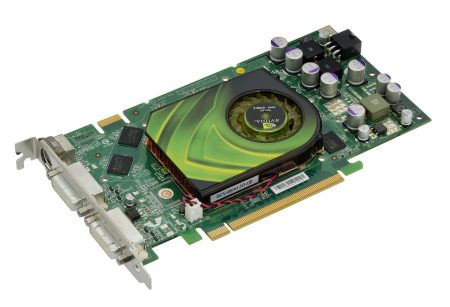
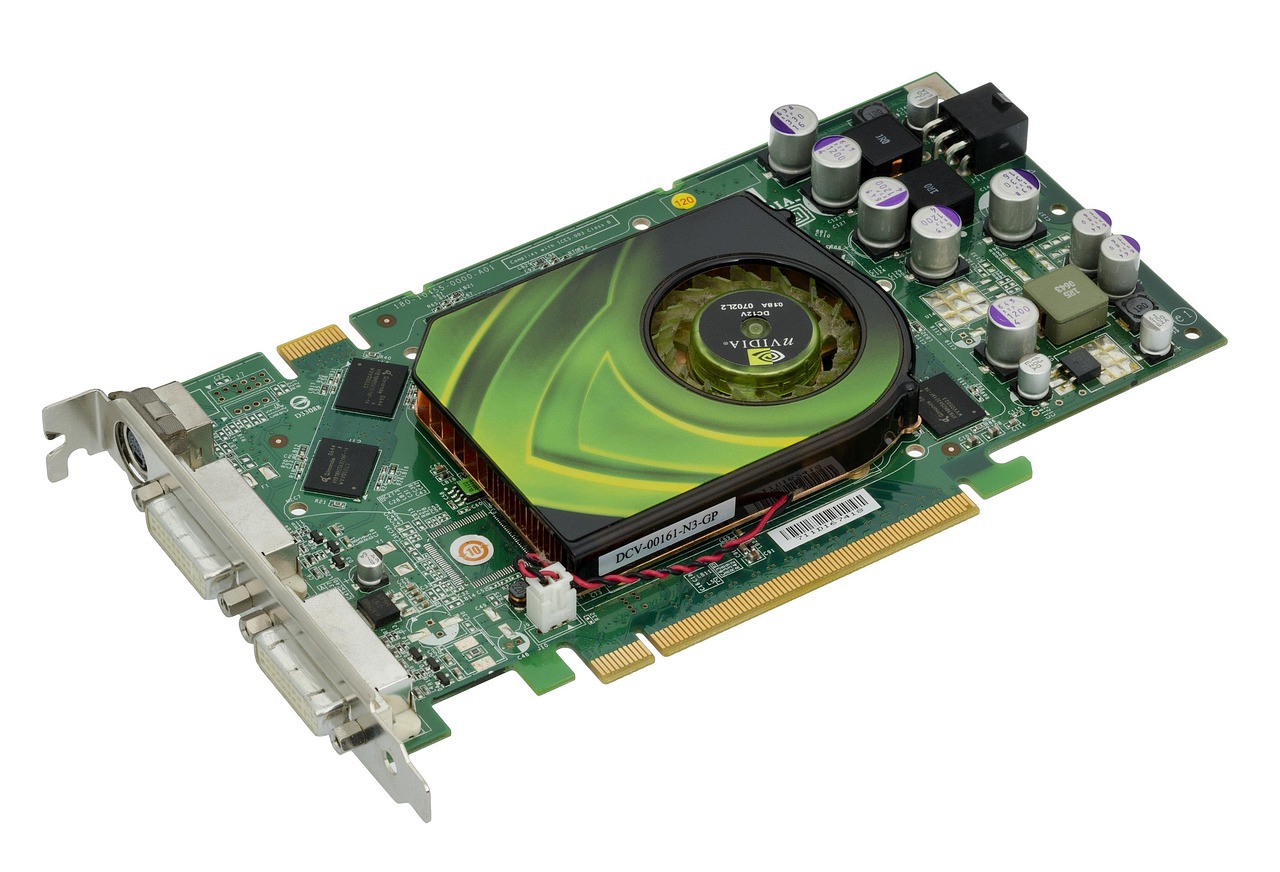
Huang’s vision for accelerated computing began to materialize with the release of Nvidia’s first GPU, the GeForce 256, in 1999. Initially celebrated for revolutionizing computer gaming by enabling unprecedented graphical detail, the company, under Huang’s guidance, soon embarked on developing CUDA (Compute Unified Device Architecture). This proprietary platform allowed developers to leverage the parallel processing power of Nvidia’s chips for a broad spectrum of computational tasks, far beyond graphics rendering.
The strategic foresight behind CUDA proved critical for the recent explosion in AI capabilities. By providing a robust and flexible framework for parallel processing, Nvidia’s hardware and software ecosystem became indispensable for training and deploying complex AI models. Mary Ellen Randall, President and CEO of IEEE, emphasizes this impact: “It just is so important to have this kind of compute power at our fingertips, to be able to make advances so quickly.” This infrastructure has cemented Nvidia’s position at the forefront of the AI revolution, with its technology underpinning many of the most advanced AI applications today.
Nvidia’s market dominance and future challenges
Nvidia’s staggering market capitalization, despite recent fluctuations, reflects its essential role in the current technological paradigm. While the company’s valuation has seen a slight dip from its October high amid discussions about a possible “AI bubble” and concerns over Nvidia’s investments in AI firms that also purchase its chips, its market standing remains formidable. The global demand for AI software, optimized to run on Nvidia’s specialized chips, continues to drive significant growth, as highlighted by recent industry analyses.
The company’s sustained success and Huang’s recognition by the IEEE highlight the enduring impact of his work. As industries worldwide increasingly integrate AI, the foundational technologies pioneered by Nvidia under Huang’s leadership will remain critical. However, the path ahead involves navigating intense competition, evolving regulatory landscapes, and the inherent volatility of rapidly expanding markets. The Jensen Huang IEEE award not only celebrates past achievements but also signifies the ongoing importance of innovation in the accelerated computing space.
Jensen Huang’s receipt of the IEEE Medal of Honor is a testament to his transformative influence on computing and technology. His relentless pursuit of accelerated computing, from early GPUs to the CUDA platform, has laid the groundwork for the current AI revolution. While market dynamics present ongoing challenges, the foundational contributions recognized by this prestigious award underscore Nvidia’s indispensable role in shaping our technological future, pointing towards continued advancements driven by powerful, specialized processing.