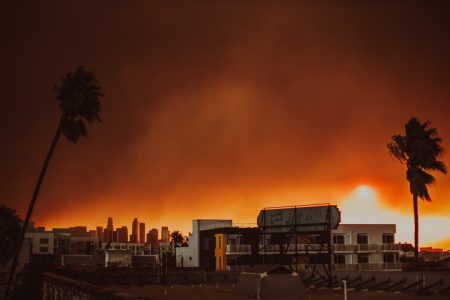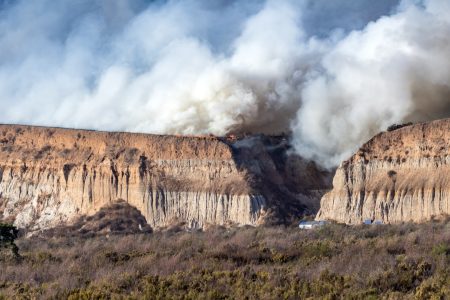
One year after the devastating Los Angeles wildfires, the United States continues to grapple with the complexities of effective disaster response. These catastrophic events, particularly the simultaneous blazes in Pacific Palisades and Altadena, underscored profound challenges in emergency management and community resilience across the nation.
The fires, which became the costliest wildfire event in US history, highlighted an emerging reality: America is entering a growing age of disaster. Understanding the aftermath offers vital insights into the systemic failures and moments of unexpected heroism that define our current preparedness landscape.
As journalist and author Jacob Soboroff details in his book Firestorm, the incidents serve as a stark reminder of vulnerabilities exposed when nature’s fury meets densely populated areas. His work, as discussed in an interview with Fast Company, provides a critical lens on how the nation’s recovery efforts inform its capacity for future crises.
Systemic failures and the human element in crisis
The LA wildfires revealed a troubling gap between predictive capabilities and on-the-ground readiness. Despite the National Weather Service forecasting a “particularly dangerous situation” with hurricane-force Santa Ana winds exceeding 80 mph, the scale of the conflagration overwhelmed existing protocols.
One fire, in the Palisades, stemmed from a holdover arson incident seven days prior. The Eaton Fire in Altadena, meanwhile, is theorized to have originated from faulty electrical equipment. Both escalated into urban infernos, racing through communities and displacing tens of thousands with alarming speed.
Experts suggest that while conditions—dry landscapes, high winds, dense housing—were unprecedented in their combination, the response mechanisms were not adequately scaled. This points to a broader issue in US disaster response, where planning often lags behind the escalating intensity and frequency of climate-driven events.
However, amidst the chaos, stories of unlikely heroics emerged, from first responders pushing beyond their limits to community members organizing self-help networks. These acts underscore the critical role of human ingenuity and local solidarity in filling the gaps left by institutional shortcomings.
Building resilience: Lessons for future emergency management
A year on, the recovery efforts from the LA wildfires offer a blueprint for enhancing future emergency management. One crucial lesson is the imperative for proactive infrastructure upgrades. Investing in resilient power grids and fire-resistant building materials can mitigate initial sparks and slow the spread of destruction.
Furthermore, communication systems require significant improvement. Early warning systems, even when accurate, must translate into clear, actionable evacuation orders that reach all affected populations promptly. This demands better coordination between federal, state, and local agencies, as highlighted in a recent Government Accountability Office report on disaster preparedness.
The psychological and economic toll of such disasters also necessitates long-term support structures. Post-fire recovery extends far beyond extinguishing flames; it encompasses rebuilding homes, livelihoods, and mental health. Sustainable recovery models must integrate community-led initiatives with robust government aid.
Ultimately, the LA wildfires underscore that effective US disaster response is not merely about reacting to an event. It demands a forward-thinking strategy that anticipates the impacts of a changing climate, strengthens infrastructure, empowers local communities, and fosters seamless inter-agency cooperation.
The lessons from a year ago in Los Angeles are clear: the nation must evolve its approach from reactive measures to comprehensive, adaptive resilience. Only then can it truly prepare for and navigate the inevitable crises of an increasingly volatile future.