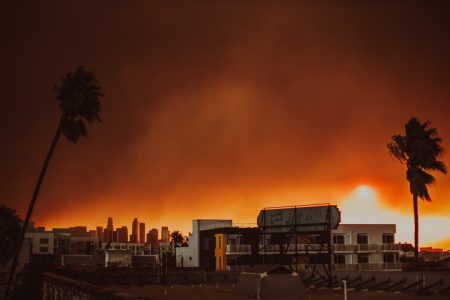
A year after the devastating Los Angeles wildfires, critical vulnerabilities in US disaster response have become starkly evident, underscoring an urgent need for systemic reform in emergency management and community resilience against escalating climate threats.
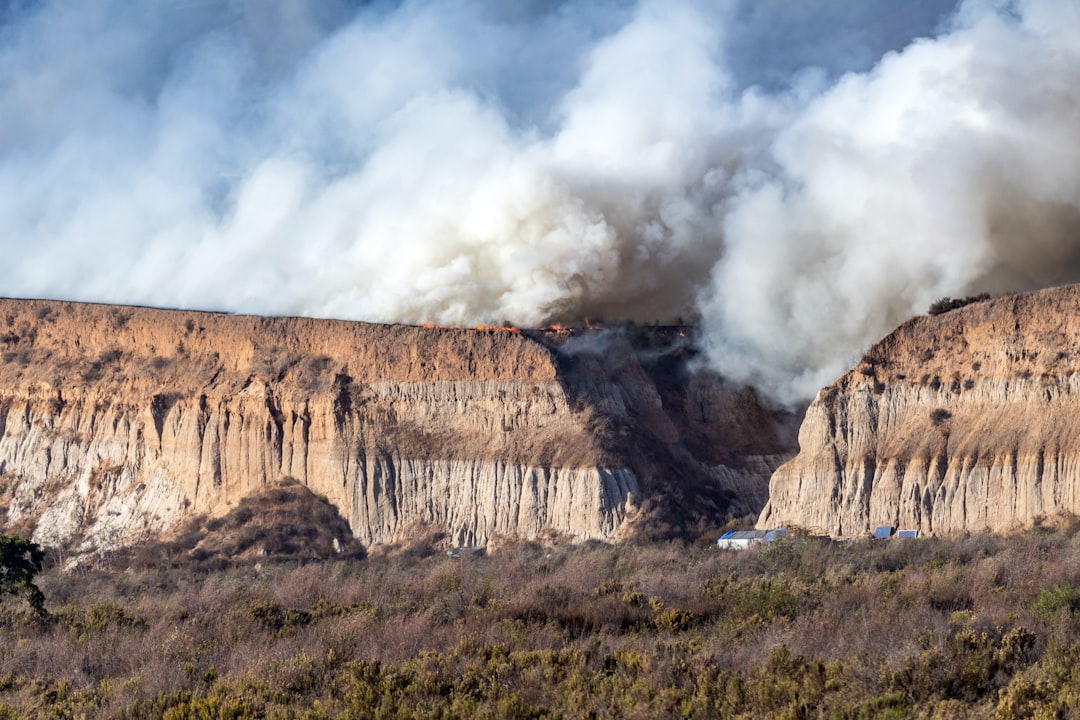
The 2025 infernos, particularly in the Pacific Palisades and Altadena, were fueled by a combination of arson, faulty infrastructure, and unprecedented Santa Ana winds, collectively marking one of the nation’s costliest wildfire events. These blazes swept through densely populated coastal enclaves and mountain foothills, causing billions in damages and displacing thousands.
As journalist Jacob Soboroff explores in his new book “Firestorm,” and shared insights with Fast Company, these catastrophic events serve as a potent case study for understanding the broader challenges facing America’s growing age of disaster, from prediction failures to recovery complexities.
Unpacking systemic vulnerabilities in emergency management
Soboroff’s analysis highlights how predicted hurricane-force winds, exceeding 80 miles per hour, met a tinder-dry landscape and densely populated areas, leaving communities critically unprepared despite warnings from the National Weather Service. The dual origins of the fires—a holdover arson in the Palisades and suspected faulty electrical equipment in Altadena—underscore varied ignition points but a uniform, rapid spread.
Official assessments, including preliminary reports from the Federal Emergency Management Agency (FEMA), often point to persistent challenges in inter-agency coordination and resource allocation. During multi-front crises, the strain on local and state resources quickly becomes overwhelming, exposing gaps in a fragmented national response framework. The economic toll alone, estimated at over $5 billion, stresses the imperative for more robust preventative infrastructure and agile deployment strategies.
These events reveal that while heroic efforts often emerge, the underlying systems for prevention, early detection, and rapid suppression are frequently overwhelmed. This includes everything from outdated electrical grids in high-risk zones to insufficient community-level evacuation planning, a point consistently raised by disaster preparedness experts.
Forging a path toward stronger climate resilience
Learning from the LA wildfires means a concerted investment in advanced early warning systems, such as enhanced satellite monitoring for real-time wildfire detection and improved public communication channels. Proactive landscape management, including strategic thinning and controlled burns, becomes vital in reducing fuel loads, as advocated by the U.S. Forest Service.
Local communities must also be empowered with clear, actionable plans for developing and practicing evacuation routes and shelter protocols. Infrastructure upgrades are critical; for instance, undergrounding power lines in high-risk areas could significantly mitigate ignition sources, a strategy explored by utility companies in California following previous fire seasons. The National Institute of Standards and Technology (NIST) consistently advocates for building codes that prioritize fire-resistant materials in at-risk regions, a crucial step for urban interfaces.
Moreover, fostering a culture of individual and collective preparedness, where residents understand their roles in mitigation and response, is as important as governmental action. This integrated approach, combining technological innovation, policy reform, and community engagement, forms the bedrock of true climate resilience.
The year since the LA wildfires offers a stark reminder: effective US disaster response demands a proactive, integrated approach that moves beyond reactive measures. Addressing the escalating impacts of climate change and strengthening local and national emergency frameworks are not merely options but necessities for safeguarding communities against future catastrophes, ensuring a more resilient nation.