Long COVID, a debilitating condition affecting an estimated 65 million people globally, continues to pose a significant public health challenge. Symptoms persist for months after the initial SARS-CoV-2 infection, impacting various organ systems with no clear medical explanation or approved treatments.
Recent scientific findings are shedding light on the underlying biological mechanisms fueling this complex illness. Evidence points strongly towards ongoing low-level inflammation and the formation of tiny blood clots, or microclots, as primary drivers of long COVID symptoms.
Understanding these mechanisms is crucial for developing effective therapies. Researchers are exploring a wide array of potential interventions, from structured rehabilitation programs to experimental drugs targeting specific biological pathways.
Understanding the biological drivers of long COVID
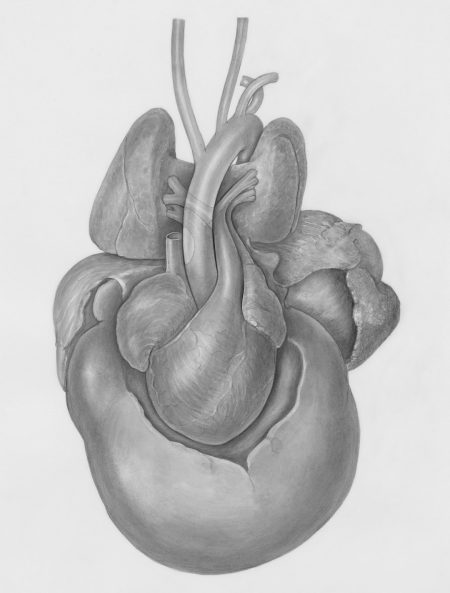
The intricate nature of long COVID stems from several overlapping biological problems within the body. A key factor is persistent low-grade inflammation, characterized by elevated markers such as IL-1β, IL-6, and TNF-α. This chronic inflammatory state can damage multiple organs, including the heart, brain, and blood vessels, leading to a cascade of symptoms.
Another critical element identified is the formation of microclots. These tiny blood clots are believed to arise from interactions between the viral spike protein and fibrinogen, a protein involved in blood clotting. These microclots can impair blood flow, contributing to conditions like small-fiber neuropathy and general fatigue.
Additional contributing factors under investigation include autoimmunity, where the body’s immune system mistakenly attacks its own tissues, and disruptions in gut bacteria, which play a vital role in overall health. Impaired mitochondrial function, affecting cellular energy production, also appears to play a role.
According to a report highlighted by ScienceDaily on January 8, 2026, these combined processes can lead to widespread issues. These include blood vessel dysfunction, heart inflammation, neuro-inflammation, and problems with blood sugar regulation, among others. The findings underscore why long COVID presents such a diverse range of symptoms across different individuals.
Emerging treatments and promising research avenues
While a definitive cure for long COVID remains elusive, research into potential treatments is advancing rapidly. For individuals with milder symptoms, non-drug approaches are often the first line of defense. Clinical trials have shown that online, group-based physical and mental rehabilitation programs can significantly improve quality of life.
Breathing exercises and inspiratory-muscle training have also demonstrated benefits in boosting heart and lung fitness. Other strategies include carefully pacing daily activities, cognitive and speech therapy, and dietary counseling. However, it is crucial that exercise programs are gradual and supervised, as excessive activity can worsen inflammation in some patients.
Pharmacological interventions are also under intense scrutiny. Antiviral drugs administered during the initial COVID-19 infection, such as ensitrelvir and nirmatrelvir/ritonavir, have shown a modest reduction in the risk of developing long COVID. This suggests that early intervention may play a role in preventing chronic symptoms.
Researchers are actively exploring medications that target specific complications. Low-dose naltrexone has shown promise in reducing fatigue and platelet aggregation. Apheresis, a procedure to remove microclots and auto-antibodies, is also being tested, though its benefits can be short-lived. A particularly active area of research focuses on reducing inflammation at its source.
Metformin, when started within seven days of infection, lowered the risk of long COVID by 41%, possibly by affecting mTOR signaling pathways. Plant-based supplements like quercetin, curcumin, and piperine have also shown improvements in fatigue compared to placebo. Further multi-center trials are underway for drugs like baricitinib and rapamycin, which aim to interrupt widespread inflammation.
The journey to fully understand and treat long COVID is ongoing. While clear answers are still limited by the need for larger, definitive trials, the focus on core mechanisms like long COVID inflammation and microclots offers a more targeted approach to developing effective therapies. Future research will likely continue to explore these pathways, alongside interventions targeting gut health and energy metabolism, bringing hope to millions affected worldwide.