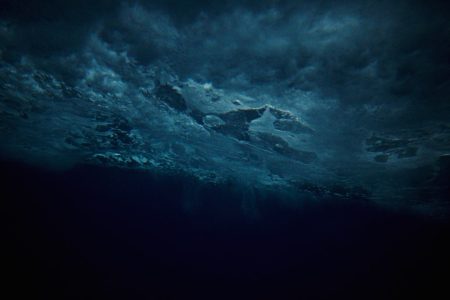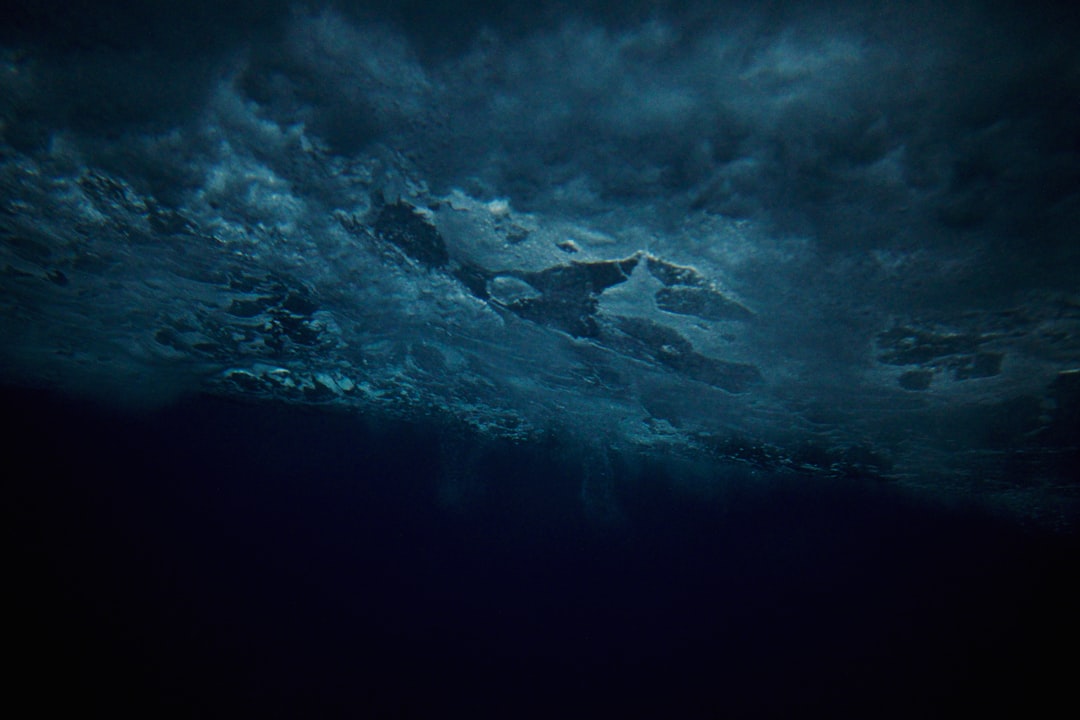
A newly recognized threat, dubbed “marine darkwaves,” is plunging parts of the ocean into sudden, prolonged darkness, endangering critical underwater ecosystems. These hidden ocean blackouts, caused by factors like severe storms, sediment runoff, and algae blooms, dramatically reduce sunlight reaching the seafloor, putting light-dependent marine life at severe risk. An international team of scientists has developed the first framework to identify and compare these events, as reported by ScienceDaily.com on January 14, 2026.
For years, the focus in marine conservation has largely been on gradual declines in water clarity. However, this groundbreaking research highlights the immediate and intense impact of these short-lived, yet potent, periods of underwater darkness. They can transform vibrant coastal waters into near-night, disrupting the delicate balance of marine environments.
Understanding these events is crucial because light is a fundamental driver of marine productivity. Organisms like kelp forests, seagrass meadows, and corals rely on photosynthesis for survival. Any significant reduction in light can impair their growth, health, and overall ecological function, leading to cascading effects throughout the food web.
Unveiling the hidden ocean blackouts
Scientists previously lacked a consistent method to measure extreme losses of underwater light across different regions. This new framework, detailed in Communications Earth & Environment, provides a standardized system for evaluating these marine darkwaves. It allows researchers to compare events globally, offering a clearer picture of their prevalence and intensity.
The research team analyzed extensive long-term data, including 16 years of measurements from the Santa Barbara Coastal Long Term Ecological Research Site (LTER) and 10 years from New Zealand coastal locations. Satellite data along New Zealand’s East Cape provided an additional 21 years of seafloor light estimates. These datasets revealed that marine darkwaves could last from a few days to over two months, with some instances almost completely eliminating light on the seabed.
Lead author François Thoral, a postdoctoral fellow at the University of Waikato and Earth Sciences New Zealand, emphasized the significance. “Light is a fundamental driver of marine productivity, yet until now we have not had a consistent way to measure extreme reductions in underwater light,” Thoral stated, highlighting the framework’s utility. The study identified dozens of darkwave events along the East Cape alone since 2002, many linked to powerful storms such as Cyclone Gabrielle.
Lasting consequences for coastal ecosystems
Even brief periods of reduced light can severely impair photosynthesis in critical habitats like kelp forests, seagrass, and coral reefs. These ecosystems are vital nurseries, feeding grounds, and protective barriers for countless species. The disruption caused by marine darkwaves can lead to widespread stress and mortality for these foundational organisms, impacting biodiversity.
Beyond plants and corals, these dark periods also influence the behavior of fish, sharks, and marine mammals, according to co-author Bob Miller, a research biologist at UC Santa Barbara’s Marine Science Institute. “Even short periods of reduced light can impair photosynthesis in kelp forests, seagrass and corals,” Miller explained. “When darkness persists, the ecological effects can be significant.”
The marine darkwave framework joins existing tools for monitoring other ocean stressors like marine heatwaves, ocean acidification, and deoxygenation. This integrated approach offers coastal communities and conservation groups a more comprehensive understanding of when marine ecosystems are under intense and immediate threat. Continued research, like that planned by UCSB on the effects of sedimentation and turbidity—influenced by fires and mudslides—on California’s kelp forests, is essential for mitigation strategies. Such efforts are critical for safeguarding the future of our oceans against these hidden blackouts.