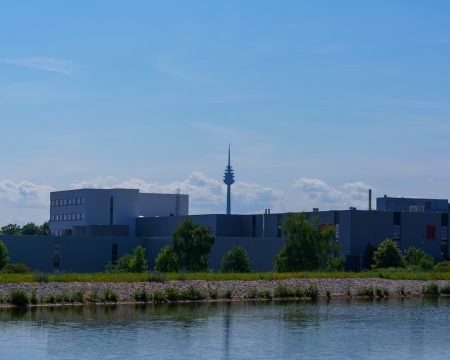
Meta Platforms has forged significant nuclear power agreements with TerraPower, Oklo, and Vistra, securing a robust energy supply for its rapidly expanding artificial intelligence data centers. These strategic Meta nuclear power deals underscore the tech giant’s commitment to powering its energy-intensive AI infrastructure, particularly the Prometheus AI data center under construction in New Albany, Ohio, anticipated to come online this year.
The push into nuclear energy highlights the escalating power requirements of AI, a challenge that traditional renewable sources alone may struggle to meet consistently. By integrating nuclear power, Meta aims to ensure a stable, firm, and carbon-free energy supply, crucial for the uninterrupted operation of its massive computational facilities. This move reflects a broader industry trend seeking reliable, high-density energy solutions.
These agreements, involving both new reactor development and purchases from existing plants, are projected to support up to 6.6 gigawatts of clean energy by 2035. This ambitious target positions Meta as a key player in the evolving energy landscape for large-scale digital infrastructure, according to a recent report by Fast Company.
The strategic shift to firm, clean power
Meta’s decision to embrace nuclear power signals a critical evolution in how major tech companies address their environmental footprint and operational reliability. Unlike intermittent renewables such as solar and wind, nuclear energy provides continuous, “firm” power, essential for the always-on demands of AI data centers. This reliability helps mitigate the risks associated with grid instability and ensures consistent performance for advanced AI models.
The partnership with TerraPower, a company backed by Bill Gates, will fund the development of two new Natrium units, capable of generating up to 690 megawatts by 2032. Furthermore, Meta secures rights for energy from an additional six Natrium units, aiming for 2.1 gigawatts by 2035. This long-term investment in advanced nuclear technology demonstrates a proactive approach to future energy needs.
Beyond new developments, Meta is also acquiring over 2.1 gigawatts from two operational Vistra nuclear plants in Ohio, with additional energy from expansions there and a third Vistra plant in Pennsylvania. A separate agreement with Oklo, known for its micro-reactor technology and backed by OpenAI’s Sam Altman, will foster a 1.2 gigawatt power campus in Pike County, Ohio, further bolstering regional data center energy.
Broader implications for energy infrastructure
These Meta nuclear power deals extend beyond merely powering data centers; they represent a significant investment in strengthening America’s nuclear supply chain and creating jobs. The company stated that these projects “add reliable and firm power to the grid, reinforce America’s nuclear supply chain, and support new and existing jobs to build and operate American power plants.” This contributes to energy independence and technological leadership.
The sheer scale of energy required by AI, with data centers consuming vast amounts of electricity, makes nuclear an increasingly attractive option for tech giants. According to the U.S. Energy Information Administration (EIA), data center electricity consumption is projected to rise significantly in the coming years, placing immense pressure on existing grids and demanding innovative solutions. Learn more about energy consumption trends.
Experts like John Kelly, a senior energy analyst at Argonne National Laboratory, highlight that “the energy density and continuous output of nuclear power are uniquely suited to the demands of hyperscale computing, offering a path to decarbonization without sacrificing reliability.” This perspective supports Meta’s strategic pivot, suggesting a potential blueprint for other energy-intensive industries.
Meta’s substantial investment in nuclear power through these agreements marks a pivotal moment for both the tech and energy sectors. It underscores the urgent need for scalable, reliable, and clean energy sources to fuel the AI revolution. As data center demands continue their exponential growth, these Meta nuclear power deals could pave the way for a broader adoption of nuclear energy, reshaping how future digital infrastructure is powered and sustained.