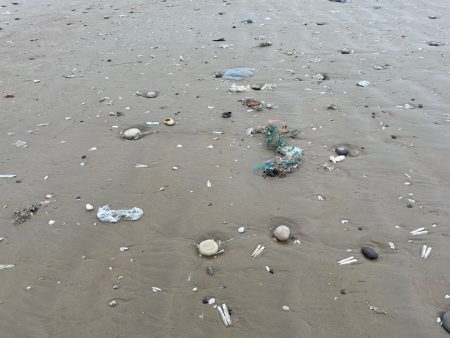
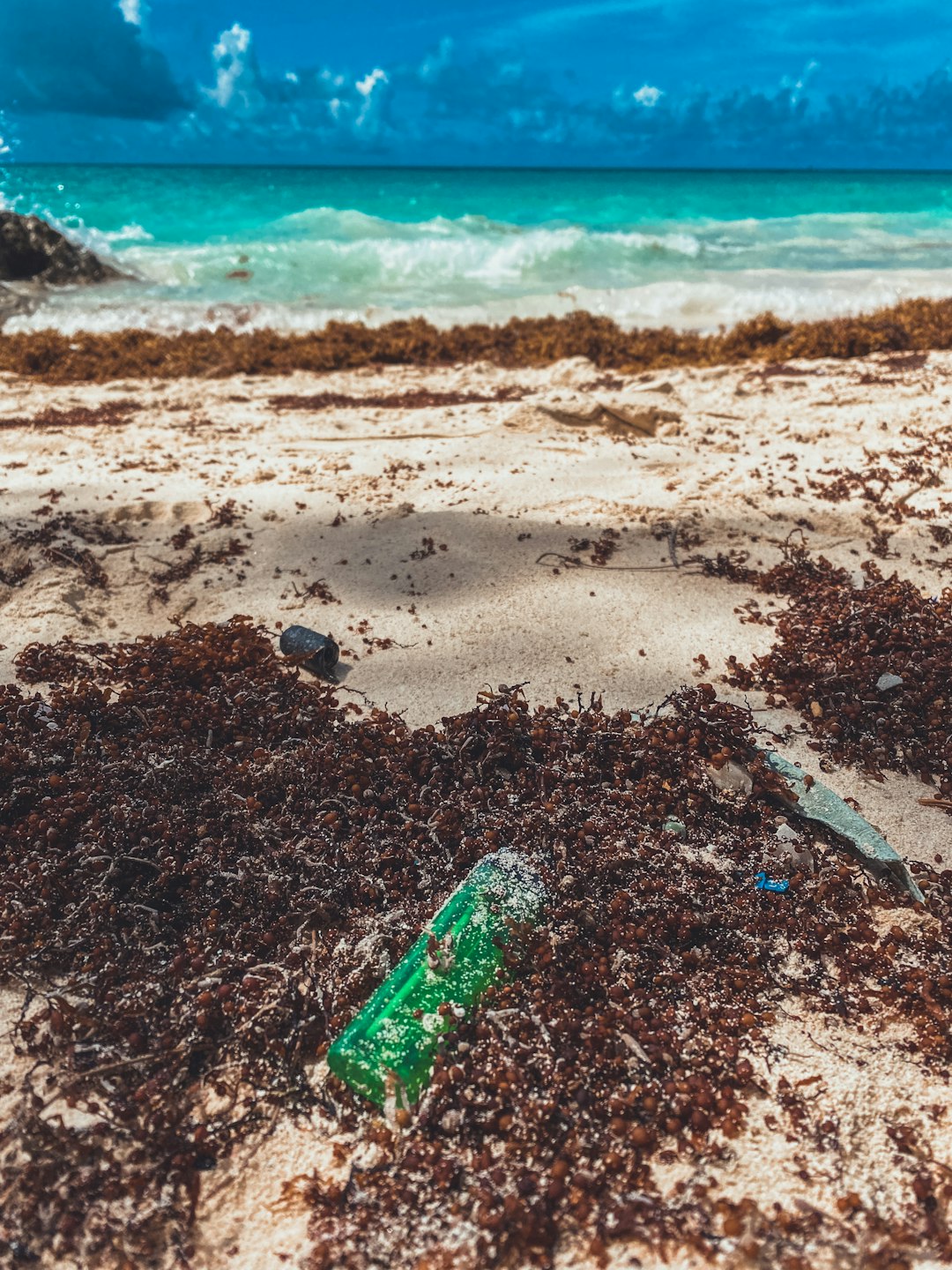
Tiny plastic particles drifting through the oceans may be quietly weakening one of Earth’s most powerful climate defenses. New research suggests microplastics are disrupting marine life that helps oceans absorb carbon dioxide, while also releasing greenhouse gases as they break down. This interference reduces the ocean’s ability to regulate global temperatures, making plastic pollution a hidden driver of global warming.
Scientists are raising new concerns after a study revealed microplastics are interfering with the ocean’s ability to absorb carbon dioxide, a process vital for regulating Earth’s temperature. These microscopic fragments, under five millimeters, have infiltrated nearly every corner of the planet, from deep seas to Arctic ice. For context on these pervasive pollutants, see NOAA’s overview.
Their pervasive presence presents escalating environmental risks, carrying toxic substances that harm wildlife and ecosystems. Despite the global urgency of climate change, the critical connection between microplastics and climate systems has received insufficient attention, particularly in marine environments.
As researchers explained in a study published in the Journal of Hazardous Materials: Plastics, microplastics ‘influence biogeochemical processes, disrupt oceanic carbon pumps, and contribute directly to greenhouse gas emissions,’ intertwining two major environmental challenges.
How microplastics disrupt ocean carbon cycling
In ocean ecosystems, microplastics impede natural carbon storage by affecting phytoplankton and zooplankton, organisms essential to carbon cycling. The study also highlights the role of the ‘plastisphere,’ a unique community of microbes forming on the surface of microplastics. This microbial layer significantly contributes to greenhouse gas production through its complex biological activity.
Dr. Ihsanullah Obaidullah, Associate Professor of Integrated Water Processing Technologies at the University of Sharjah and the study’s corresponding author, emphasized the findings. ‘Our study shows they also interfere with the ocean’s ability to absorb carbon dioxide, a process critical for regulating Earth’s temperature,’ he stated.
He added that ‘Microplastics disrupt marine life, weaken the ‘biological carbon pump,’ and even release greenhouse gases as they degrade. Over time, these changes could lead to ocean warming, acidification, and biodiversity loss, threatening food security and coastal communities worldwide.’
The researchers stress that the ‘biological carbon pump,’ the ocean’s natural process transferring carbon from the atmosphere into deep sea layers, is the main mechanism linking microplastics to climate change. They observed that ‘MPs interfere with this process by reducing phytoplankton photosynthesis and impairing zooplankton metabolism,’ as detailed in the study.
Another critical factor is the ‘plastisphere.’ This microbial layer forms biofilms on plastic surfaces in aquatic environments, encompassing organisms involved in nitrogen and carbon cycles. Moreover, the researchers warn that microplastics also release greenhouse gases as they degrade, further amplifying their impact on the global climate system.
A hidden climate threat in plain sight
Dr. Obaidullah described the research as a ‘collaborative perspective’ involving scientists from China, Hong Kong, Pakistan, and the United Arab Emirates. He asserted, ‘We have highlighted an overlooked link between microplastics and climate change. We call for urgent global action to address this emerging threat.’
Published as ‘Microplastics and Global Warming: A Hidden Climate Threat Uncovered in a New Perspective,’ the study provides a scoping review of existing research. By examining evidence and identifying gaps, the authors uncover a largely unrecognized greenhouse effect directly tied to microplastics and their influence on ocean carbon absorption.
‘Oceans are Earth’s largest carbon sink,’ Dr. Ihsanullah explained, as reported by ScienceDaily. ‘Microplastics are undermining this natural shield against climate change. Tackling plastic pollution is now part of the fight against global warming.’ This perspective underscores the dual environmental crisis we face, where plastic waste exacerbates climate challenges.
The intricate relationship between microplastics and the ocean’s vital role in carbon regulation demands immediate global attention. Addressing plastic pollution is no longer solely an issue of waste management or marine life protection; it is a fundamental component of climate action.
Future efforts must focus on reducing plastic production, enhancing recycling infrastructure, and investing in innovative solutions to mitigate the existing plastic burden in our oceans. Only through concerted global action can we safeguard Earth’s critical climate defense mechanisms and preserve the delicate balance of our marine ecosystems.