Once a quiet academic field, mining engineering is now experiencing a significant resurgence across top universities. This unexpected comeback, driven by global demand for critical minerals, positions it as a surprisingly hot career path for future engineers vital to the green transition.
The world’s push towards electrification, renewable energy, and advanced digital technologies relies heavily on a steady supply of raw materials. From lithium for EV batteries to rare earth elements for electronics, the extraction of these critical minerals is more vital than ever.
This renewed focus on secure and sustainable resource supply chains has fundamentally reshaped perceptions of the mining sector. It now demands highly skilled professionals capable of innovating extraction processes, minimizing environmental impact, and navigating complex global regulations.
The academic revival and industry demand
Reflecting this shift, leading institutions are reinstating or bolstering their mining engineering programs. According to Fast Company, Columbia University, home to America’s first mining school, will offer a B.S. degree in the field again next fall after a three-decade hiatus.
Similarly, the University of Texas at El Paso is relaunching its mining engineering degree in fall 2027, backed by a $20 million system investment aiming to produce up to 100 engineers annually. Existing top programs at the Colorado School of Mines and Missouri University of Science and Technology also report enrollment upticks, reversing previous declines.
This academic revival directly addresses a critical shortage of skilled professionals needed to meet the escalating global demand for minerals. The industry requires engineers who can integrate advanced technologies like AI, automation, and data analytics into mining operations, making them safer and more efficient.
Critical minerals drive the green transition
The demand for minerals such as copper, nickel, cobalt, and rare earth elements is projected to soar in the coming decades. The International Energy Agency (IEA) forecasts that the overall demand for critical minerals could quadruple by 2040 under a net-zero emissions scenario, with lithium demand growing over 40 times.
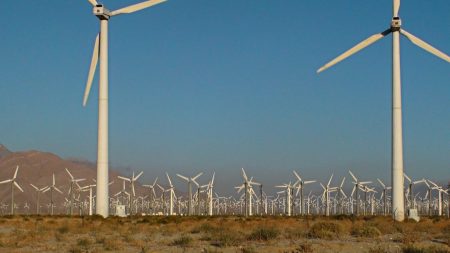
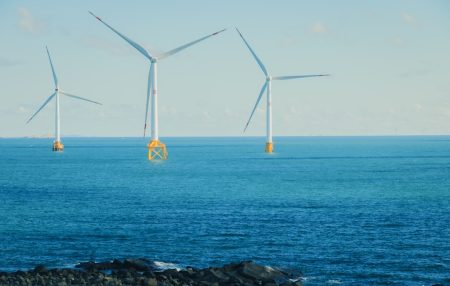
These minerals are indispensable for manufacturing electric vehicles, wind turbines, solar panels, and energy storage systems. Data from the U.S. Geological Survey (USGS) consistently highlights the strategic importance and supply risks associated with these vital resources.
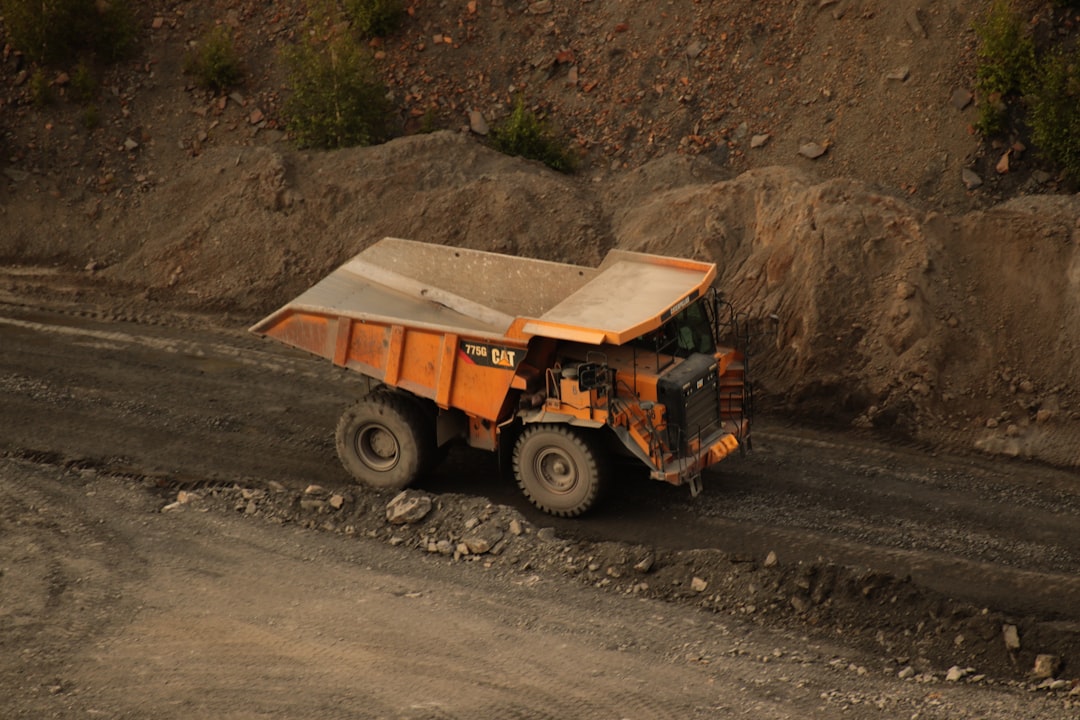
Modern mining engineering is therefore at the forefront of sustainable development, focusing on responsible extraction, waste reduction, and land reclamation. Engineers in this field are crucial for developing innovative techniques that minimize environmental impact and foster ethical supply chains.
The re-emergence of mining engineering as a sought-after career underscores a fundamental shift in global priorities. As the world transitions to a greener, more technologically advanced future, the demand for professionals who can responsibly source essential minerals will only intensify.
This field offers a dynamic career path for those eager to blend scientific expertise with practical innovation, shaping the very foundations of the next industrial era while addressing some of humanity’s most pressing environmental and economic challenges.