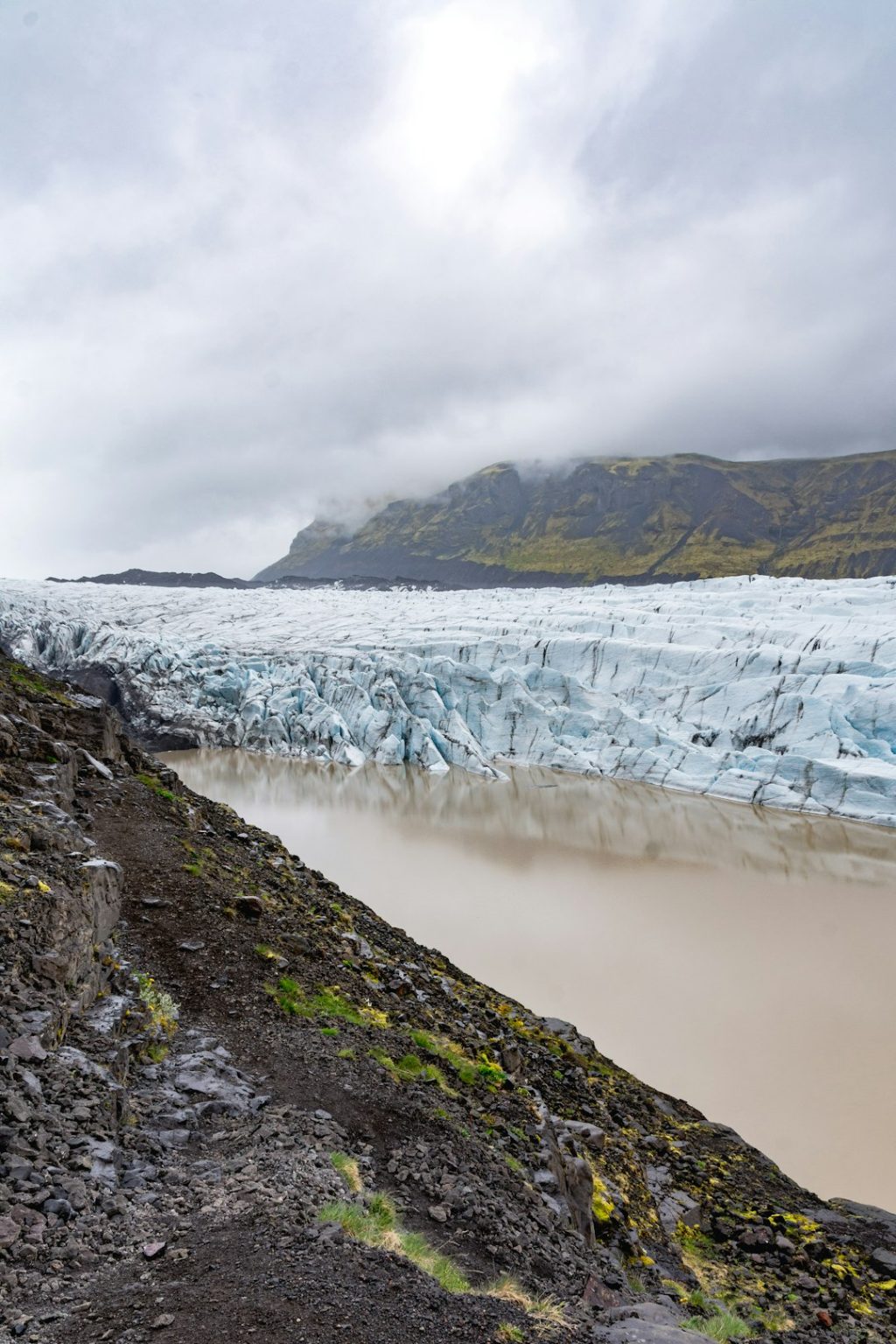
The world’s mountain regions are experiencing an alarming acceleration in warming, outpacing lowland areas and triggering profound shifts in vital water supplies, weather patterns, and delicate ecosystems relied upon by over a billion people. This rapid climate change at higher elevations poses escalating risks, from devastating floods to widespread water scarcity, according to a significant global review.
Published in Nature Reviews Earth & Environment, the international study highlights a critical phenomenon known as “elevation-dependent climate change” (EDCC). This process describes how environmental alterations intensify with increasing altitude, revealing a more dire situation than previously understood. The comprehensive review consolidates extensive evidence of these accelerated changes across major mountain ranges worldwide.
Researchers from institutions including the University of Portsmouth’s Institute of the Earth and Environment analyzed global climate datasets and detailed case studies spanning the Rocky Mountains, the Alps, the Andes, and the Tibetan Plateau. Their findings reveal consistent, troubling trends between 1980 and 2020, painting a clear picture of an environment under severe stress. The implications extend far beyond the immediate peaks, affecting communities globally.
The alarming pace of mountain warming and its drivers
Between 1980 and 2020, mountain regions warmed approximately 0.21°C per century faster than their surrounding lowlands, a critical finding from the major global review from ScienceDaily. This disparity in heating rates is transforming precipitation patterns, with snowfall increasingly giving way to rain, destabilizing traditional water cycles. Dr. Nick Pepin, Associate Professor at the University of Portsmouth, emphasized the severity, stating, “Mountains share many characteristics with Arctic regions and are experiencing similarly rapid changes.”
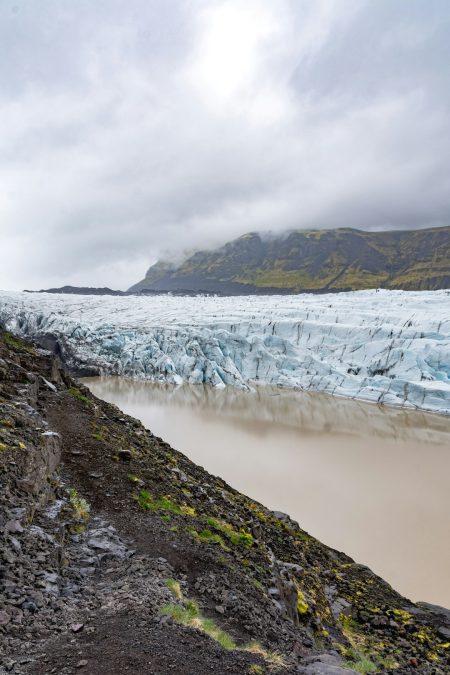
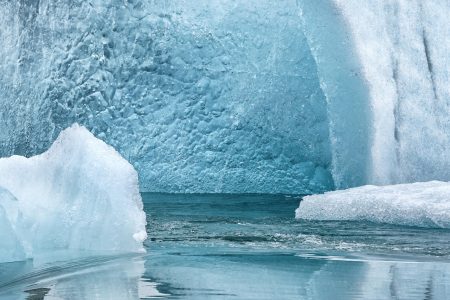
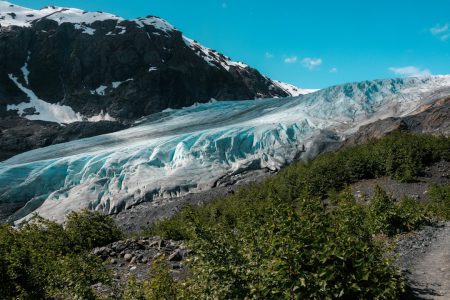
The accelerated warming at higher altitudes is driven by several factors, including the rapid loss of snow and ice cover, which reduces the reflective surface of the earth and absorbs more heat. Additionally, rising atmospheric moisture and the influence of aerosol pollutants contribute to these intense shifts. As Dr. Pepin notes, “What’s less well known is that as you go higher into the mountains, the rate of climate change can become even more intense.” This elevation-dependent warming creates unique challenges for these sensitive environments.
Global repercussions: Water, ecosystems, and extreme events
The consequences of accelerating mountain warming ripple across the globe, directly impacting over a billion people who rely on mountain snow and glaciers for freshwater. Populations in China and India, for instance, depend significantly on the Himalayas for their water supply. The rapid melting of Himalayan ice, as highlighted by Dr. Pepin, poses an immediate threat, with implications for agriculture, sanitation, and economic stability in these heavily populated regions.
The shift from snowfall to rain due to warmer temperatures dramatically increases the risk of devastating floods. Dr. Pepin warned that “hazardous events also become more extreme.” Recent events, such as the intense monsoon storms and extreme mountain rainfall in Pakistan, which led to deadly flooding claiming over 1,000 lives, underscore this growing danger. These cloudbursts exemplify how rapidly changing mountain weather can amplify natural hazards, creating catastrophic outcomes for vulnerable communities.
Beyond human populations, mountain ecosystems face an existential threat. As temperatures rise, plants and animals are forced to migrate higher up mountain slopes in a desperate search for cooler conditions. Dr. Pepin articulated the grim reality: “Eventually in some cases they’ll run out of mountain and be pushed off the top. With nowhere left to go, species may be lost and ecosystems fundamentally changed.” This ecological cascade threatens biodiversity and the delicate balance of these unique environments.
The evidence is clear: the world’s mountains are warming at an unprecedented rate, demanding urgent attention and coordinated global action. Understanding elevation-dependent climate change is crucial for developing effective mitigation strategies and protecting the invaluable resources and biodiversity these majestic regions provide. Failing to address these rapid changes will lead to increasingly severe water crises, ecological collapses, and amplified natural disasters, reshaping the planet as we know it.