New research from South Korea suggests a common cavity-causing bacterium, Streptococcus mutans, typically found in the mouth, could migrate to the gut and produce compounds that may initiate Parkinson’s disease. This alarming finding, detailed in a study led by POSTECH, reveals a potential biological pathway connecting oral health directly to neurodegeneration. It underscores the critical importance of daily oral hygiene for broader systemic health.
Parkinson’s disease, a debilitating neurological condition affecting an estimated 10 million people worldwide, is characterized by tremors, muscle stiffness, and slowed movement. Its exact causes remain largely unknown, though prior research suggested gut microbiome imbalances. This new investigation provides concrete evidence of specific microbial involvement.
The collaborative study, involving researchers from POSTECH, Sungkyunkwan University School of Medicine, and Seoul National University College of Medicine, focused on identifying specific microbial agents and their metabolic byproducts. Their work sheds light on how these substances might travel through the body and impact brain cells vital for motor function.
The oral-gut connection and specific bacterial culprits
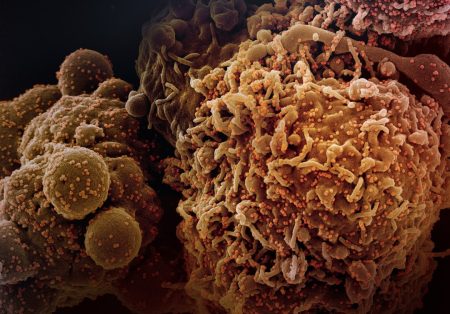
Researchers observed elevated levels of Streptococcus mutans, a well-known culprit behind dental caries, within the gut microbiomes of individuals diagnosed with Parkinson’s. This bacterium produces an enzyme, urocanate reductase (UrdA), and a metabolic byproduct called imidazole propionate (ImP). Both UrdA and ImP were found in higher concentrations in the gut and bloodstream of patients.
Evidence suggests that ImP possesses the ability to traverse the body, eventually reaching the brain where it may contribute to the degradation of dopamine-producing neurons. This neuronal damage is a hallmark of Parkinson’s disease, highlighting ImP as a critical link in this newly identified pathway. The findings were published in Nature Communications.
Unraveling the mechanism: from gut to brain
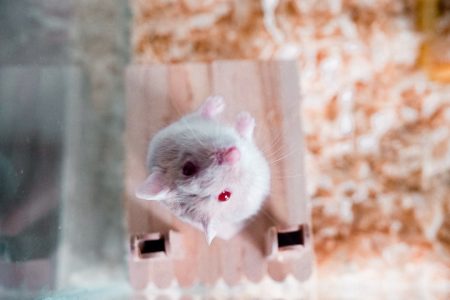
To further investigate this intricate process, the research team conducted controlled experiments using mouse models. They introduced S. mutans directly into the animals’ guts or engineered E. coli to produce UrdA. In both scenarios, levels of ImP significantly increased in the blood and brain tissues of the mice.
The mice subsequently developed several key characteristics associated with Parkinson’s disease. These included noticeable damage to dopaminergic neurons, heightened inflammation within the brain, significant motor coordination problems, and an increased accumulation of alpha-synuclein. Alpha-synuclein is a protein widely recognized for its close association with the progression of neurodegenerative diseases.
Crucially, additional experiments demonstrated that these detrimental effects were dependent on the activation of a specific signaling protein complex known as mTORC1. When the researchers administered a drug designed to inhibit mTORC1, they observed a marked reduction in brain inflammation, a decrease in neuron loss, diminished alpha-synuclein accumulation, and an improvement in motor function among the treated mice.
“Our study provides a mechanistic understanding of how oral microbes in the gut can influence the brain and contribute to the development of Parkinson’s disease,” stated Professor Ara Koh, a lead researcher. These findings not only underscore the profound connection between the oral, gut, and brain microbiomes but also open new avenues for therapeutic interventions.
Targeting the oral-gut microbiome and the specific compounds it produces could represent a novel and promising strategy for Parkinson’s treatment. Future research will likely explore precise methods to modulate these bacterial populations and their metabolic outputs, potentially offering preventative measures or early interventions for this complex condition. Maintaining robust oral and gut health may thus be a crucial, yet often overlooked, defense against neurodegenerative diseases.