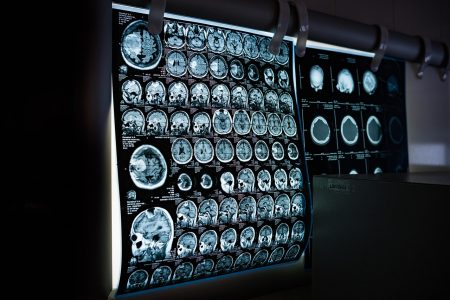
Multiple sclerosis (MS) progressively undermines balance and movement, a debilitating reality for millions globally. Recent findings shed light on the core reason: brain cells vital for motor control are slowly losing their internal energy supply. This cellular power failure, driven by chronic inflammation, critically impairs neurons, leading to the gradual erosion of coordination and mobility.
Affecting approximately 2.3 million people worldwide, MS is characterized by inflammation and demyelination within the central nervous system. This process damages the myelin sheath, the protective layer around nerve fibers, hindering efficient electrical signal transmission. The cerebellum, a brain region crucial for balance and coordinated movement, is particularly susceptible to this inflammatory assault, as detailed by the National Multiple Sclerosis Society.
Damage in the cerebellum often triggers tremors, unsteady gait, and difficulty controlling muscles, symptoms that typically intensify over time. A groundbreaking study from the University of California, Riverside, highlighted by ScienceDaily on January 6, 2026, offers fresh insight into this decline.
This research, published in the Proceedings of the National Academy of Sciences, points to malfunctioning mitochondria as a major contributor to the progressive breakdown of cerebellar neurons. Specifically, the loss of Purkinje cells, vital for movement, appears closely tied to worsening motor problems in MS patients.
The cellular power failure: how MS steals balance and movement
Mitochondria, often called the “powerhouses” of the cell, are responsible for generating most of a cell’s energy. In MS, this critical function is severely compromised. Seema Tiwari-Woodruff, a professor of biomedical sciences at the UC Riverside School of Medicine and lead researcher, explains that inflammation and demyelination in the cerebellum disrupt mitochondrial function.
“Our study proposes that this disruption contributes to nerve damage and Purkinje cell loss,” Tiwari-Woodruff stated. Researchers observed a significant loss of the mitochondrial protein COXIV in demyelinated Purkinje cells, directly linking mitochondrial impairment to cell death and cerebellar damage. This insight is crucial for understanding why multiple sclerosis slowly steals balance and movement.
Purkinje neurons, large and highly active cells within the cerebellum, are essential for coordinating smooth, precise movements, from walking to fine motor skills. The National Institute of Neurological Disorders and Stroke emphasizes the cerebellum’s role. As these neurons weaken and die due to energy failure, individuals with MS develop ataxia, a condition marked by poor coordination and unstable movement. Their gradual loss explains the progressive motor decline.
Protecting brain energy systems for future therapies
To further understand this cellular breakdown, the researchers utilized an experimental autoimmune encephalomyelitis (EAE) mouse model, which mimics MS-like symptoms. This allowed them to track mitochondrial changes as the disease advanced, observing a steady decline in Purkinje cells that mirrored human MS progression.
“The remaining neurons don’t work as well because their mitochondria, the energy-producing parts, start to fail,” Tiwari-Woodruff noted. This early breakdown of myelin, coupled with energy loss and neuronal damage, sets the stage for the later death of brain cells, intensifying motor problems as the disease progresses.
This research suggests that protecting and restoring brain energy systems could be a pivotal strategy for slowing the progression of MS symptoms. Targeting mitochondrial health represents a promising avenue for developing therapies that might preserve balance and movement, offering new hope beyond managing inflammation alone.
The unraveling of how mitochondrial dysfunction leads to Purkinje cell death provides a clearer picture of the insidious nature of MS. Moving beyond traditional anti-inflammatory approaches, future treatments may focus on bolstering cellular energy production and safeguarding these vital neurons. This shift could fundamentally change how we approach preserving motor function in MS patients.