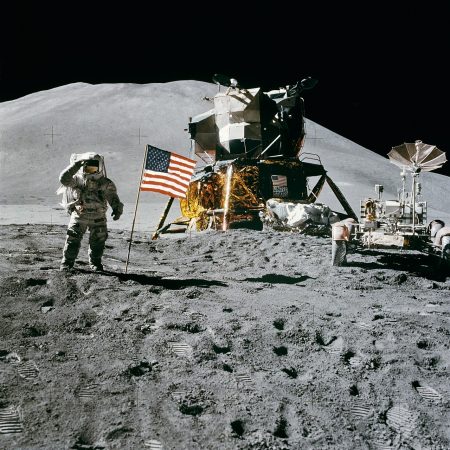
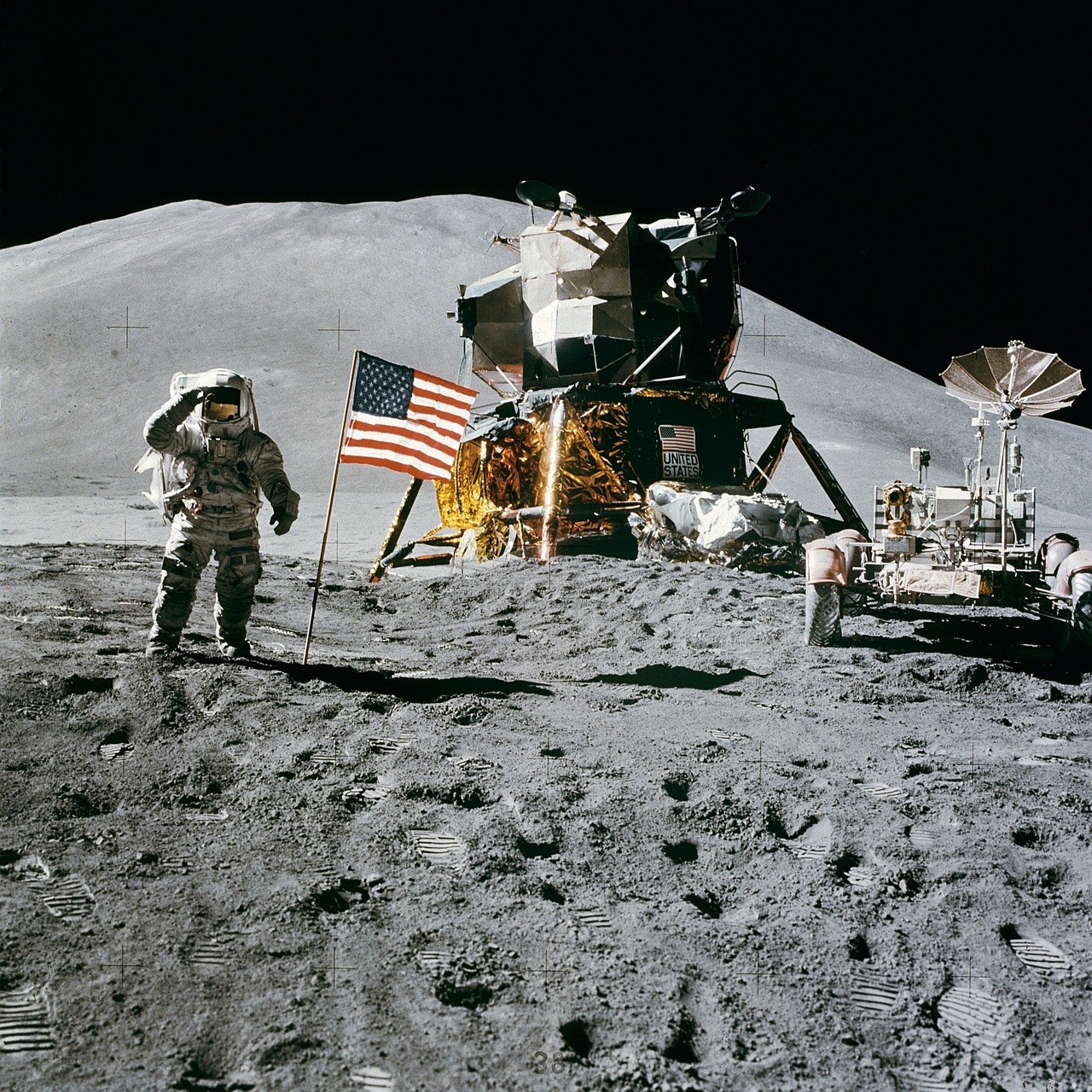
NASA is set to send astronauts around the Moon again with its Artemis II mission, marking the first human deep space flight in over 50 years, signaling a new era for lunar exploration. This ambitious endeavor represents a significant leap in the agency’s human spaceflight program, laying critical groundwork for a sustained human presence on the lunar surface and beyond, as detailed in recent agency reports.
This renewed focus on lunar exploration builds on a year of substantial progress across various NASA initiatives. The agency has launched multiple crewed and science missions, test-flown new aircraft, and advanced plans for future endeavors to the Moon, Mars, and other deep space destinations. These efforts underscore a strategic shift towards American leadership in space, supported by defined national priorities and significant investment.
The momentum reflects a refined mission aligned with national space policy, emphasizing exploration, scientific discovery, and innovation. NASA’s Administrator, Jared Isaacman, highlighted the clarity and purpose driving the agency, noting that the executive direction has empowered the workforce to pursue ambitious goals and deliver tangible results, according to a report by ScienceDaily from January 25, 2026.
Artemis II: Paving the way for lunar return
The upcoming Artemis II Moon mission is a critical precursor to returning humans to the lunar surface. This flight will send astronauts around the Moon, testing the Orion spacecraft’s systems with a crew aboard before subsequent missions attempt a lunar landing. It represents a vital step in validating the technologies and procedures necessary for long-duration deep space travel and lunar habitation.
NASA’s recent achievements, including two human spaceflight missions and 15 science missions launched in the past year, demonstrate the agency’s operational capacity and commitment. The Artemis campaign, initiated during the previous administration, established the Artemis Accords, which now include 60 participating nations. This international collaboration is crucial for ensuring a safe and sustainable future for lunar exploration and beyond, as noted by NASA’s official site.
Strategic shifts and deep space ambitions
The current phase of NASA’s work is underpinned by a formal National Space Policy and significant funding, enabling the agency to pursue an ambitious long-term strategy. This includes an increased focus on human spaceflight and research excellence, aiming for American astronauts to return to the Moon by 2028 and establish a long-term human presence supported by a lunar base. The agency is also advancing deep space technologies to support future missions to Mars.
In addition to human spaceflight, NASA continues to prioritize scientific discovery. Plans include bringing the Nancy Grace Roman Space Telescope into operation, which promises to expand our understanding of the universe. This dual focus on exploration and science reflects a comprehensive approach to space, leveraging advanced technology and international partnerships to push the boundaries of human knowledge and capability, as detailed in various NASA press releases.
The Artemis II mission stands as a testament to NASA’s renewed drive and strategic vision for space exploration. By sending astronauts around the Moon again, the agency is not merely repeating history but charting a course for a sustainable human presence in deep space, with significant implications for scientific discovery, technological advancement, and international collaboration in the decades to come.