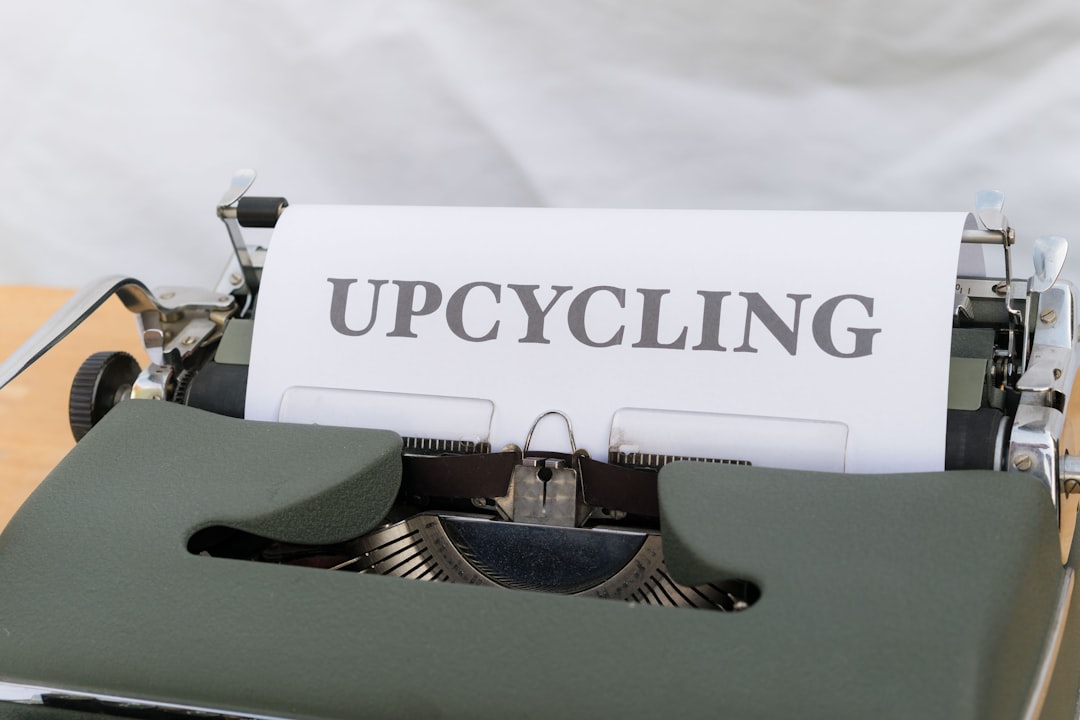
A groundbreaking discovery from the University of Rochester has unveiled a new tungsten carbide catalyst, making plastic upcycling ten times more efficient than traditional platinum. This development, reported by ScienceDaily on January 24, 2026, offers a sustainable path for managing plastic waste and converting carbon dioxide into valuable chemicals and fuels.
The reliance on precious metals like platinum for catalytic reactions in plastic production and other industries presents a dual challenge: high cost and limited supply. For years, scientists have sought earth-abundant alternatives to drive essential chemical processes, particularly those aimed at environmental remediation.
Tungsten carbide, a material already prevalent in industrial tools, emerged as a promising candidate despite its historical unpredictability in catalytic applications. This new research addresses that hurdle, unlocking its potential to revolutionize waste management and chemical synthesis.
Unlocking efficiency: The atomic structure breakthrough
The key to this enhanced efficiency lies in precisely controlling the atomic arrangement, or phases, of tungsten carbide. Marc Porosoff, an associate professor at the University of Rochester’s Department of Chemical and Sustainability Engineering, along with PhD student Sinhara Perera, tackled the challenge of understanding the catalyst’s surface structure during active reactions.
Their work, published in ACS Catalysis, details a method to manipulate tungsten carbide particles at nanoscale within chemical reactors operating above 700 degrees Celsius. They used temperature-programmed carburization to create specific catalyst phases directly inside the reactor.
This precise control allowed them to identify β-W2C as an exceptionally effective catalyst. While less thermodynamically stable, this specific phase proved dramatically superior for converting carbon dioxide into useful fuels and chemicals, potentially matching platinum’s effectiveness without its prohibitive cost.
Beyond CO2: Transforming plastic waste into value
The impact extends beyond carbon dioxide conversion. Porosoff and collaborators, including Linxao Chen from the University of North Texas and Assistant Professor Siddharth Deshpande from Rochester, explored tungsten carbide’s role in plastic upcycling.
Their study, featured in the Journal of the American Chemical Society, demonstrated its efficacy in hydrocracking polypropylene. This process breaks large plastic molecules, like those in water bottles, into smaller ones for reuse, offering a true upcycling path.
Crucially, the tungsten carbide catalyst showed a remarkable tenfold improvement over platinum in breaking down polypropylene waste. This efficiency marks a significant step for circular economy initiatives, transforming discarded plastics into economically viable resources and reducing landfill burden.
This research represents a pivotal moment for sustainable chemistry. By offering a robust, cost-effective alternative to platinum, the tungsten carbide catalyst not only accelerates plastic upcycling but also provides a novel pathway for carbon capture and utilization.
Future efforts will likely focus on scaling these processes for industrial application, integrating them into existing waste management systems, and exploring their potential with other challenging plastic polymers. The path to a truly circular economy for materials just became significantly clearer, promising substantial environmental and economic benefits.