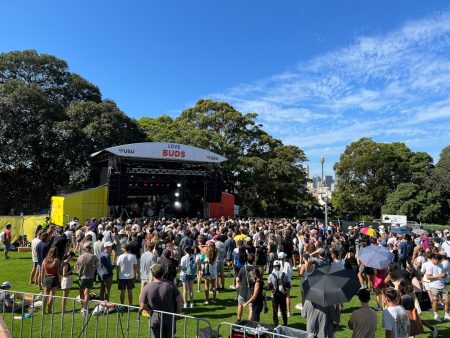
The highly anticipated NFT Paris event, initially slated to gather Web3 enthusiasts and innovators, has been abruptly canceled with barely a month’s notice. This significant development, reported by The Block, sends ripples through the digital asset community, highlighting the persistent volatility and economic pressures currently impacting the NFT market.
The decision to halt the event, which was expected to draw a global audience to the French capital, comes at a critical juncture for the non-fungible token sector. It underscores a broader trend of recalibration and uncertainty that has characterized the Web3 space following the peak of its speculative boom.
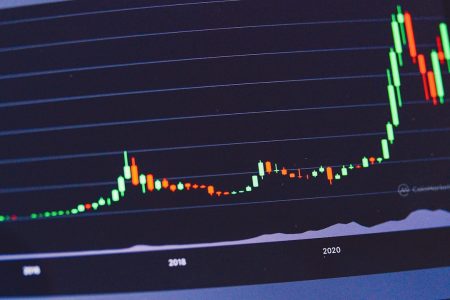
Such last-minute cancellations often signal underlying financial or logistical hurdles, reflecting the challenging environment for large-scale Web3 gatherings. The market has been navigating a prolonged downturn, commonly referred to as the crypto winter, which has seen trading volumes and investor interest wane considerably.
The shifting landscape of Web3 events
The NFT market has experienced a significant contraction in recent months, with trading volumes and floor prices for many collections seeing steep declines from their 2021 and early 2022 highs. This downturn directly affects the viability of major events like NFT Paris, which rely heavily on sponsor funding, exhibitor participation, and ticket sales.
Organizers of Web3 conferences are increasingly grappling with reduced budgets and a more cautious investor sentiment. According to a report by CoinDesk in late 2023, many companies are re-evaluating their marketing spend and participation in industry events, leading to a noticeable ‘conference fatigue’ within the crypto ecosystem.
This environment demands greater scrutiny of event models and a shift towards more sustainable and value-driven propositions. The cancellation of NFT Paris serves as a stark reminder that even established brands within the Web3 space are not immune to these market forces.
Logistical and financial hurdles
Event cancellations on such short notice are typically a last resort, indicating that significant challenges likely emerged that could not be overcome. These often include lower-than-expected ticket sales, a lack of securing sufficient sponsorship, or unforeseen operational complexities.
In the current economic climate, securing substantial funding for a large-scale Web3 event has become particularly difficult. Investors and corporate sponsors are more discerning, seeking clear returns on investment and tangible value, rather than merely associating with the hype that once characterized the NFT space. The high costs associated with venue rentals, production, and international travel also contribute to these pressures.
The abruptness of the NFT Paris cancellation also highlights potential issues with attendee commitment and the overall financial health of the organizing entity. Events require meticulous planning and significant upfront investment, making a last-minute pull-out a costly decision with broad implications.
The cancellation of NFT Paris reflects the ongoing maturation and consolidation of the Web3 industry. While it represents a setback for the community looking forward to the event, it also underscores the need for resilience and adaptability. Future Web3 gatherings will likely prioritize targeted content, stronger community engagement, and innovative funding models to ensure their longevity in a dynamic market.