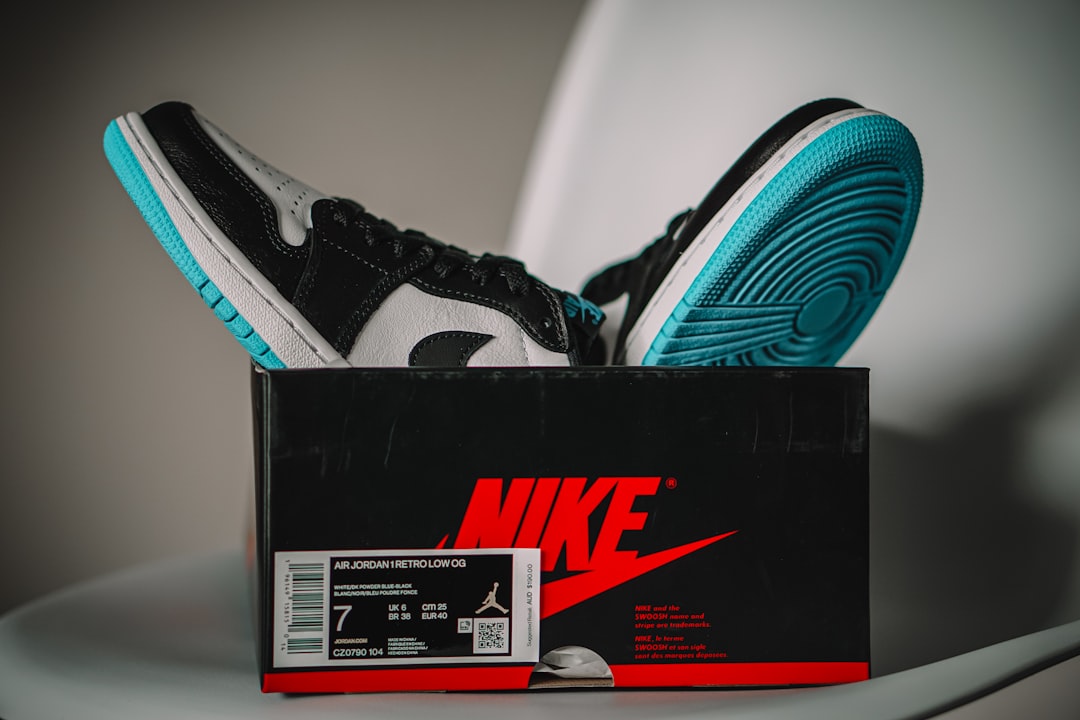
Reports indicate Nike has divested its RTFKT digital collectibles unit to an undisclosed buyer, signaling a significant shift in the sportswear giant’s Web3 strategy amidst a challenging NFT market. This development, initially brought to light by sources including The Block, marks a pivotal moment for one of the most high-profile brand forays into the metaverse.
Nike acquired RTFKT in December 2021, a move celebrated as a bold step into the digital fashion and NFT space. At the time, the acquisition positioned Nike at the forefront of Web3 innovation, aiming to create next-generation collectibles that merge physical and virtual worlds. The studio was known for its virtual sneakers, apparel, and digital avatars, attracting significant attention from collectors and enthusiasts.
The reported sale comes after a period of intense speculation regarding the future of brand-led NFT projects. While the initial boom saw unprecedented interest and investment, the market for digital collectibles has since experienced a notable cooling. This economic reality likely played a role in Nike’s strategic re-evaluation of its Web3 assets.
The evolving landscape of digital collectibles
The NFT market has undergone substantial changes since its peak in 2021 and early 2022. Transaction volumes and floor prices for many collections have declined, reflecting a broader market correction. Data from DappRadar consistently shows a more mature, albeit less frenzied, environment for digital assets.
Many corporations that rushed into the Web3 space are now recalibrating their strategies, focusing on sustainable utility rather than speculative value. This shift underscores a growing understanding that novelty alone cannot sustain long-term engagement in the digital realm. The early promise of exclusive digital communities and unique ownership experiences is being tested by market realities.
Experts suggest that the current phase demands more robust business models and clearer value propositions for consumers. “Brands are learning that simply launching an NFT collection isn’t enough,” states Dr. Anya Sharma, a digital economy researcher at the University of London. “The focus must now be on integrating digital assets into a cohesive brand experience that truly adds value, both virtually and physically.”
Nike’s Web3 strategy shift and future outlook
The reported decision to sell RTFKT indicates a potential pivot in Nike’s broader Web3 approach. While the company has not officially confirmed the sale, such a move would suggest a re-evaluation of its direct involvement in digital collectible creation. It could also signal a preference for partnerships or licensing agreements over direct ownership of a dedicated Web3 studio.
Nike’s initial investment in RTFKT was seen as a benchmark for how traditional brands could embrace blockchain technology. The studio produced several notable collections, including the CryptoKicks and Clone X avatars, which garnered significant attention. However, the operational complexities and market volatility associated with managing a dedicated NFT unit may have prompted a strategic divestment.
Moving forward, Nike may explore alternative avenues to maintain its presence in the metaverse. This could involve leveraging existing digital platforms, collaborating with metaverse developers, or focusing on digital product integration within gaming and virtual environments. The sportswear giant’s core strategy remains centered on innovation and consumer engagement, regardless of the underlying technological framework.
The sale of RTFKT, if confirmed, does not necessarily mean Nike is abandoning Web3 entirely. Instead, it likely represents a tactical adjustment, allowing the company to streamline its digital efforts and adapt to a more discerning market. The future of brand engagement in the digital collectibles space will undoubtedly be shaped by such high-profile decisions, pushing for more integrated and value-driven initiatives.