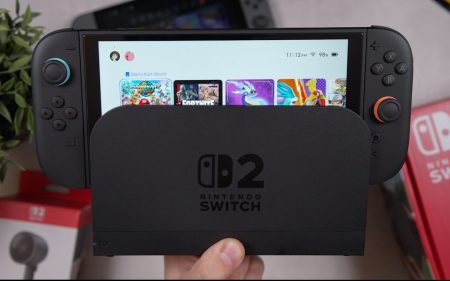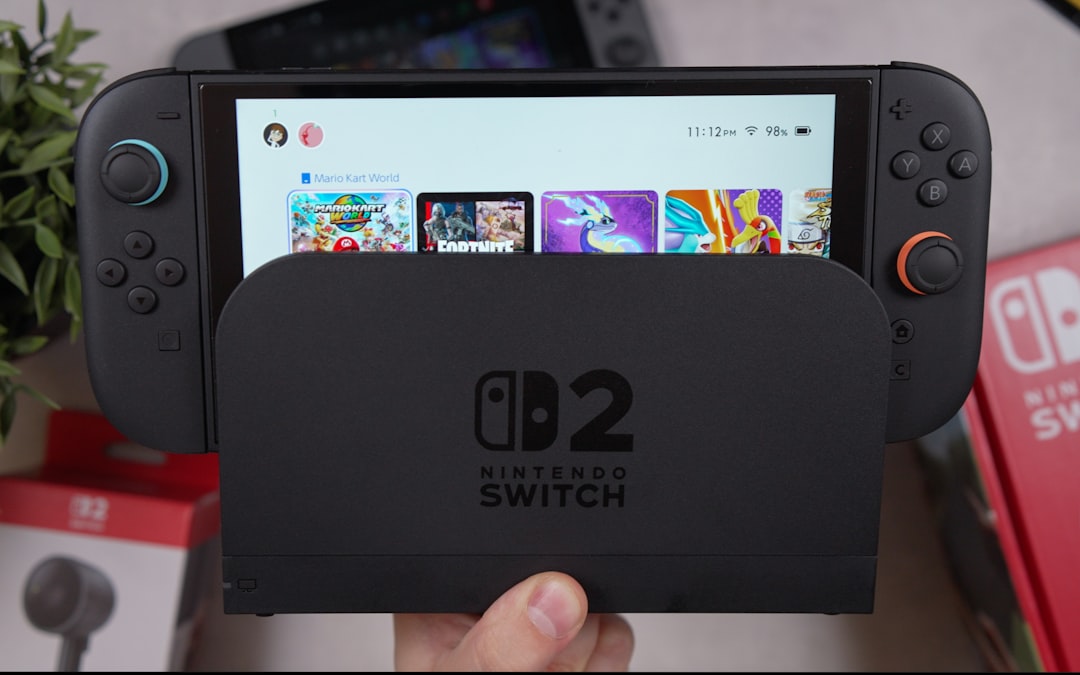
The Nintendo Switch 2 emerged as the undisputed leader in Japan’s home console market in 2025, selling 3.78 million units. This remarkable performance, detailed by Famitsu data via GamesIndustry.biz, secured over half of all console sales in the nation.
This rapid adoption solidified the Switch 2’s position as the fastest-selling console in Japanese history, surpassing previous records with nearly a million units sold in its debut week. Its global impact was equally significant, reaching 10.36 million units within its first four months, underscoring its immediate and widespread appeal.
The console’s immense success propelled a substantial increase in Japan’s domestic games market, which grew by 38.8% from ¥301.32 billion ($1.9 billion) in 2024 to ¥418.13 billion ($2.64 billion) in 2025. Hardware sales specifically saw a 49.3% surge, rising to ¥282.69 billion ($1.74 billion), highlighting the Nintendo Switch 2’s pivotal role in this expansion.
The evolving landscape of Japanese console sales
The Nintendo Switch 2’s dominance reshaped the competitive landscape in Japan. While the new console led decisively, the original Switch still claimed second place with 1.52 million units sold, demonstrating the enduring appeal of the platform family. In contrast, the PlayStation 5, despite launching a cheaper, Japan-only version, saw its sales plummet by 60% in 2025, moving only 879,204 units. This sharp decline signals a significant challenge for Sony in a key market.
Microsoft’s Xbox Series X|S continued to struggle for traction, selling a mere 31,226 units, while the PlayStation 4 effectively exited the market with just 1,807 units sold. These figures underscore Nintendo’s overwhelming market share and the powerful brand loyalty it commands among Japanese consumers. The consistent performance across its console generations suggests a deeply ingrained presence in the national gaming culture.
Software dominance and Nintendo’s financial surge
Beyond hardware, Nintendo’s ecosystem proved its strength in software sales. For the 21st consecutive year, Nintendo games occupied nine of the top ten spots on Famitsu’s physical game chart. Titles like Mario Kart World led with 2.66 million units, followed by Pokémon Legends Z-A, which collectively sold 2.5 million units across both Switch and Switch 2 platforms. Donkey Kong Bananza, a Switch 2 exclusive, also performed strongly, ranking No.6 with 435,206 unit sales.
Capcom’s Monster Hunter Wild stood as the sole non-Nintendo title within the top five, selling 838,319 units on PS5, highlighting the challenge for third-party developers to break through Nintendo’s stronghold. This integrated success directly translated into substantial financial gains for Nintendo, which reported a 110% jump in sales to ¥1.1 trillion ($6.9 billion) and a 19.5% increase in operating profits to ¥145.1 billion ($916 million) in its latest financial results, available on Nintendo’s investor relations page.
The unprecedented success of the Nintendo Switch 2 in Japan during 2025 marks a pivotal moment for the gaming industry, showcasing Nintendo’s enduring innovation and market influence. Its ability to capture over half of home console sales, coupled with dominant software performance, sets a high bar for competitors. This trajectory suggests continued strong growth for Nintendo, while other console makers face increasing pressure to adapt to the evolving demands of the Japanese market.