Jensen Huang, co-founder and CEO of Nvidia, has been honored with the prestigious IEEE Medal of Honor, one of engineering’s highest accolades. Announced at the Consumer Electronics Show on January 6, this award recognizes Huang’s profound lifetime contributions to accelerating computing through specialized chips. His leadership at Nvidia, a company he co-founded in 1993, has fundamentally shaped the landscape of artificial intelligence.
The IEEE Medal of Honor, established by a predecessor of the Institute of Electrical and Electronics Engineers in 1917, is awarded for an exceptional contribution or an extraordinary career in the fields of interest of IEEE. Huang’s recognition underscores the critical role of graphics processing units (GPUs) in revolutionizing video gaming and, more significantly, in enabling the rapid evolution of AI and scientific research.
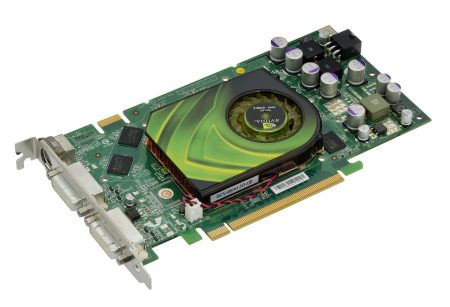
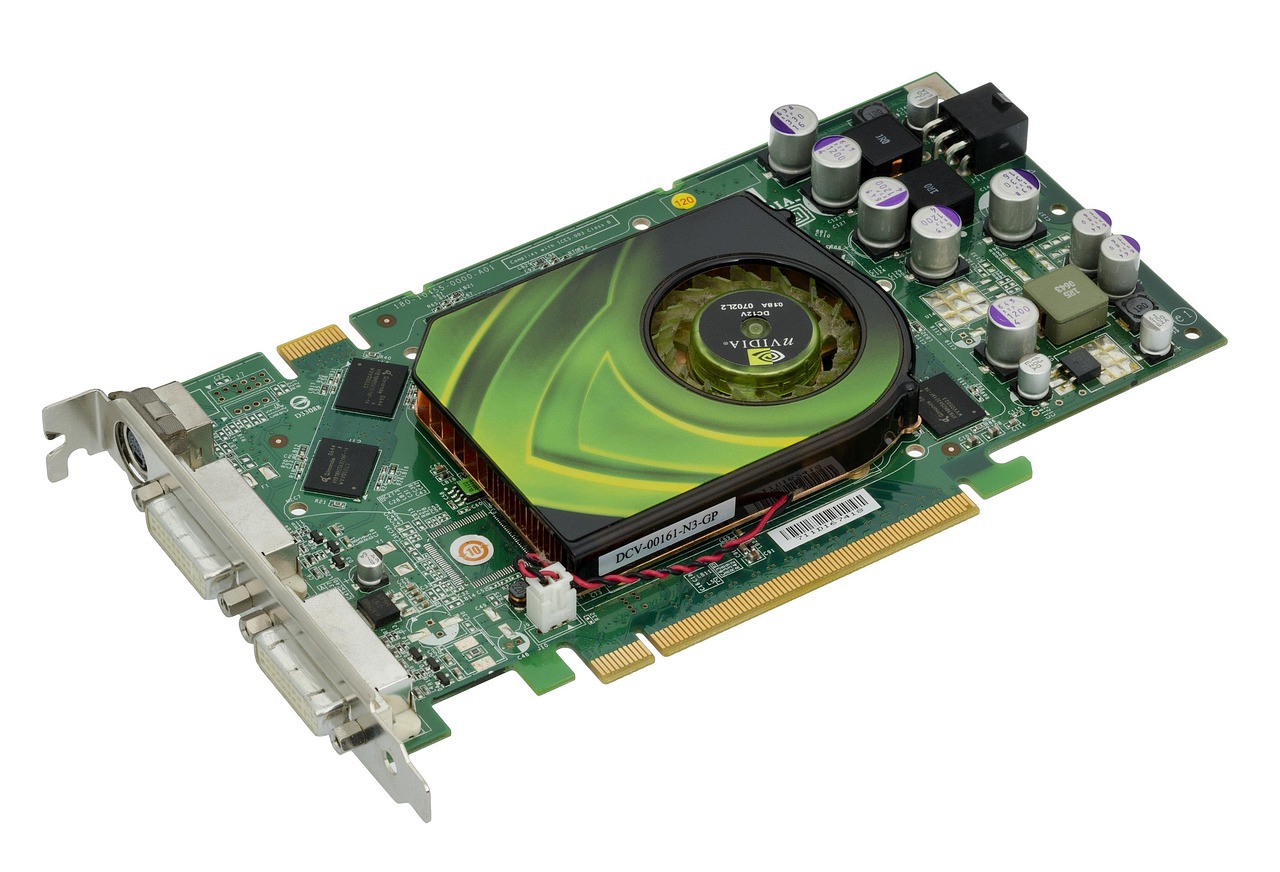
Nvidia’s journey under Huang’s guidance illustrates a remarkable pivot and sustained innovation. From the release of the first GPU, the GeForce 256, in 1999, to the development of CUDA (Compute Unified Device Architecture), Nvidia’s technologies have consistently pushed the boundaries of what’s possible in computing. These foundational innovations laid the groundwork for the high-performance computing necessary for modern artificial intelligence.
The genesis of accelerated computing
Huang’s foresight in harnessing the parallel processing capabilities of GPUs extended far beyond their initial application in video games. The introduction of CUDA proved transformative, allowing developers to leverage Nvidia’s chips for a wide array of computational tasks, from scientific simulations to complex data analysis.
This architectural innovation democratized high-performance computing, making it accessible for a broader range of applications and researchers globally. It positioned Nvidia uniquely for the impending AI boom, years before its widespread recognition.
Mary Ellen Randall, President and CEO of IEEE, emphasized the importance of such power, stating, “It just is so important to have this kind of compute power at our fingertips, to be able to make advances so quickly.” This sentiment resonates with the current technological climate, where the demand for accelerated computing continues to surge.
Fueling the AI revolution
Today, Nvidia’s chips are the backbone of much of the artificial intelligence infrastructure, powering large language models like ChatGPT, autonomous vehicles, and industrial robots. The company’s market valuation soared, reaching an unprecedented $5 trillion in October, a testament to its indispensable role in the AI ecosystem, as reported by Fast Company.
Despite recent market fluctuations and questions about a possible AI bubble, Nvidia maintains a valuation exceeding $4 trillion, underscoring the sustained demand for its specialized hardware. The strategic investments Nvidia has made reflect a deep commitment to fostering the entire AI landscape.
This symbiotic relationship ensures continuous innovation and adoption of Nvidia’s technology. Jensen Huang’s enduring legacy is not just in creating powerful chips, but in cultivating an ecosystem that has enabled artificial intelligence to move from theoretical concepts to practical, transformative applications across numerous industries worldwide.
Receiving the IEEE Medal of Honor solidifies Jensen Huang’s place among the most influential engineers and business leaders of our time. His relentless pursuit of accelerated computing has not only propelled Nvidia to global prominence but has also provided the essential computational foundation for the current AI revolution.
As artificial intelligence continues to evolve and integrate into every facet of society, Huang’s contributions will remain a cornerstone, pushing the boundaries of human-computer interaction and scientific discovery for decades to come.