For decades, a vibrant poison frog from the Peruvian Amazon puzzled scientists, its official species description based on a critical error. New research from the University of Kansas has finally corrected this long-standing poison frog mix-up, revealing the true identity of a specimen mistakenly designated as a holotype. This discovery highlights the profound importance of meticulous museum collections and the ripple effect of small taxonomic inaccuracies.
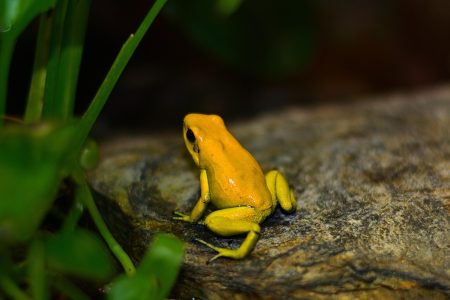
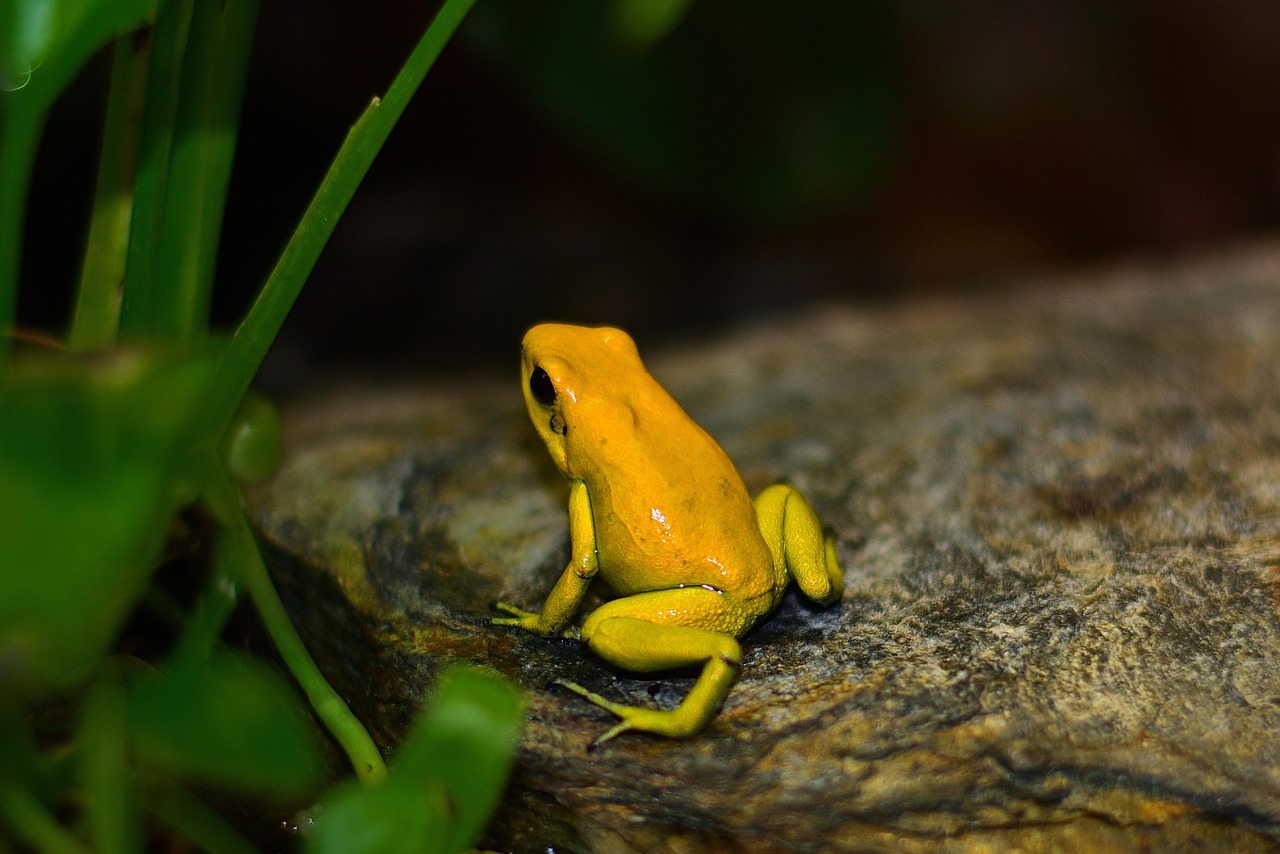
The saga began in 1999 when a researcher, relying solely on a photograph, described a new species, Dendrobates duellmani. The designated holotype, a single preserved specimen meant to define a species, was cataloged incorrectly. This meant the colorful frog pictured was tied to a completely different, brown specimen in the museum’s collection, leading to a scientific misrepresentation that persisted for twenty-five years.
Modern taxonomy often integrates genetic data and field observations, but the definition of a holotype remains the foundational reference point for species identification. When experts studying related frog species visited the University of Kansas Biodiversity Institute, they immediately noticed the discrepancy: the physical specimen did not match the vibrant image defining Dendrobates duellmani. This pivotal moment initiated a detailed investigation into the historical records.
Unraveling the taxonomic error
Ana Motta, collection manager of herpetology at the Biodiversity Institute and lead author of the study published in Zootaxa, highlighted the gravity of the situation. “When you describe a species, you assign one specimen that bears the name of that species,” Motta explained, emphasizing the holotype’s definitive role. The error, as detailed by ScienceDaily.com on January 6, 2026, began with a misassigned catalog number, mistakenly linking the new species description to the wrong preserved frog.
The detective work involved carefully examining old field notes and photo records. Researchers meticulously matched visual evidence to physical specimens. This painstaking process, crucial for rectifying historical oversights, eventually led to the correct frog that had been pictured in the original photograph. The true specimen, though real, had simply been assigned a different, correct catalog number, creating a critical disconnect in the scientific record.
Reclassifying a frog and lessons for science
The correction has significant implications for amphibian taxonomy. The frog once known as Dendrobates duellmani is no longer considered a distinct species. Instead, it has been reclassified as a color variant of the widely recognized Amazon poison frog, Ranitomeya ventrimaculata. This demonstrates that morphological differences, such as varied colorations, do not always indicate separate species, especially when genetic evidence points to shared ancestry and reproductive compatibility.
This case serves as a powerful reminder of the indispensable role natural history collections play in scientific accuracy. Motta observed that while new data helps describe “hidden biodiversity,” sometimes “things that look different morphologically can be the same species genetically.” The poison frog mix-up underscores how even minor administrative errors can propagate through scientific literature for decades, affecting subsequent research and conservation efforts.
The resolution of this poison frog mix-up offers a valuable lesson in scientific rigor and the enduring importance of museum collections. It reinforces the need for meticulous record-keeping and cross-referencing in an era where digital data supplements, but does not replace, physical specimens. As scientists continue to explore and classify the planet’s vast biodiversity, such corrections ensure the integrity of our understanding, preventing future misidentifications and safeguarding the accuracy of ecological and evolutionary studies.