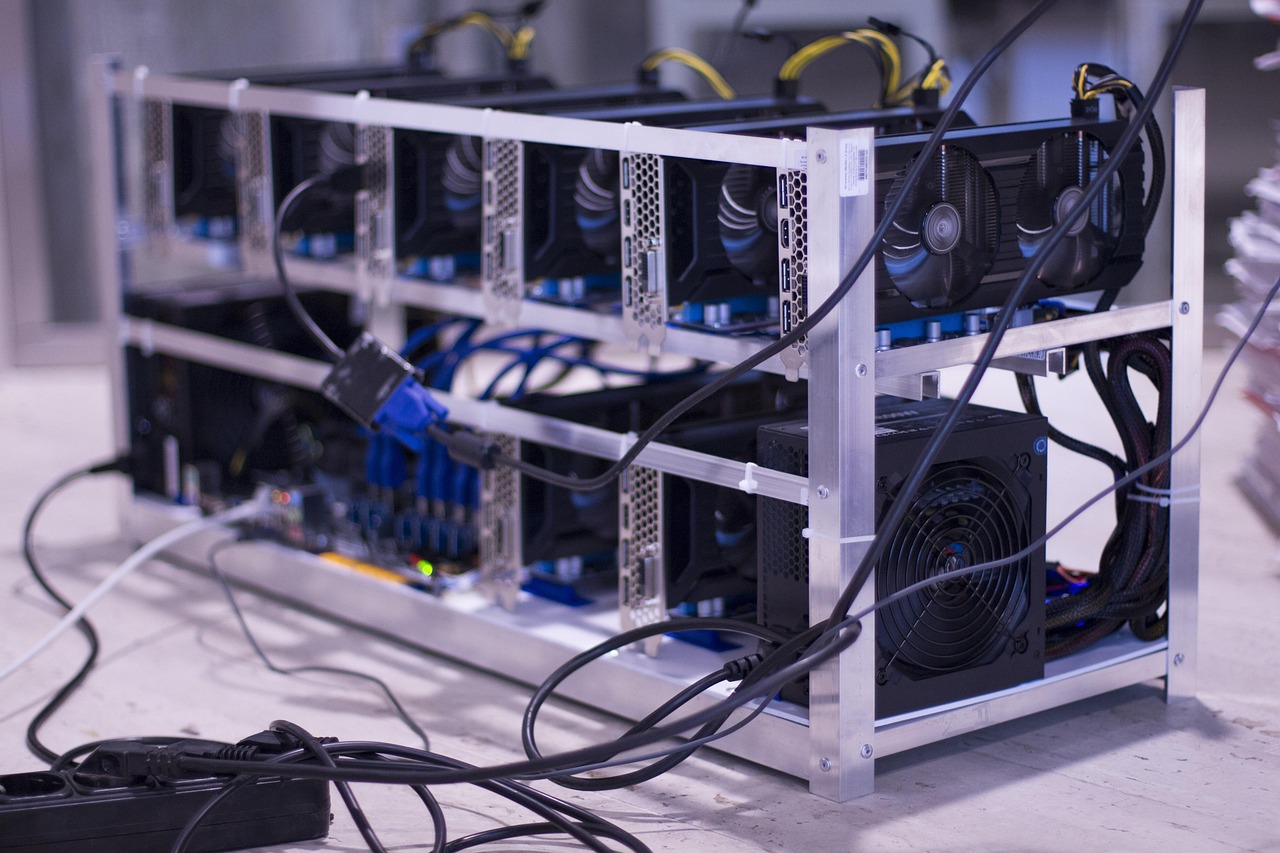
Riot Blockchain recently divested approximately $162 million worth of Bitcoin, a significant move that underscores the mounting financial pressures on large-scale mining operations as the hashprice continues its decline towards multi-year lows. This substantial sale, initially reported by outlets like www.theblock.co, highlights the challenging economic landscape currently faced by crypto miners globally.
The hashprice, a critical metric representing the expected revenue a miner can earn per unit of hashing power, has been under considerable strain. This downturn follows a period of heightened network difficulty and increased competition, exacerbated by the Bitcoin halving event which reduced block rewards for miners.
For publicly traded companies like Riot, maintaining liquidity and covering operational costs often necessitates strategic asset sales. This decision reflects a broader trend within the industry where miners are forced to adapt to shrinking profit margins in a highly competitive and capital-intensive environment.
The economics of bitcoin mining under pressure
Bitcoin mining profitability is intrinsically linked to the hashprice, which is influenced by Bitcoin’s market price, network difficulty, and transaction fees. When hashprice declines, the revenue generated by each terahash of computing power diminishes, directly impacting a miner’s bottom line.
Major miners, including Riot, face substantial overheads, primarily electricity costs and the expense of maintaining and upgrading high-performance hardware. “A sustained slump in hashprice forces miners to re-evaluate their operational strategies, often leading to decisions like selling off accumulated Bitcoin to cover immediate expenses or invest in more efficient equipment,” explains a recent analysis by CoinDesk Research.
The post-halving environment, which began in April 2024, has intensified this challenge. With block rewards cut in half, miners must either increase their efficiency, secure cheaper energy, or rely more heavily on transaction fees to remain profitable. For many, selling Bitcoin holdings becomes a necessary liquidity management tool.
Broader market implications and miner strategies
Large-scale Bitcoin sales by prominent miners like Riot can introduce selling pressure into the market, though the impact of individual sales on Bitcoin’s overall price is often localized and short-term. However, consistent sales across the industry could signal deeper systemic issues regarding miner solvency and sentiment.
In response to these market conditions, many miners are exploring diverse strategies. Some are optimizing energy contracts, others are seeking debt refinancing, and a few are considering mergers and acquisitions to consolidate operations and achieve economies of scale. For instance, reports indicate a growing trend of consolidation among smaller players struggling to compete.
The long-term health of the mining ecosystem depends on the ability of these companies to navigate periods of low hashprice. Innovation in cooling technologies and software optimization are also becoming increasingly vital for survival, as noted by experts at leading energy research institutions studying sustainable blockchain practices.
Riot’s substantial Bitcoin sale serves as a stark reminder of the volatile and cyclical nature of the crypto mining industry. As hashprice hovers near critical lows, miners must continue to innovate and adapt their financial and operational models. The coming months will likely test the resilience of many mining firms, potentially reshaping the competitive landscape and driving further efficiency gains across the sector.