In a significant leap for humanoid robotics, engineers at Columbia University have developed a new method allowing robots to learn realistic lip movements through observation, a breakthrough poised to make robot faces feel less creepy. This innovative approach, announced on January 15, 2026, and detailed in Science Robotics, enables machines to speak and sing with synchronized facial motion, moving beyond rigid, unnatural expressions.
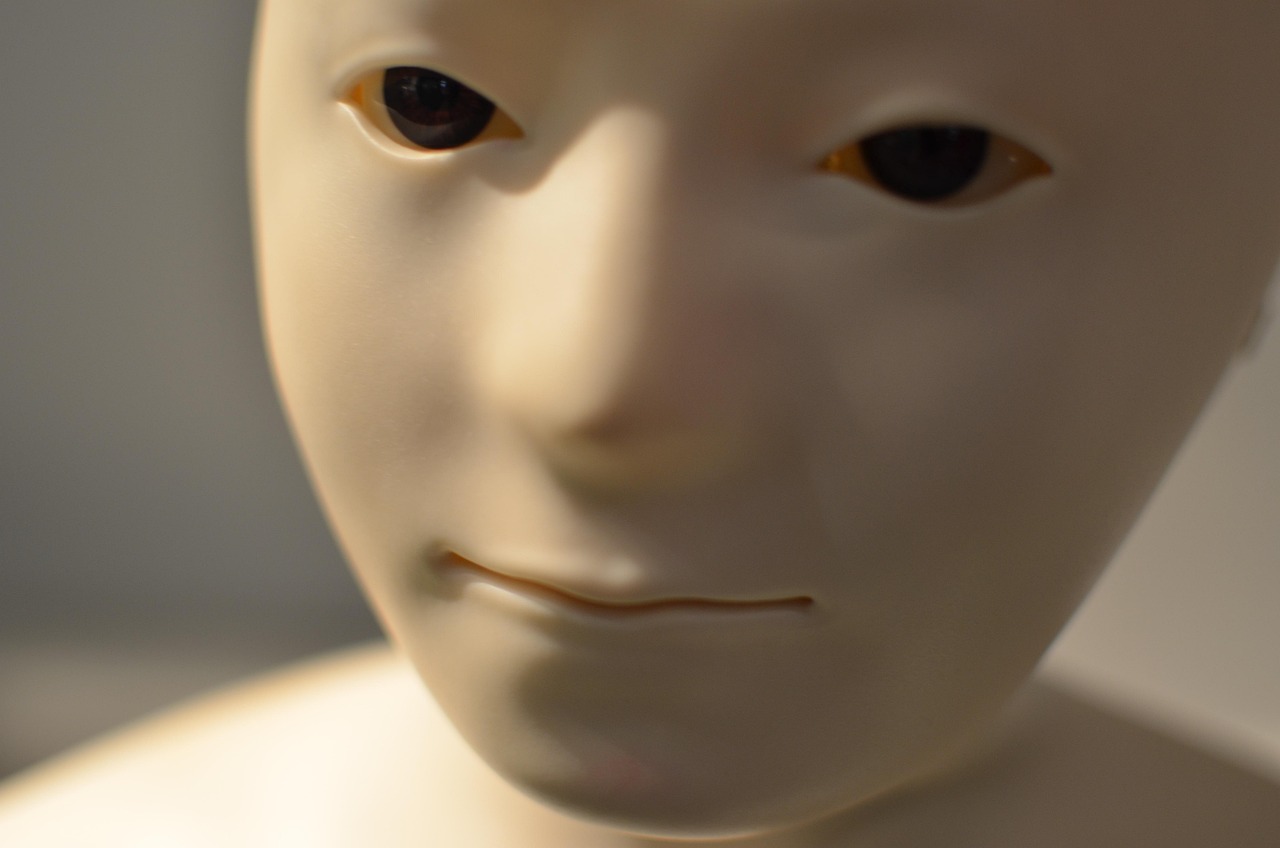
For decades, the “Uncanny Valley” has plagued robot designers: a phenomenon where human-like robots evoke unease rather than empathy due to subtle imperfections. Facial expressions, particularly lip movements, are critical in human interaction, and even minor flaws in robotic imitation can instantly trigger this unsettling feeling.
Traditional humanoid robots often rely on pre-programmed, stiff mouth motions that resemble puppets, hindering genuine connection. This new research directly addresses a core challenge in human-robot interaction, promising a future where our mechanical counterparts can engage in more natural, believable communication.
Learning realistic lip movements through observation
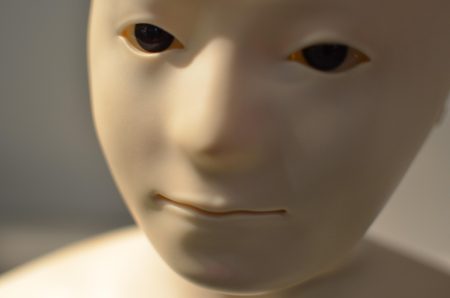
The Columbia Engineering team, led by Hod Lipson, James and Sally Scapa Professor of Innovation, achieved this feat by enabling a robot to learn autonomously. Instead of being explicitly programmed, the robot first watched its own reflection in a mirror, experimenting with 26 separate facial motors to understand how its movements translated into different shapes.
This self-discovery phase allowed the robot to develop a fundamental understanding of its own facial mechanics. Following this, it studied countless hours of human speech and singing videos from online platforms like YouTube, observing the intricate relationship between sound and lip formation. This process mirrors how humans learn, focusing intently on lips during conversation.
According to a report on ScienceDaily.com, this “vision-to-action” language model (VLA) allowed the robot to associate audio input directly with motor movements. Hod Lipson, director of Columbia’s Creative Machines Lab, noted, “The more it interacts with humans, the better it will get,” suggesting a continuous learning curve for enhanced realism.
Bridging the uncanny valley for better human-robot interaction
Creating natural lip motion is complex, demanding both advanced hardware and sophisticated software. Human faces boast dozens of muscles beneath soft skin, allowing fluid, synchronized movements with speech. Most robots, however, possess rigid faces with limited articulation, resulting in the mechanical, unnatural expressions that contribute to the uncanny valley effect.
The Columbia team’s design features a flexible robotic face with a high density of motors, allowing for a broader range of subtle expressions. By combining self-learning with human observation, the robot can convert auditory signals into synchronized lip motion across multiple languages and speech styles, even performing a song from its AI-generated debut album, “hello world_.”
While acknowledging challenges with specific sounds like “B” or “W” involving lip puckering, Lipson anticipates future improvements through practice. This innovation marks a crucial step toward more intuitive and less unsettling interactions with humanoid machines, fostering acceptance and integration into daily life.
The ability for robots to learn nuanced facial expressions independently represents a significant shift in robotics. Beyond merely syncing lips to sound, this breakthrough lays the groundwork for robots to develop more emotionally resonant and genuinely communicative capabilities. As these systems continue to refine their observational learning, the prospect of truly natural human-robot interaction moves closer to reality, potentially transforming how we perceive and engage with artificial intelligence.