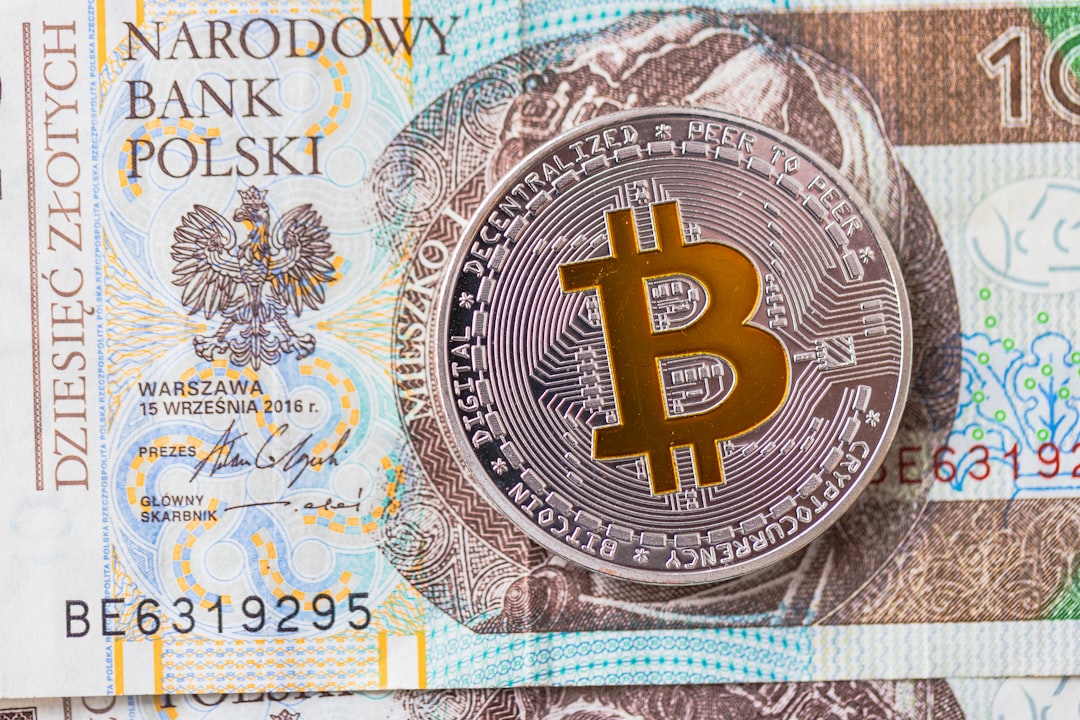
Russia has reportedly finalized a landmark bill designed to significantly broaden access to its cryptocurrency market, allowing non-qualified traders to participate. This move, as recently reported by The Block, marks a pivotal shift in the nation’s digital asset strategy, potentially integrating a wider segment of the population into the burgeoning crypto economy.
For years, Russia’s approach to cryptocurrencies has been characterized by caution and strict controls, often leaning towards outright bans or severe limitations. The central bank, in particular, maintained a skeptical stance, citing concerns over financial stability and illicit activities.
This legislative development, however, signals a pragmatic evolution, reflecting an increasing global trend towards regulated integration of digital assets.
The shift comes amidst ongoing discussions within the Russian government about the role of digital financial assets (DFAs) in its economy, particularly in the context of international sanctions. While the initial regulatory framework for DFAs legalized certain crypto activities, it largely restricted participation to qualified investors and institutional players, leaving the vast retail market on the sidelines.
Understanding Russia’s new crypto market access
The core of the new legislation is its provision for non-qualified investors to engage with the crypto market, a departure from previous restrictive policies. While specific details of the bill are still emerging, it is expected to outline clear parameters for retail participation.
This likely includes defined investment limits, mandatory risk awareness testing, or educational requirements to protect less experienced traders. Sources close to the legislative process indicate that the bill aims to strike a balance between fostering innovation and safeguarding investor interests.
Previously, the Digital Financial Assets Law, enacted in 2021, acknowledged cryptocurrencies as property but prohibited their use as a means of payment. This new bill seeks to expand the scope of permissible activities, potentially leveraging existing financial infrastructure like the Moscow Exchange for regulated crypto trading.
The move also reflects a broader recognition of cryptocurrencies as a tool for economic development and an alternative in a changing global financial landscape. According to a report by the Bank of Russia in early 2023, the institution acknowledged the growing interest in digital assets, albeit with continued emphasis on managing associated risks.
This policy pivot suggests a governmental consensus on the need for a more inclusive, yet controlled, digital asset ecosystem.
Implications for adoption and global markets
Opening the Russian crypto market to retail investors could significantly boost domestic crypto adoption. By legalizing and regulating a broader spectrum of trading activities, the government aims to channel activity from the unregulated grey market into a transparent, taxed environment.
This could lead to increased liquidity and a more robust local crypto industry, potentially attracting both domestic and international investment. Globally, Russia’s decision may influence other nations grappling with similar regulatory dilemmas.
As a major economy, its move towards embracing retail crypto trading, even with safeguards, could set a precedent. It highlights a growing understanding among policymakers that outright prohibition is often ineffective and that regulated integration is a more viable path forward. The Ministry of Finance has long advocated for comprehensive regulation, viewing it as essential for economic stability and growth, a stance that appears to have gained traction.
However, challenges remain. Ensuring robust consumer protection, combating money laundering, and maintaining financial stability will be paramount. The success of this legislative shift will depend heavily on the implementation of effective oversight mechanisms and the ability of regulators to adapt to the fast-evolving crypto landscape.
The world will be watching to see how Russia navigates these complexities as it opens its digital doors.