

Experts declare quantum technology has hit a critical turning point, echoing the early days of modern computing with functional systems now emerging.
Experts declare quantum technology has hit a critical turning point, echoing the early days of modern computing with functional systems now emerging.
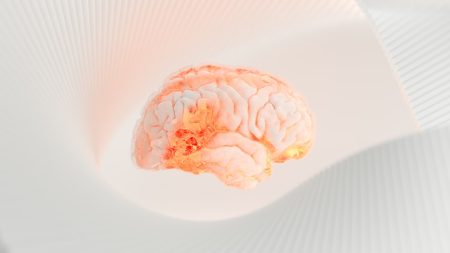
New research reveals how the quality of carbohydrates significantly impacts long-term brain health, suggesting that choosing slow-digesting carbs could reduce dementia risk.
A decade-long French study suggests a link between common food preservatives and an increased cancer risk, prompting a re-evaluation of food additive safety.
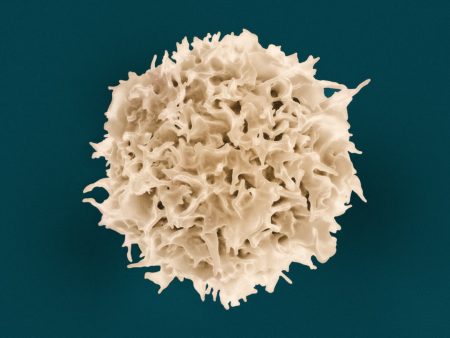
Moffitt Cancer Center scientists cracked cancer’s hidden evolution rules. New method tracks chromosome changes, revealing how tumors adapt and resist treatments.

Ancient human remains in Colombia have revealed the oldest known genome of a syphilis-like bacterium, pushing back disease history in the Americas by millennia.

New research reveals residential fireplace pollution significantly contributes to winter air quality issues, risking thousands of lives, especially in urban areas.

The James Webb Space Telescope has captured an unprecedented view of the Helix Nebula, revealing a dying star’s intricate final moments and cosmic recycling.

New simulations reveal how chaotic early galaxies fueled rapid black hole growth, explaining the unexpected size of cosmic giants observed by the James Webb Space Telescope.

Uncover how chronic gut inflammation, especially in IBD, triggers an immune cascade damaging DNA and fostering colon cancer growth, per new Weill Cornell research.

New research suggests Alzheimer’s may trick the brain into actively erasing its own memories by flipping a molecular switch, linking amyloid beta and inflammation.
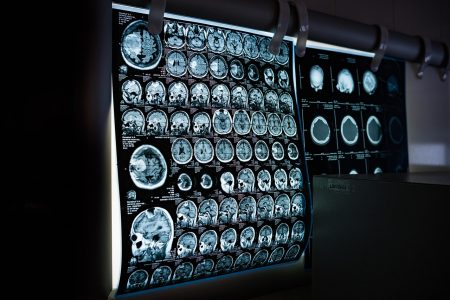
New research explores how non-invasive EEG can capture movement intentions, offering hope for spinal cord injury patients to regain control without surgery.
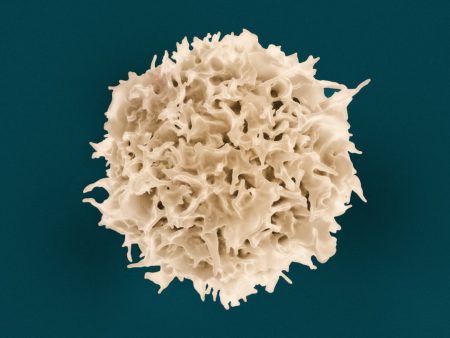
New research reveals how aging immune cells, specifically macrophages, get trapped in a chronic inflammatory state, worsening severe infections in older adults.