

New research reveals that catching up on sleep during weekends can significantly lower depression risk in teens, offering a crucial, accessible strategy for adolescent well-being.
New research reveals that catching up on sleep during weekends can significantly lower depression risk in teens, offering a crucial, accessible strategy for adolescent well-being.

Scientists uncover previously unknown viruses in Caribbean whales and orcas, raising questions about marine health and evolution. Read more on Hedge.
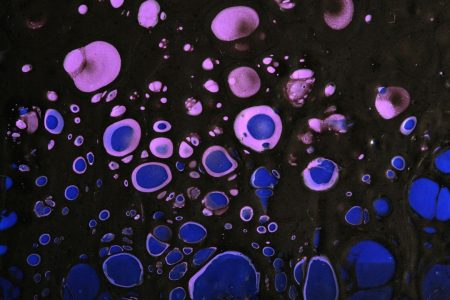
New research unveils the invisible energy cost living cells pay to maintain specific chemical reactions, crucial for understanding how life keeps from falling apart.
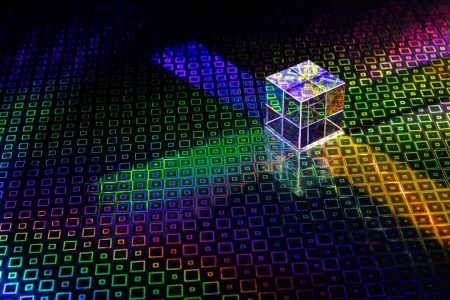
Engineered quantum light is transforming photons into ultra-powerful messengers, promising a revolution in secure communication, efficient computing, and advanced sensing technologies.
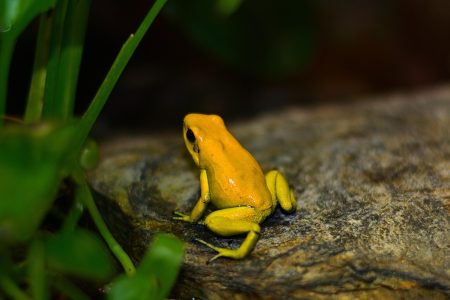
For decades, a vibrant poison frog from the Peruvian Amazon puzzled scientists, its official species description based on a critical error. New research from the University of Kansas has finally corrected this long-standing poison frog mix-up, revealing the true identity of a specimen mistakenly designated as a holotype. This discovery highlights the profound importance of meticulous museum collections and the ripple effect of small taxonomic inaccuracies.
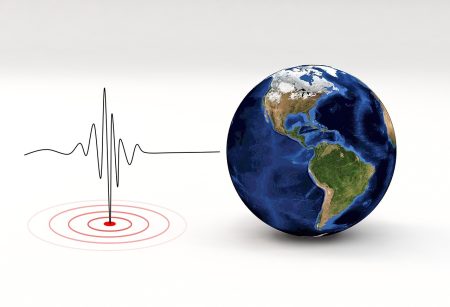
A new mathematical breakthrough from Stevens Institute of Technology is dramatically speeding up seismic simulations, promising a revolution in earthquake risk assessment.
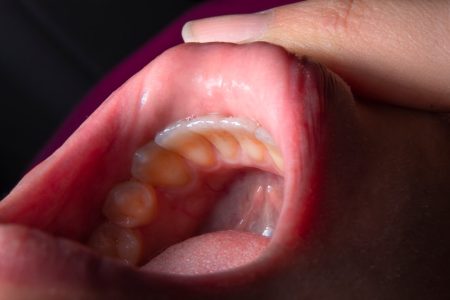
New research suggests harmful mouth bacteria may migrate to the gut, producing compounds that could initiate Parkinson’s disease. Explore the oral-gut-brain link.
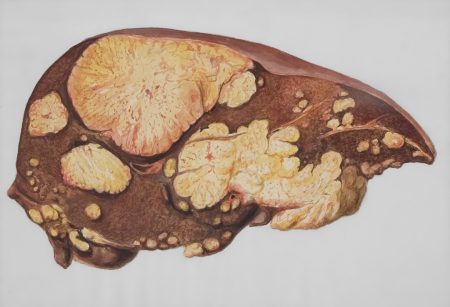
A novel combination of two existing drugs, silybin and carvedilol, shows significant promise in reversing liver fibrosis, a widespread condition.

New 3D-nanoprinted ‘light cages’ offer a scalable solution for quantum memory, accelerating the path towards a global quantum internet and advanced computing.
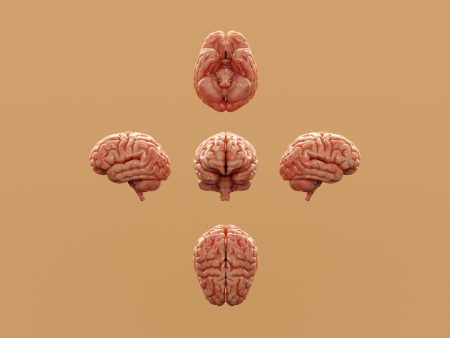
Multiple sclerosis progressively undermines balance and movement as brain cells vital for motor control slowly lose their internal energy supply, driven by chronic inflammation.
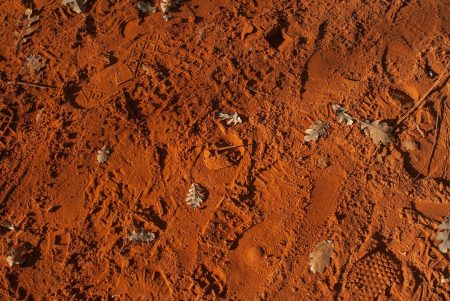
Earth’s toughest microbes could help humans live on Mars, transforming hostile soil into building materials for sustainable colonization.
USF Health scientists discover a novel way opioid receptors can provide pain relief without dangerous respiratory side effects, offering a safer path for future medications.