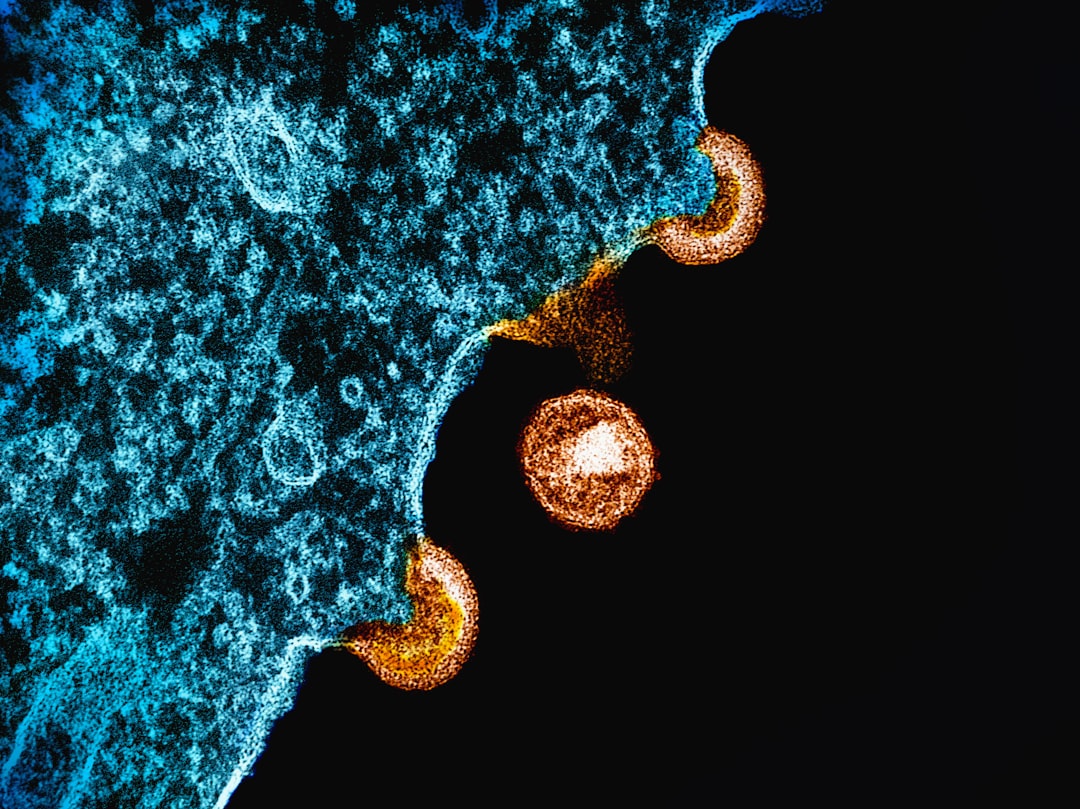
Scientists have identified a previously unknown mechanism for viral spread, dubbed “migrions,” which significantly accelerates infection by hijacking the body’s own cell migration. This discovery, detailed in a recent study, challenges long-held assumptions about how viruses propagate, revealing a shortcut that supercharges disease severity and transmission efficiency.
The findings, published in Science Bulletin, illustrate how infected cells bundle viral material into these large structures. Instead of releasing individual virus particles, cells actively pack genetic material and proteins of viruses like vesicular stomatitis virus (VSV) into migrasomes, cellular structures formed during cell movement. This collective delivery jump-starts viral replication, leading to more aggressive disease progression.
This innovative research provides crucial context for understanding rapid infection escalation. It suggests that viruses are not merely passive passengers but actively exploit cellular machinery, offering a fresh perspective on viral dissemination that could reshape our approach to combating infectious diseases.
How migrions supercharge infection
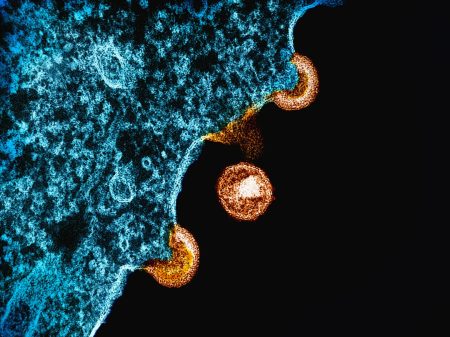
The core of this discovery lies in how migrions are formed and utilized. Researchers at Peking University Health Science Center and the Harbin Veterinary Research Institute observed that some migrasomes contained viral nucleic acids internally, while displaying viral surface proteins, such as VSV-G, on their outer membranes. These unique, large virus-like structures were then named “migrions,” representing a distinct form of viral transport.
Crucially, migrions facilitate faster viral replication within newly infected cells. They deliver multiple copies of the viral genome simultaneously, enabling immediate and parallel replication. This efficiency sets migrions apart from traditional extracellular vesicle-based viral spread, offering a more flexible transmission pathway that can even co-transmit different virus types at once, according to a report by ScienceDaily on January 5, 2026. Once they reach a new cell, migrions enter via endocytosis, bypassing reliance on specific cell surface receptors, and release their contents through acidic activation of VSV-G, initiating rapid replication.
Implications for disease severity and future research
The pathogenic potential of migrions was starkly demonstrated in animal models. Experiments in mice revealed that infections mediated by migrions were far more severe than those caused by free virus particles. Animals exposed to migrions developed serious lung and brain infections, often resulting in encephalitis and death, underscoring the heightened danger of this transmission route.
This paradigm shift in understanding viral spread demands a rethinking of how viruses move through the body. The concept of a chimeric structure formed between a virus and a migrasome, as described in the study published in Science Bulletin, suggests that viruses can exploit the body’s own migratory machinery for efficient and systemic movement. This mechanism may explain why some infections escalate so rapidly, prompting new avenues for therapeutic intervention and disease control.
The discovery of migrions not only challenges classic models of infection but also opens new frontiers for scientific inquiry. Future research will likely focus on identifying other viruses that utilize this migration-based route, understanding the specific cellular signals involved in migrasome formation and viral packaging, and developing strategies to disrupt this supercharged mode of transmission to mitigate disease severity.