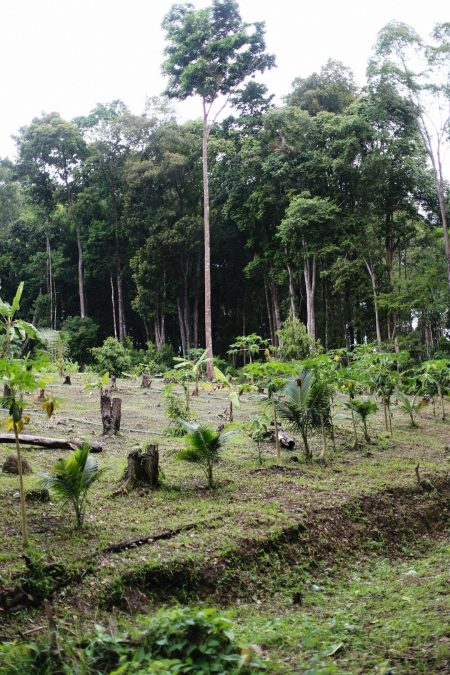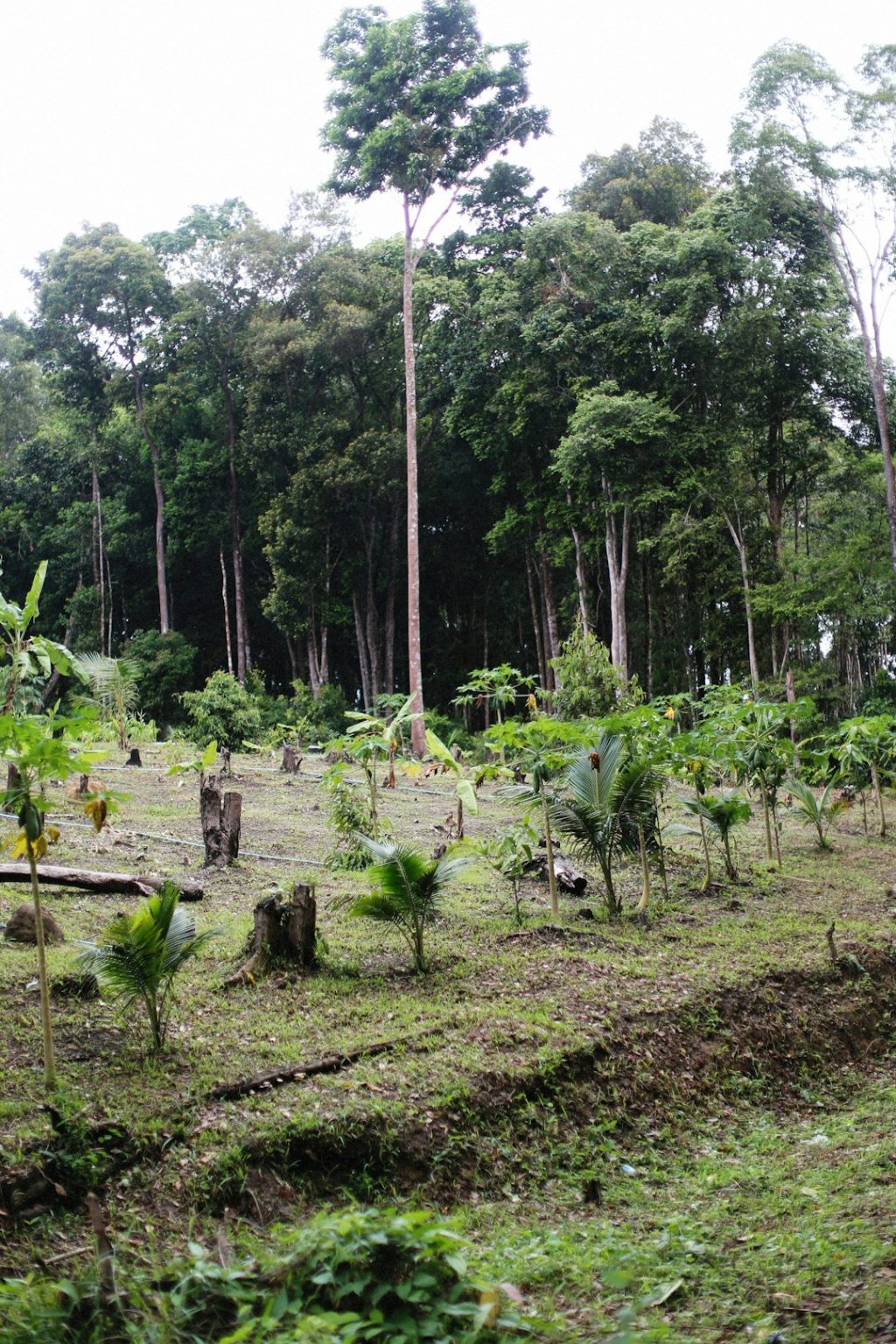
A groundbreaking study reveals tropical forests can recover twice as fast after deforestation when their soils contain sufficient nitrogen, a hidden nutrient now identified as a critical driver of ecological restoration. This discovery, published in Nature Communications, offers a new paradigm for reforestation efforts globally, promising enhanced carbon capture and accelerated biodiversity return.
The research, led by scientists from the University of Leeds and detailed on ScienceDaily.com, tracked 76 forest plots across Central America for up to two decades. Their extensive experiment demonstrated that what happens beneath the ground is paramount to how quickly vital ecosystems rebound from human impact. This finding comes at a crucial time, offering tangible pathways for climate action post-COP 30.
This multi-institutional effort, involving prominent bodies like the Smithsonian Tropical Research Institute and Yale University, systematically tested the effects of nitrogen and phosphorus fertilizers on forest recovery. The results highlight nitrogen’s decisive role, challenging previous assumptions and pointing towards more effective, nature-aligned conservation strategies.
Nitrogen’s critical role in forest recovery
During the initial ten years of recovery, forests with adequate nitrogen exhibited a regrowth rate approximately double that of their nitrogen-deficient counterparts. Wenguang Tang, lead author and a PhD researcher at the University of Leeds, emphasized the study’s implications: “Our study is exciting because it suggests there are ways we can boost the capture and storage of greenhouse gases through reforestation by managing the nutrients available to trees.”
This finding, published on January 13, 2026, in Nature Communications, underscores the profound impact of soil composition on the pace of ecological restoration. While the experiment utilized nitrogen fertilizer, the researchers caution against widespread application due to potential harmful side effects, including the emission of nitrous oxide, a potent greenhouse gas.
Instead, the team advocates for sustainable alternatives that harness natural processes. Planting trees from the legume family, known for their ability to naturally fix nitrogen in the soil, presents a viable option. Another strategy involves prioritizing reforestation in areas already enriched with nitrogen, possibly due to existing air pollution, turning an environmental challenge into an ecological opportunity.
Climate implications and reforestation strategies
The accelerated forest regrowth secret unlocked by this research carries significant implications for global climate efforts. Tropical forests act as crucial carbon sinks, absorbing vast amounts of carbon dioxide from the atmosphere. The study estimates that nitrogen shortages in young tropical forests worldwide could be preventing the storage of approximately 0.69 billion tonnes of carbon dioxide annually.
This staggering figure is roughly equivalent to two years of the United Kingdom’s total carbon dioxide and other greenhouse gas emissions. Dr. Sarah Batterman, Principal Investigator and Associate Professor in Leeds’ School of Geography, highlighted the policy relevance: “Our experimental findings have implications for how we understand and manage tropical forests for natural climate solutions.”
The study’s release closely follows COP 30 in Brazil, where the Tropical Forest Forever Facility (TFFF) fund was announced. This initiative aims to protect existing forests and restore damaged ones. Batterman stressed the importance of prioritizing the avoidance of deforestation in mature tropical forests, but also noted that understanding nutrient impacts on carbon sequestration is vital for policymakers evaluating where and how to maximize restoration efforts.
This profound insight into the soil secret for forest regrowth offers a practical, nature-based solution to accelerate ecological recovery and enhance global carbon sequestration. By focusing on smart, nutrient-aware reforestation strategies, leveraging natural nitrogen-fixing plants, and informed site selection, humanity can significantly bolster its fight against climate change. The path to greener, faster-recovering forests now lies clearer than ever beneath our feet.