Scientists at the USC Roski Eye Institute are testing a tiny stem cell eye implant in a new phase 2b clinical trial. This offers hope for restoring sight in patients with advanced dry age-related macular degeneration. Early trials showed promise and safety.
Age-related macular degeneration (AMD) is the most common cause of vision loss among Americans over 65. It primarily damages central vision, making tasks like reading or recognizing faces increasingly difficult. For advanced dry AMD, treatment options have been very limited.
The new clinical trial at Keck Medicine of USC represents a crucial step forward. Researchers are exploring whether bioengineered stem cells can replace failing retinal cells. This approach targets the root cause of vision decline, aiming to reverse damage, as detailed by ScienceDaily in January 2026.
Encouraging clinical results and the science behind the stem cell eye implant
Building on earlier successful research, this new trial leverages an implant already proven safe and integrated into retinal tissue. Previous studies showed 27% of participants experienced some vision improvement, a promising indicator for a condition with few existing treatments.
Dr. Sun Young Lee, a retinal surgeon with Keck Medicine and principal investigator, emphasized the goal: “We are hoping to determine if the stem-cell based retinal implant can not only stop the progression of dry age-related macular degeneration, but actually improve patients’ vision.”
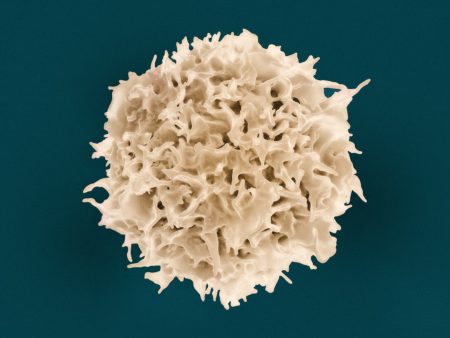
The implant itself is engineered from embryonic stem cells. These are meticulously grown in a laboratory to develop into retinal pigment epithelium (RPE) cells. RPE cells play a vital role in maintaining healthy vision, and their loss directly contributes to visual impairment in AMD.
During an outpatient surgical procedure, surgeons precisely place a thin layer of these lab-grown cells directly into the patient’s retina. Dr. Rodrigo Antonio Brant Fernandes, an ophthalmologist and study surgeon, explained the implant’s function. “The study will explore if the lab-engineered implant will take over for the damaged cells, function as normal RPE cells would, and improve vision.”
Addressing a critical need in vision loss
With roughly 20 million Americans living with age-related macular degeneration, the search for effective treatments is urgent. Dry AMD, the most widespread form, often leads to geographic atrophy. This condition involves severely damaged or non-functional RPE cells.
The current trial targets patients aged 55-90 with advanced dry AMD and geographic atrophy. These individuals are in dire need of therapeutic breakthroughs. Keck Medicine is one of five sites nationwide participating in this masked clinical trial, ensuring rigorous evaluation of the implant’s efficacy.
Participants will be closely monitored for at least one year to assess long-term benefits and safety. This meticulous approach aims to provide robust data on the potential of this stem cell eye implant to transform vision care. For more information on AMD, visit the American Academy of Ophthalmology.
The development of this tiny stem cell eye implant represents a significant leap in ophthalmology. It moves beyond managing symptoms to actively seeking vision restoration. If successful, this trial could fundamentally change the prognosis for millions afflicted by advanced dry macular degeneration, offering a future where lost sight can indeed be regained through innovative regenerative medicine. Learn more about ongoing research at the USC Roski Eye Institute.